
Beautiful Plants For Your Interior
Beautiful Plants For Your Interior
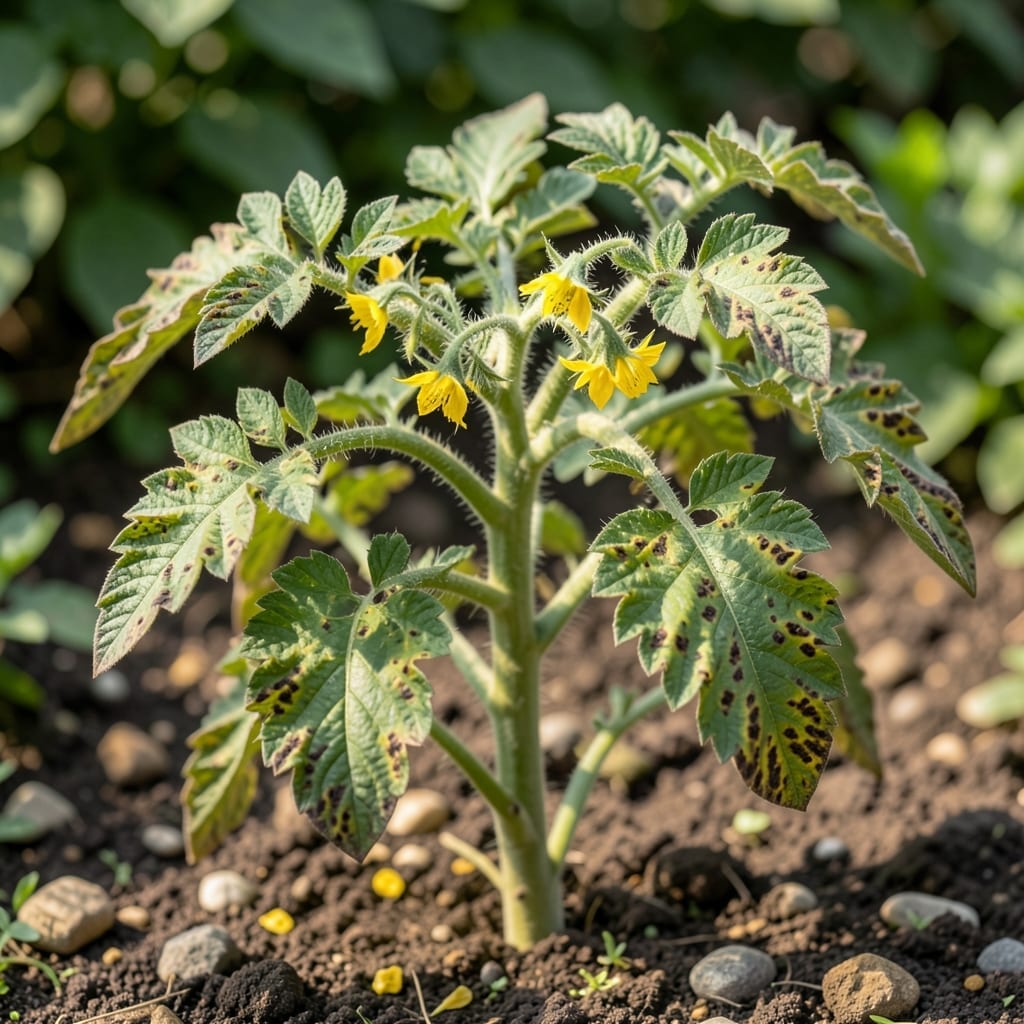
Those brown spots on your tomato leaves aren’t just unsightly—they’re a warning sign. 🌱 I ignored them my first season and lost half my crop to bacterial spot before July even hit.
This sneaky disease spreads fast in wet conditions, leaving dark, water-soaked spots that eventually turn yellow and crisp. The good news? It’s preventable with a few simple habits and treatable with organic sprays if caught early.
You’ll notice healthier plants within 7-10 days of starting treatment, with new growth coming in clean. The key is consistency—remove infected leaves, improve air circulation, and stick to a spraying schedule.
Works for all tomato varieties, whether in-ground or containers. Here’s how to stop it in its tracks.
Tomato leaf bacterial spot is primarily caused by the bacterium Xanthomonas vesicatoria, which thrives under specific environmental and cultural conditions. Understanding these triggers helps in preventing outbreaks and managing existing infections effectively. Below are the key causes broken down for clarity:
The bacterium spreads rapidly in warm (75–85°F / 24–29°C) and humid conditions, especially after heavy rain or overhead irrigation. Water droplets on leaves create ideal entry points for the bacteria through natural openings or wounds. Prolonged leaf wetness (over 6–12 hours) significantly increases infection risk.
Infected seeds or transplant seedlings are a major source of bacterial spot. The pathogen can survive on seed surfaces or within seed tissues, leading to early infections in young plants. Always use certified disease-free seeds and inspect seedlings for dark, water-soaked spots before planting.
Xanthomonas vesicatoria overwinters in plant debris, stakes, or soil. Failing to remove and destroy infected plant material after harvest allows the bacteria to persist. Additionally, reusing contaminated tools, gloves, or irrigation systems can spread the pathogen to healthy plants.
Watering from above wets the foliage, promoting bacterial growth and dispersal. Switch to drip irrigation or soaker hoses to keep leaves dry. If overhead watering is unavoidable, do it early in the day so leaves dry quickly in sunlight.
Some tomato cultivars lack genetic resistance to bacterial spot. Varieties like ‘Bonny Best,’ ‘Early Girl,’ and ‘Roma’ are particularly vulnerable. Opt for resistant hybrids (look for labels like “BS” for bacterial spot resistance) to reduce infection likelihood.
Tackling tomato leaf bacterial spot requires a mix of immediate action and long-term prevention. Here’s a practical, step-by-step guide to addressing each cause and keeping your plants healthy.
If you spot leaves with dark, water-soaked spots or yellow halos, act fast. Prune infected leaves and stems using clean, sharp scissors or pruners. Dip your tools in a 10% bleach solution or rubbing alcohol between cuts to prevent spreading the bacteria. Dispose of the diseased material in a sealed bag—do not compost it.
Copper fungicides or bactericides are highly effective against bacterial spot. Apply a copper-based spray (like Bordeaux mixture) at the first sign of infection, following the label instructions. Reapply every 7–10 days or after heavy rain. For organic gardens, opt for OMRI-listed copper products.
Bacteria thrive in wet, stagnant conditions. Space plants at least 18–24 inches apart to improve airflow. Use stakes or cages to keep foliage off the ground, and water at the base of the plant (not overhead) to reduce moisture on leaves. Watering in the early morning allows leaves to dry quickly.
It can move rapidly in warm, wet conditions. Expect visible new spots within 3-7 days if left untreated, especially after rain or overhead watering. Early intervention is key to stopping its progress.
Yes, if caught early. Remove all spotted leaves immediately, apply copper spray, and improve airflow. Severely infected plants should be pulled and destroyed to protect others.
Direct fruit infection is rare, but severe leaf loss reduces plant vigor and yield. The bacteria can enter through wounds on fruit, causing small, sunken spots. Harvest carefully to avoid damage.