
Beautiful Plants For Your Interior
Beautiful Plants For Your Interior
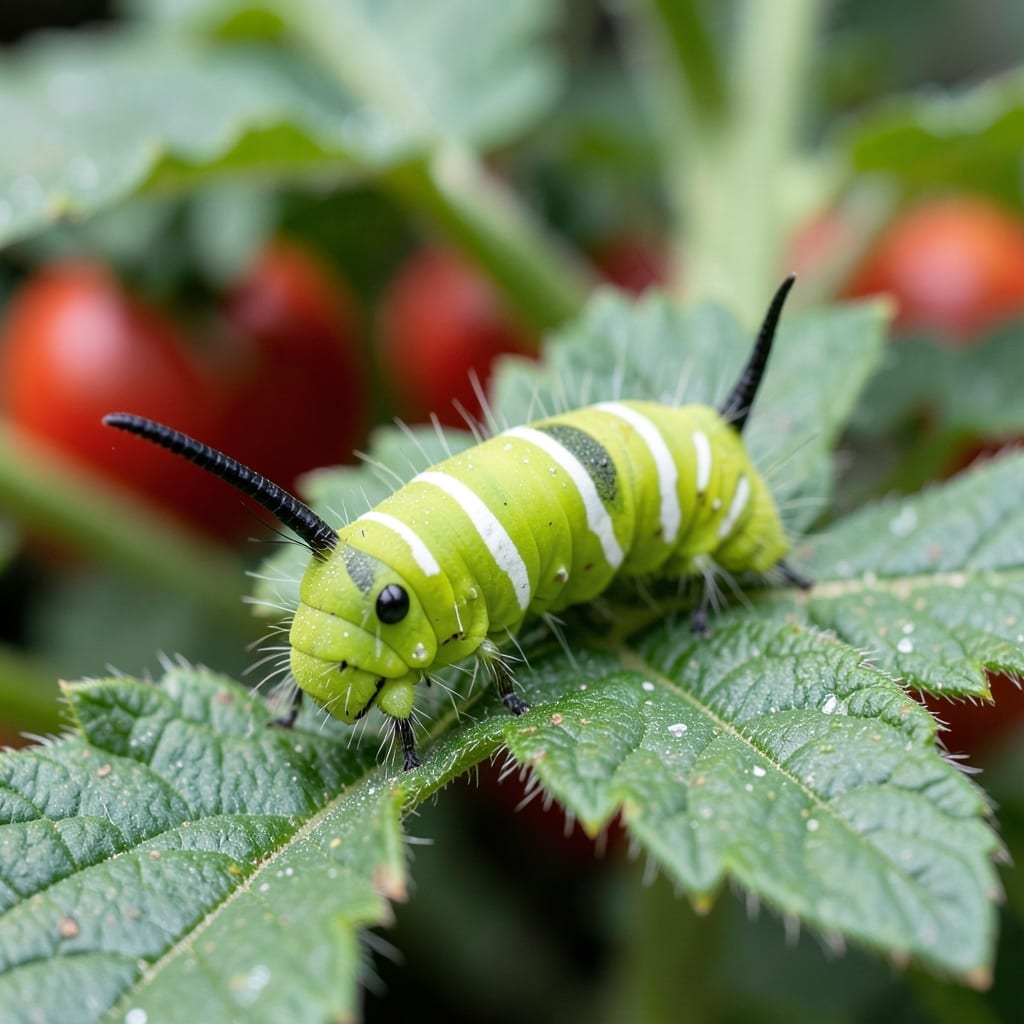
I lost an entire tomato crop to hornworms one summer. Now I know their secret—these pests glow under blacklight at night. 🌱
One sweep with a UV flashlight reveals their neon-green bodies against dark foliage. They feed heavily at night, making this the perfect time to catch them in action. Most gardeners miss them during daylight hours when they blend into plants.
This method is 100% organic and chemical-free. Remove them by hand or drop them in soapy water. Early detection saves your plants before they’re stripped bare.
Works for any tomato variety and scales from small gardens to larger plots. No fancy equipment needed—just a basic blacklight and a nighttime walk through your garden.
Tomato hornworms (Manduca quinquemaculata) exhibit a fascinating reaction under ultraviolet (UV) blacklight, and the science behind it boils down to a few key biological and environmental factors. Here’s why this phenomenon occurs:
The primary reason tomato hornworms fluoresce under blacklight is their diet. These caterpillars consume large quantities of tomato leaves, which contain fluorescent compounds like chlorophyll metabolites and other plant-based pigments. When these compounds are ingested, they accumulate in the hornworm’s body. Under UV light, these proteins absorb the high-energy ultraviolet photons and re-emit them as visible light, creating a glowing effect. The more tomato foliage they consume, the brighter they may appear.
The hornworm’s exoskeleton, or cuticle, plays a role in enhancing this fluorescence. Their cuticle contains lipids and waxes that can reflect and scatter UV light. This structural property amplifies the fluorescent signal from the ingested plant compounds, making the caterpillars more visible under blacklight. The smooth, somewhat translucent nature of their skin further contributes to this effect.
While it might seem counterintuitive, this fluorescence could be an evolutionary byproduct of their natural camouflage. Tomato hornworms are typically green to blend in with their host plants. The same pigments that help them blend in during the day may interact with UV light at night, inadvertently making them stand out under specific conditions. This trait isn’t necessarily advantageous for evading predators but is a side effect of their plant-based diet.
Dealing with tomato hornworms under blacklight can be frustrating, but these targeted solutions will help you regain control of your garden. Below are practical fixes for common issues, paired with prevention tips to keep your plants safe long-term.
If you spot glowing hornworms during a nighttime inspection, handpick them off plants immediately. Drop them into a bucket of soapy water to ensure they don’t return. For larger infestations, use neem oil or Bt (Bacillus thuringiensis) spray at dusk, when hornworms are most active. Prevention tip: 💡 Rotate crops yearly to disrupt their life cycle and reduce future outbreaks.
Hornworms chew through foliage and fruit quickly. To salvage your harvest, prune heavily damaged leaves and remove affected fruit to prevent further spread. Apply organic insecticidal soap to deter remaining pests. Prevention tip: 🎯 Encourage natural predators like parasitic wasps, ladybugs, and birds by planting companion flowers (e.g., marigolds or basil) nearby.
If your blacklight isn’t revealing hornworms, check the bulb’s wavelength—UV-A (365-370 nm) works best. Ensure the area is completely dark for optimal visibility. Move the light slowly and scan plants from multiple angles. Prevention tip: ✨ Inspect plants manually during the day for eggs (tiny, pale green orbs) on the undersides of leaves and remove them before they hatch.
Persistent hornworm problems often stem from overwintering pupae in the soil. Till the soil in late fall and early spring to expose and destroy pupae. Prevention tip: 🌡️ Use row covers early in the season to block adult moths from laying eggs on your plants.
By combining these fixes with proactive prevention, you’ll keep your tomato plants thriving—day and night.
Scan your garden 1-2 hours after sunset for best results. The darker the sky, the more visible their glow. Avoid bright moonlight, which can wash out the fluorescence.
Yes, all tomato hornworms will fluoresce due to their diet. However, smaller caterpillars may be harder to see. Focus on larger leaves where they tend to feed.
No, a standard flashlight won’t work. You need a true UV-A blacklight (365-370 nm wavelength) to trigger the fluorescence. LED blacklights are affordable and effective.
Inspect every 2-3 nights during peak season. Hornworms grow quickly and can defoliate plants in days. Early detection prevents major damage.