
Beautiful Plants For Your Interior
Beautiful Plants For Your Interior
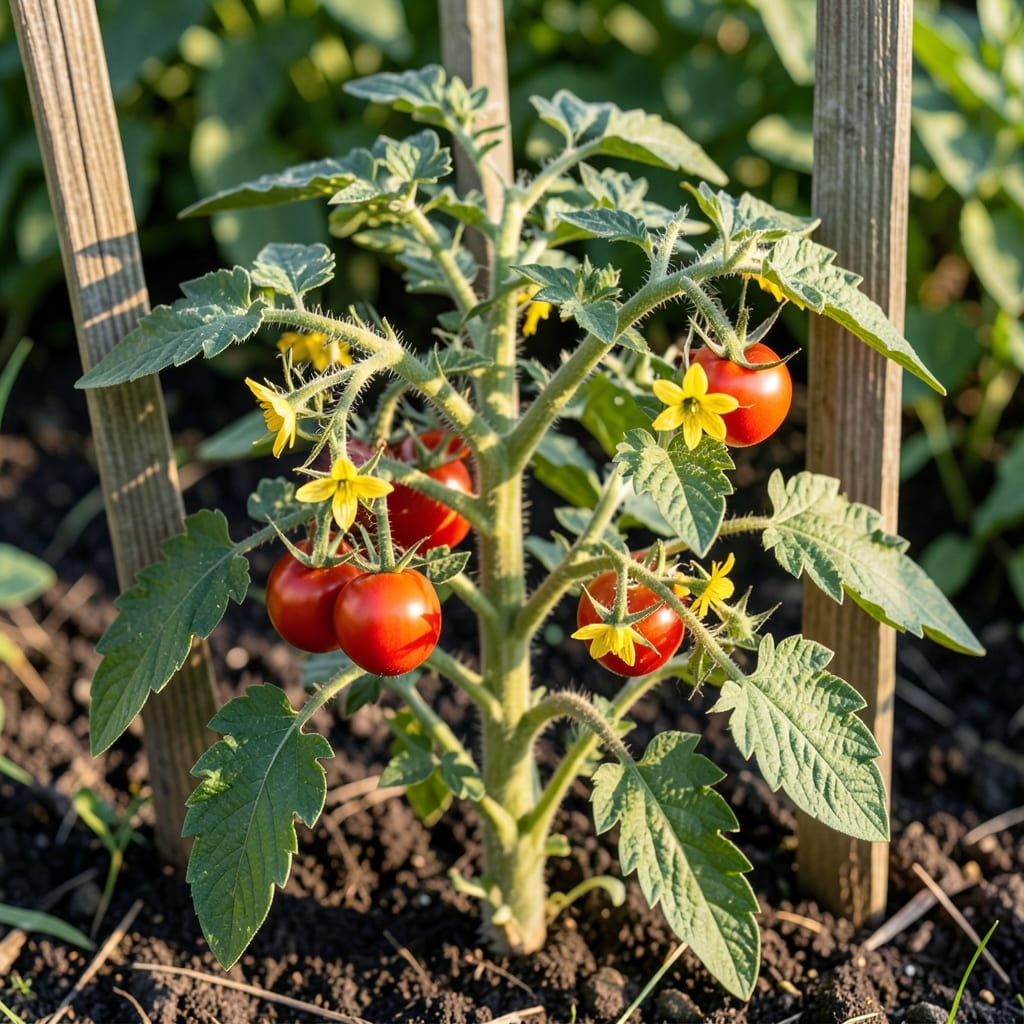
Nothing ruins a perfect tomato harvest like finding split fruits on the vine. I’ve lost entire batches to cracking before realizing it wasn’t just bad luck—it was a nutrient deficiency talking to me.
Tomatoes crack when their growth outpaces their skin’s ability to stretch, often triggered by calcium shortages or uneven watering. The fruit literally bursts at the seams under pressure.
Fix it with consistent moisture and a calcium boost. Eggshells in planting holes or crushed gypsum work wonders. I keep a spray bottle of calcium solution handy for quick rescue missions.
Prevention beats cure. Test your soil, water deeply but regularly, and watch those tomatoes stay smooth all season.
Tomato fruit cracking is a frustrating issue, but it often stems from a few key deficiencies and environmental factors. Here’s why it happens:
One of the most common causes of tomato cracking is a lack of calcium. Calcium is essential for building strong cell walls in tomatoes. When plants don’t get enough, the fruit’s skin weakens, leading to splits as the tomato grows. This deficiency often appears as radial or concentric cracks and is especially common in fast-growing varieties.
Inconsistent watering—either drought followed by sudden heavy watering—can cause tomatoes to grow too quickly. The rapid expansion puts pressure on the fruit’s skin, leading to cracks. Even if calcium is present, fluctuating moisture levels can disrupt its uptake, worsening the problem.
Extreme heat or cold can stress tomato plants, affecting their ability to absorb nutrients like calcium. High temperatures speed up growth, while cold snaps slow it down. These temperature fluctuations create uneven growth patterns, increasing the risk of cracking.
Too much nitrogen in the soil promotes lush foliage but weak fruit. While nitrogen boosts leafy growth, it can lead to imbalanced nutrient uptake, reducing calcium availability for the fruit. This often results in soft-skinned tomatoes prone to splitting.
Addressing these causes—through calcium supplementation, consistent watering, and balanced fertilization—can help prevent cracking and ensure healthier tomatoes.
Tomato fruit cracking often stems from calcium deficiency or uneven growth, but these practical fixes can restore healthy, smooth produce. Address the root causes below to prevent splits and ensure a bountiful harvest.
Add crushed eggshells, gypsum, or lime to the soil before planting to increase calcium levels. For a quick fix, use a calcium-rich foliar spray (like calcium chloride) every 1-2 weeks during fruiting. Avoid over-fertilizing with nitrogen, which can block calcium uptake.
Prevention tip: 💡 Test soil pH—calcium is best absorbed at 6.0–6.8. Adjust with lime if too acidic.
Inconsistent watering causes rapid growth spurts, leading to cracks. Water deeply 1–2 times per week (more in heatwaves) and use mulch (straw or wood chips) to retain soil moisture. Drip irrigation is ideal for steady hydration.
Prevention tip: 🌡️ Water in the early morning to reduce evaporation and fungal risks.
Excessive nitrogen or heatwaves can trigger sudden growth. Reduce high-nitrogen fertilizers and switch to a balanced formula (e.g., 10-10-10). Provide shade cloth during extreme heat to moderate plant stress.
Prevention tip: ✨ Prune suckers (side shoots) to direct energy toward fruit, not foliage.
Some tomato varieties crack more easily. Opt for crack-resistant cultivars like ‘Roma’, ‘San Marzano’, or ‘Mountain Merit’. Check seed packets for disease and crack resistance notes.
Prevention tip: 🎯 Rotate crops yearly to prevent soil depletion and pests.
By tackling these causes head-on, you’ll minimize cracking and enjoy smoother, healthier tomatoes all season long!
Calcium deficiency is the primary culprit. It weakens cell walls, making the fruit unable to stretch properly during rapid growth.
Yes, irregular watering—including overwatering after drought—causes uneven growth. Stick to consistent, deep watering instead.
A calcium-rich foliar spray works within 24-48 hours. For long-term prevention, add eggshells or gypsum to the soil.
No, some are more prone to splitting. Choose crack-resistant varieties like ‘Roma’ or ‘Mountain Merit’ for fewer issues.