
Beautiful Plants For Your Interior
Beautiful Plants For Your Interior
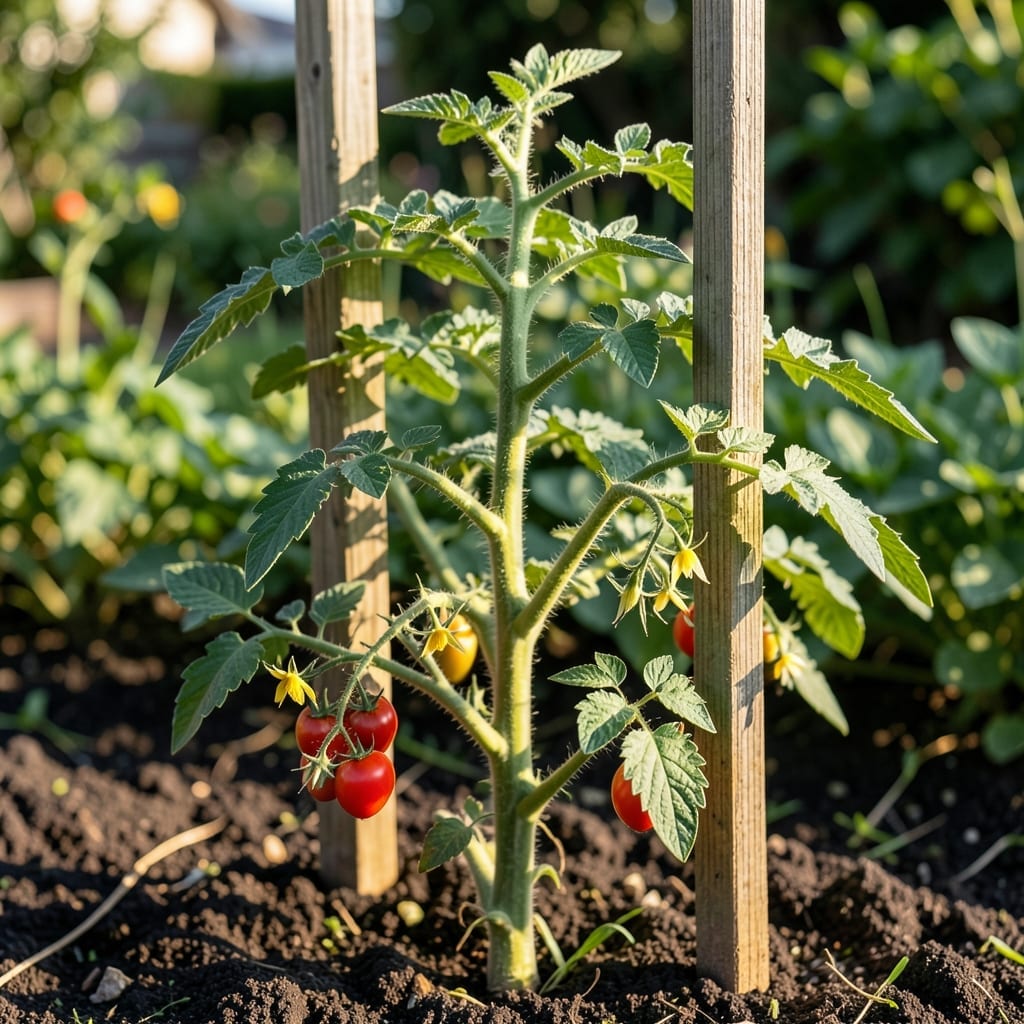
Tomato flowers sometimes need a helping hand to set fruit. I learned this the hard way after watching my plants produce dozens of blooms with zero tomatoes following them.
The problem is simple: tomato pollen is heavy and doesn’t travel easily. On windless days, or in greenhouses, those flowers just sit there waiting. A gentle shake or targeted brush with a paintbrush mimics what wind would do naturally.
Hand-pollinating takes 30 seconds per plant but can double your harvest. The key is timing—do it mid-morning when flowers are most receptive and pollen is plentiful.
Works for all tomato varieties, indoors or out. The payoff is more fruit, earlier in the season, with less frustration.
Tomato flower pollination is a fascinating natural process driven by several key factors. Understanding these triggers can help you optimize your garden for better yields. Here’s why it happens:
Tomatoes are self-pollinating, but they rely heavily on wind to trigger pollen release. The flowers produce pollen inside their anthers, and when wind causes the plant to vibrate, the pollen shakes loose and lands on the stigma. Without sufficient airflow (e.g., in greenhouses or still indoor environments), this step may fail, leading to poor fruit set.
While tomatoes don’t require pollinators like bees, their buzzing can enhance pollination. When bees land on flowers, their wings create vibrations (a process called sonication) that help dislodge pollen. This is especially useful in open-air gardens where wind alone may not be enough.
Optimal pollination occurs in temperatures between 70–85°F (21–29°C). Extreme heat (above 90°F/32°C) or cold (below 55°F/13°C) can cause pollen to become sterile or sticky, preventing transfer. High humidity can also clump pollen, while low humidity dries it out. Balanced conditions ensure pollen remains viable and mobile.
Tomato flowers are designed for self-pollination: their anthers (pollen producers) and stigmas (pollen receptors) are close together. However, the pollen must still be physically released and deposited. If the flower’s structure is damaged (e.g., by pests or rough handling), this process can be disrupted.
By addressing these triggers—whether through better airflow, gentle shaking, or temperature control—you can significantly boost pollination success.
If your tomato flowers aren’t setting fruit, don’t worry—there are simple fixes to get your plants back on track. Below are practical solutions for common pollination problems, along with prevention tips to keep your harvest abundant.
Tomatoes often rely on wind to shake pollen loose. If your plants are in a sheltered spot, gently shake the stems or use a small fan on low to mimic a breeze. For greenhouse growers, open vents to encourage airflow.
Prevention: Space plants 18–24 inches apart to allow natural air circulation.
If bees and other pollinators are scarce, hand-pollinate by using a soft brush or cotton swab to transfer pollen between flowers. Do this mid-morning when pollen is most viable.
Prevention: Plant pollinator-friendly flowers like marigolds or basil nearby to attract bees.
Pollen fails to form or stick in temps below 55°F or above 90°F. Use shade cloth in heatwaves or row covers for cold snaps. For greenhouse plants, regulate temperature with ventilation.
Prevention: Monitor forecasts and adjust protection as needed.
Too much or too little water stresses plants, reducing flower production. Keep soil consistently moist (not soggy) and mulch to retain moisture.
Prevention: Water at the base in the morning and check soil moisture weekly.
Excess nitrogen promotes leafy growth over flowers. Switch to a low-nitrogen, high-phosphorus fertilizer (like 5-10-10) when plants start blooming.
Prevention: Test soil before planting and amend as needed.
With these tweaks, your tomato flowers will thrive—and so will your harvest! 🍅
Mid-morning, between 10 AM and noon, is ideal. Flowers are most receptive and pollen is abundant. Avoid evenings when humidity rises and pollen may clump.
The flower’s petals will close and the ovary at its base will begin swelling within 24-48 hours. If no growth appears after 3 days, pollination likely failed.
Yes, a soft toothbrush works well for transferring pollen. Gently brush the flower’s center to release pollen, then move to other blooms. Clean it between plants to avoid cross-contamination.
Without wind or bees, indoor plants often need manual assistance. Use a small fan on low or hand-pollinate daily for best results.