
Beautiful Plants For Your Interior
Beautiful Plants For Your Interior
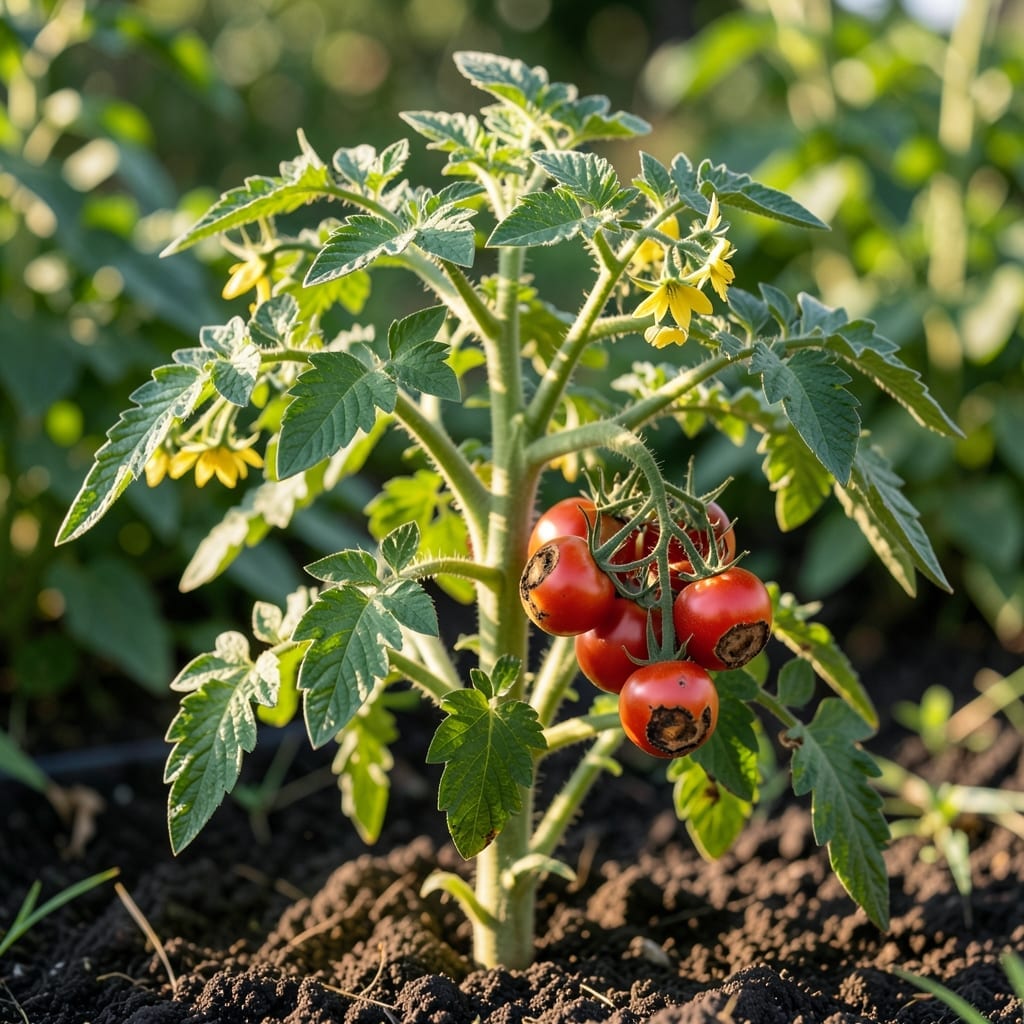
That sunken, leathery patch on your tomato isn’t sunburn. I’ve watched dry rot spread overnight, turning perfect fruit into wrinkled husks before I knew what hit me.
Here’s the thing—it starts small, with barely visible spotting near the stem. By the time you notice the dry, sunken circles, the damage is already done. Most gardeners mistake it for blossom end rot at first glance.
Caught early, you can salvage the plant and protect the rest. The fix involves adjusting your watering rhythm and a few organic tricks that stop the spread in its tracks.
Works for heirlooms, cherry varieties, and even your most stubborn plants. Let’s save this season’s harvest.
Tomato dry rot, also known as Alternaria stem canker, doesn’t appear out of nowhere. It’s often the result of specific environmental and cultural conditions that stress the plant and invite fungal spores to take hold. Below are the primary causes, broken down for clarity and actionable insight.
Prolonged periods of high temperatures (above 85°F/29°C) combined with low soil moisture weaken tomato plants, making them more susceptible to Alternaria alternata, the fungus responsible for dry rot. Drought stress reduces the plant’s ability to produce protective compounds, leaving stems and leaves vulnerable to infection.
Inconsistent watering—either overwatering or underwatering—creates ideal conditions for dry rot. Overwatering leads to root suffocation and poor nutrient uptake, while underwatering stresses the plant. Fluctuating soil moisture is particularly harmful, as it weakens the plant’s defenses and allows fungal spores to germinate.
A deficiency in potassium or calcium compromises cell wall integrity, making it easier for the fungus to penetrate plant tissues. Excessive nitrogen, on the other hand, promotes lush foliage at the expense of structural strength, leaving stems soft and prone to infection. Regular soil testing can help maintain the right balance.
The Alternaria fungus thrives in decaying plant debris and can overwinter in soil or infected seeds. Wind, rain, or even gardening tools can spread spores to healthy plants. Crop rotation and removing infected plant material immediately are critical to breaking the disease cycle.
Poor air circulation due to overcrowding traps moisture around leaves and stems, creating a humid microclimate that encourages fungal growth. Ensure plants are spaced according to their mature size (typically 18–24 inches apart for most tomato varieties) to promote airflow and reduce disease risk.
Tackling tomato dry rot starts with identifying the root cause and applying targeted fixes. Below are practical solutions mapped to common triggers, along with prevention tips to keep your plants thriving.
If soggy soil is the culprit, reduce watering frequency and ensure your tomato beds have proper drainage. Use a moisture meter to check soil dampness—water only when the top inch feels dry. For potted tomatoes, elevate containers and add drainage holes if missing. Prevention tip: 💡 Mulch with straw to retain moisture without waterlogging.
Spotted dry, leathery patches? Act fast: prune infected leaves and stems with sterilized shears (dip in rubbing alcohol between cuts). Dispose of debris far from the garden to avoid reinfection. Apply a copper-based fungicide or organic alternatives like neem oil (mix 2 tbsp per gallon of water) weekly until symptoms fade. Prevention tip: ✨ Space plants 18–24 inches apart for airflow, and water at the base to keep foliage dry.
Dry rot linked to calcium or potassium shortages? Amend soil with crushed eggshells (for calcium) or wood ash (for potassium). For quick fixes, use a balanced organic fertilizer (e.g., 5-5-5 NPK) and water deeply to help roots absorb nutrients. Prevention tip: 🎯 Test soil annually and rotate crops to prevent depletion.
Extreme heat or cold can trigger dry rot. Use shade cloth during heatwaves and row covers for unexpected frosts. Maintain consistent moisture—drip irrigation works best to avoid fluctuations. Prevention tip: 🌡️ Plant heat-tolerant varieties like ‘Celebrity’ or ‘Heatmaster’ if you live in a hot climate.
Act early, stay consistent, and your tomatoes will bounce back stronger! 🍅
Look for sunken, leathery patches near the stem or on fruit. These spots start small and grow into dry, wrinkled circles. Leaves may develop dark concentric rings.
Yes, if caught early. Remove infected parts immediately with sterilized tools. Treat with copper fungicide or neem oil weekly until symptoms disappear.
Space plants 18–24 inches apart for airflow. Water consistently at the base, not leaves. Rotate crops yearly and remove plant debris after harvest.
Yes, prolonged heat above 85°F stresses plants. Combine with drought conditions, and they become vulnerable to fungal infections that cause dry rot.