
Beautiful Plants For Your Interior
Beautiful Plants For Your Interior
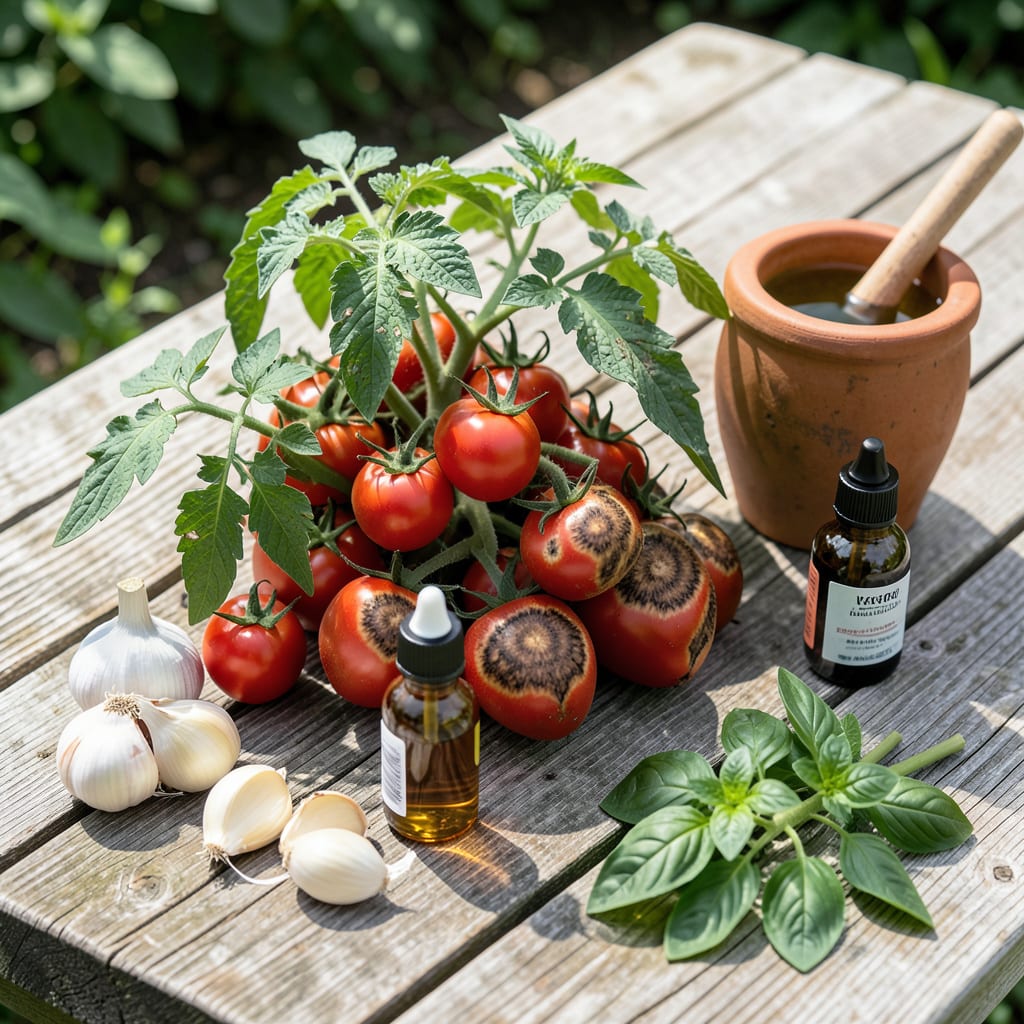
Brown spots spreading on your tomato leaves? I’ve been there—early blight hits fast and can wreck a season if you don’t act. The key is catching it early and hitting it hard with the right approach.
Copper fungicide works, but timing and application matter more than the product itself. I learned this the hard way after losing half my crop one summer. Now I treat at the first sign and rotate with organic options for full-season protection.
You’ll stop the spread within days and save your harvest. The plants bounce back stronger, and you avoid the heartbreak of watching healthy vines turn crispy overnight.
Works for garden beds, containers, and even greenhouse setups. Here’s how to fight back effectively.
Early blight in tomatoes is primarily caused by the fungus Alternaria solani, which thrives in warm, humid conditions. This pathogen overwinters in infected plant debris and soil, ready to attack new crops when conditions are favorable. Understanding the root causes helps in effectively preventing and managing the disease.
The main culprit, Alternaria solani, spreads through spores carried by wind, water, or contaminated tools. These spores germinate on tomato leaves, stems, and fruits, especially when moisture is present. The fungus enters through wounds or natural openings, leading to the characteristic dark, concentric rings on leaves and stems.
Prolonged leaf wetness, often due to overhead irrigation or frequent rain, creates the perfect environment for A. solani to thrive. High humidity (above 90%) and temperatures between 75–85°F (24–29°C) accelerate spore germination and infection. Poor air circulation in dense plantings further exacerbates the problem.
The fungus survives in crop residues left in the field after harvest. If infected plant material isn’t removed, it serves as a source of inoculum for the next growing season. Rotating crops and cleaning garden beds thoroughly can reduce this risk.
Alternaria solani can persist in soil for years, especially in areas with a history of tomato or potato crops (both are solanaceous plants). Contaminated soil or splashing water can transfer spores to healthy plants, initiating new infections.
Overcrowding plants, improper spacing, and lack of pruning restrict airflow, creating a microclimate that favors fungal growth. Additionally, using infected seeds or seedlings introduces the pathogen directly into the garden.
Addressing these causes through sanitation, proper spacing, and moisture management is key to preventing early blight outbreaks.
Early blight can be managed and even reversed with the right approach. Here’s how to tackle each cause and prevent future outbreaks.
Start by pruning affected leaves as soon as you spot brown spots with concentric rings. Use clean, sharp scissors or pruners, and dip them in rubbing alcohol between cuts to avoid spreading the fungus. Dispose of the infected material in the trash—do not compost it. This removes the immediate source of spores and slows the disease’s progress.
Spray a copper fungicide (like copper sulfate or Bordeaux mixture) on the remaining foliage, focusing on the undersides of leaves where spores thrive. Apply in the early morning or late evening to prevent leaf burn. Reapply every 7–10 days or after heavy rain for ongoing protection.
Early blight thrives in damp, crowded conditions. Space plants at least 2–3 feet apart and stake or trellis vining varieties to keep leaves off the ground. Trim excess suckers to increase airflow, and water at the base of the plant (not overhead) to reduce moisture on leaves.
🎯 Pro tip: Start fungicide applications preventatively if you’ve had early blight issues in the past—don’t wait for symptoms to appear!
You’ll see results within 3-5 days of application if caught early. The fungicide stops new spores from germinating but won’t reverse existing damage.
Yes! Neem oil or baking soda spray (1 tbsp per gallon of water) work well for mild cases. Reapply every 5-7 days or after rain.
Seal them in a plastic bag and trash them—never compost. This prevents spores from spreading back to your garden.
It affects tomatoes, potatoes, and peppers most. Keep these plants separated by at least 3 feet to reduce risk.
