
Beautiful Plants For Your Interior
Beautiful Plants For Your Interior
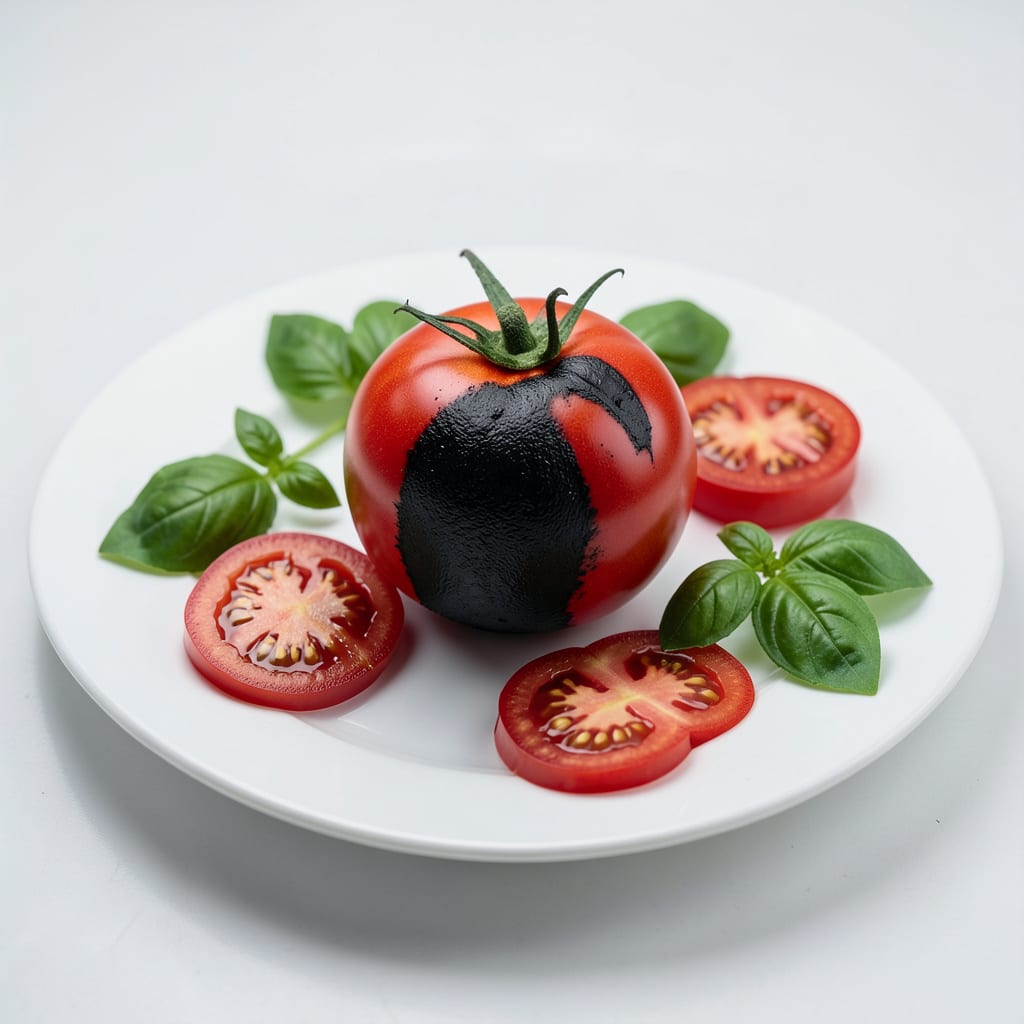
That dark, sunken spot on your tomatoes isn’t rot—it’s your soil screaming for calcium. I’ve lost dozens of perfect fruits to this silent thief before learning the fix.
Blossom end rot hits when plants can’t pull enough calcium from the ground. It’s not a virus or fungus, just a nutrient gap that turns your harvest into compost. The first sign is a small brown patch that spreads fast.
Here’s the thing—most garden soil has enough calcium, but uneven watering or root damage blocks uptake. Fix the watering, adjust the pH, and your tomatoes will thank you with firm, healthy fruit.
Works for heirlooms, cherries, and beefsteaks alike. Let’s save this season’s crop before it’s too late.
Tomato black bottom disease, also known as blossom-end rot, is a frustrating condition that results in dark, sunken lesions on the blossom end of tomato fruits. This issue stems from a few key environmental and physiological factors. Below are the primary causes, broken down for clarity and actionability.
The most common cause is a lack of calcium in the developing fruit. Calcium is essential for cell wall structure, and when supplies are insufficient, the cells at the blossom end collapse, leading to necrosis. This deficiency can occur even if the soil has adequate calcium, as uneven watering or root damage can inhibit uptake.
Fluctuations in soil moisture—drought followed by overwatering—disrupt calcium transport to the fruit. Tomatoes need a steady supply of water to move nutrients from the soil into the plant. Sudden dry spells or waterlogged roots can trigger blossom-end rot, especially during rapid fruit growth.
High temperatures (above 85°F/29°C) or cold snaps can stress plants, reducing their ability to absorb calcium. Heat can also accelerate transpiration, leaving less water available to carry calcium to the fruit. Mulching and shade cloth can help stabilize soil temperature and moisture.
If soil pH is too high (alkaline) or too low (acidic), calcium becomes less available to the roots. Ideal pH for tomatoes is 6.0–6.8. A soil test can confirm imbalances, and amendments like lime (to raise pH) or sulfur (to lower pH) can restore optimal conditions.
Addressing these factors—through regular watering, soil testing, and balanced fertilization—can significantly reduce the risk of black bottom disease.
Dealing with black bottom disease in tomatoes starts with pinpointing the issue and applying targeted fixes. Below are clear, actionable solutions based on the most common causes, along with prevention tips to keep your plants healthy.
If the blackening is due to fungal pathogens like Alternaria or Phytophthora, remove infected fruits and leaves immediately to prevent spread. Apply a copper-based fungicide or a baking soda spray (1 tbsp baking soda + 1 tsp dish soap + 1 gallon of water) every 7–10 days. Improve air circulation by pruning dense foliage and spacing plants properly.
Black bottom often signals blossom end rot, a calcium deficiency. Correct this by adding crushed eggshells or gypsum to the soil. For a quick fix, use a calcium-rich foliar spray (like calcium chloride). Maintain consistent soil moisture—uneven watering disrupts calcium uptake. Mulch with straw to retain moisture.
Overwatering or drought can trigger blackening. Water deeply 1–2 inches per week, preferably in the morning, to allow foliage to dry. Use drip irrigation to avoid wetting leaves. If the soil is waterlogged, improve drainage by amending with compost or sand.
Extreme heat or cold can stress plants. Use shade cloth during heatwaves and row covers for cold snaps. Test soil pH—tomatoes thrive in 6.0–6.8 pH. Adjust with lime (to raise pH) or sulfur (to lower pH) as needed.
Prevention Tips: Rotate crops annually, avoid overhead watering, and sanitize garden tools to reduce disease spread. Start with disease-resistant tomato varieties like ‘Mountain Merit’ or ‘Defiant PhR’ for long-term protection.
No, blossom end rot is not contagious. It’s caused by calcium deficiency, not a pathogen, so it won’t spread from plant to plant like a virus or fungus.
Symptoms can develop in as little as 2-3 days during rapid fruit growth, especially in hot weather. The brown spots start small and expand quickly if conditions don’t improve.
Yes, you can cut off the blackened portion. The rest of the fruit is safe to eat, though the texture may be slightly mealy. Always remove affected areas completely.
Apply a calcium chloride spray directly to leaves for quick absorption. Also, water consistently and add crushed eggshells to soil for long-term prevention.
