
Beautiful Plants For Your Interior
Beautiful Plants For Your Interior
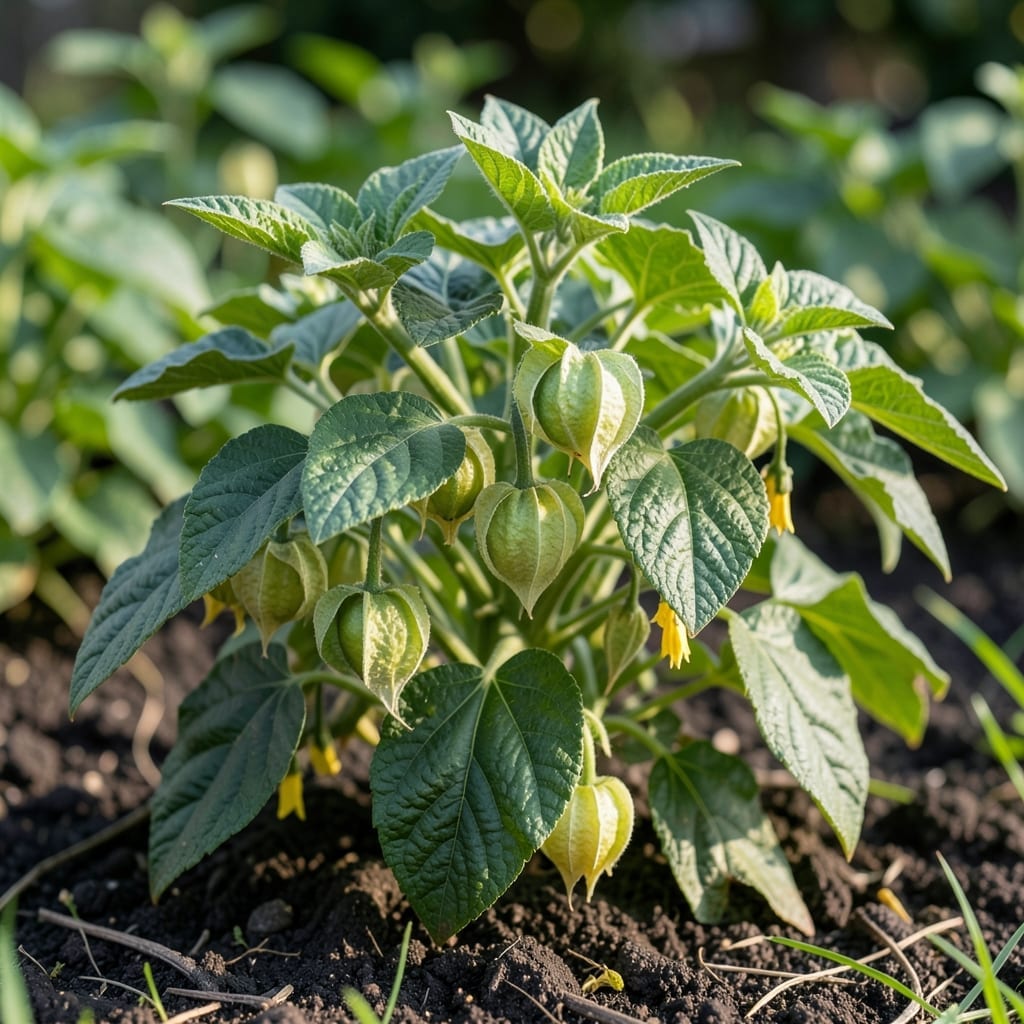
That husky green fruit in your garden might not be what you think. I’ve misidentified tomatillos more times than I care to admit, and each time ended with a surprise in the kitchen. The paper lantern husk is a giveaway, but only if you know what to look for.
The real tomatillo has a sticky, slightly fuzzy husk that splits open as the fruit matures inside. Similar plants like ground cherries or Chinese lanterns wear their husks differently—tighter, smoother, or even orange. The leaves tell a story too: tomatillo foliage is broader and less deeply lobed.
Get this wrong and you might end up with bitter fruit or a plant that spreads aggressively where you don’t want it. I learned to check the stem—tomatillos grow in a papery cup, while look-alikes often don’t.
This guide helps you spot the differences before you invest time and space in the wrong plant.
Identifying a tomatillo look alike can be tricky, but there are clear reasons why these mix-ups happen. Here’s a breakdown of the scientific and environmental factors at play:
Tomatillos (Physalis ixocarpa) belong to the Solanaceae family, sharing genetic traits with other nightshades like ground cherries (Physalis peruviana) and cape gooseberries. Their close taxonomic relationship leads to overlapping features such as the papery husk and similar fruit structure, making visual differentiation challenging.
Many tomatillo doppelgängers thrive in the same warm, tropical, or subtropical climates as tomatillos. For example, ground cherries and husk cherries often grow in identical conditions, leading to co-cultivation or wild intermingling. This geographical overlap increases the likelihood of misidentification, especially for foragers or gardeners unfamiliar with subtle distinctions.
The foliage of tomatillos and their look alikes often exhibits comparable shapes, sizes, and even textures. Both may have broad, slightly hairy leaves and a similar growth habit. Without examining the fruit or flowers closely, it’s easy to assume they’re the same plant—especially in early growth stages.
Several Physalis species produce small, yellow, bell-shaped flowers that are nearly indistinguishable to the untrained eye. The fruits, too, can appear identical at a glance: green or yellow when unripe, encased in a lantern-like husk. These shared traits are evolutionary adaptations for pollination and seed dispersal, but they complicate human identification efforts.
Identifying a tomatillo look-alike can be tricky, but these practical solutions will help you distinguish the real deal from its doppelgängers. Below, we break down the most common mix-ups and how to fix them—plus tips to avoid confusion next time.
Issue: Ground cherries (Physalis species) share the same papery husk as tomatillos, making them easy to confuse.
Fix: Check the size and color. Tomatillos are typically larger, bright green or purple, and firm when ripe. Ground cherries are smaller, yellow or orange when ripe, and softer to the touch. Prevention tip: 💡 Grow both side by side to train your eye—you’ll spot the differences faster!
Issue: Unripe tomatoes can resemble tomatillos in color and texture.
Fix: Look for the husk! Tomatillos always grow inside a papery, lantern-like covering. Green tomatoes hang bare on the vine. Prevention tip: ✨ If you’re foraging, remember: no husk = not a tomatillo.
Issue: The husks of Chinese lantern plants (also Physalis) are nearly identical to tomatillos’, but the fruit inside is inedible.
Fix: Squeeze gently. Tomatillos feel dense and juicy through the husk, while Chinese lantern fruit is spongy and dry. Prevention tip: 🎯 Stick to trusted sources or grow your own tomatillos to eliminate guesswork.
Bonus: When in doubt, cut it open! Tomatillos have a sticky, seed-filled interior—look-alikes often don’t.
Check the husk and color. Tomatillos have a dry, papery husk that splits open, revealing a bright green or purple fruit. Ground cherries stay fully enclosed in a tighter husk and turn yellow or orange when ripe.
No, some like Chinese lantern plants have inedible or even toxic fruit. Always verify the species first. When in doubt, cut it open—tomatillos have a sticky, seed-filled center.
Yes, but keep them separate to avoid cross-pollination. Both thrive in similar conditions, but tomatillos need more space. Use labels to track which is which as they grow.