
Beautiful Plants For Your Interior
Beautiful Plants For Your Interior
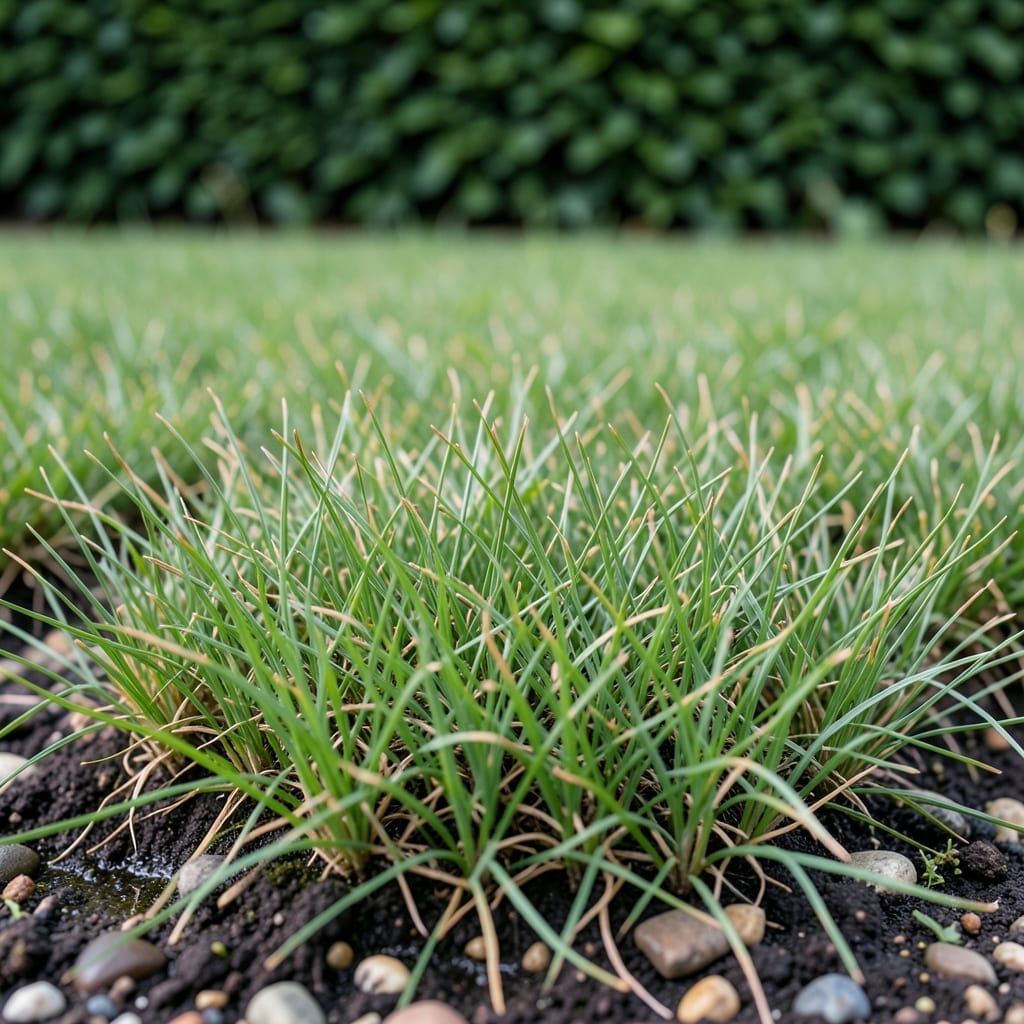
Seeing brown tips on your lawn hits different. I’ve stared at my own patch wondering if it was drought, disease, or just bad luck causing the damage.
Turns out, the usual suspects are simpler than you’d think. Most cases come down to watering habits, mower height, or a nutrient imbalance that’s easy to fix.
With the right adjustments, those crispy edges turn vibrant green again in 2-3 weeks. The key is identifying the cause before treating the symptoms.
Works for cool-season and warm-season grasses alike. Here’s how to diagnose and revive your turf.
Brown tips on grass often signal underlying stress. Here are the most common causes, explained with actionable insights:
High temperatures and insufficient water disrupt photosynthesis and nutrient uptake. Grass blades lose moisture faster than roots can replenish it, leading to necrosis (tissue death) at the tips. Fix it: Water deeply (1–1.5 inches weekly) in early morning to reduce evaporation.
Excess water suffocates roots, preventing oxygen absorption. This triggers root rot and fungal diseases (e.g., Pythium or Rhizoctonia), which manifest as brown tips. Fix it: Ensure soil drains well; water only when the top 2–3 inches of soil are dry.
Over-fertilizing (especially with nitrogen-heavy products) or de-icing salts in winter cause osmotic stress. Salt draws moisture out of grass cells, dehydrating the tips. Fix it: Flush soil with water to leach excess salts; use slow-release fertilizers.
Pathogens like Dollar Spot or Leaf Spot thrive in humid, wet conditions. They infect grass blades, creating brown lesions at the tips. Fix it: Reduce evening watering, improve airflow, and apply fungicide if severe.
Compacted soil restricts root growth, limiting access to water and nutrients (e.g., potassium or iron). Deficiencies often appear as browning tips. Fix it: Aerate lawns annually; test soil and amend with missing nutrients.
Brown tips on your grass can be frustrating, but with the right approach, your lawn can bounce back. Below are targeted solutions for common causes, along with prevention tips to keep your grass lush and green.
If drought or shallow watering is the culprit, switch to deep, infrequent watering. Aim for 1–1.5 inches of water per week, including rainfall, applied in 2–3 sessions. Water early in the morning to reduce evaporation. Prevention tip: Invest in a rain gauge to track moisture levels accurately. 💡
Soggy soil suffocates roots and invites disease. Reduce watering frequency and ensure your lawn has proper drainage. For compacted soil, aerate the lawn using a core aerator to improve airflow and water absorption. Prevention tip: Test drainage by digging a small hole—if water pools for hours, your soil needs amending. ✨
Over-fertilizing or spilling chemicals (like herbicides) can scorch grass tips. Rinse the area thoroughly with water to dilute residuals. If the damage is severe, remove the affected patches and reseed. Prevention tip: Always follow product instructions and apply fertilizers evenly. Use a spreader for precision. 🎯
Brown tips with a ring-like pattern or slimy texture often signal fungal issues. Apply a lawn-safe fungicide and improve airflow by mowing higher (3–4 inches) and avoiding evening watering. Prevention tip: Bag grass clippings if disease is present to prevent spreading. 🌡️
Grubs, chinch bugs, or other pests can stress grass, leading to browning. Inspect the soil—if you find pests, apply an appropriate insecticide or natural treatment like nematodes. Prevention tip: Encourage beneficial insects (e.g., ladybugs) and maintain a healthy lawn to deter pests naturally. 🔥
Yellow-brown tips may indicate a lack of nitrogen, potassium, or iron. Conduct a soil test to identify deficiencies, then amend with the right fertilizer or organic matter (e.g., compost). Prevention tip: Feed your lawn seasonally—spring and fall are ideal for most grasses. 📊
Water deeply 2-3 times per week with 1-1.5 inches total, including rain. Early morning is best to reduce evaporation and fungal risks.
Yes, if the roots remain healthy. New growth will replace dead tips in 2-3 weeks with proper care. Severe damage may require reseeding.
Fungal brown tips often have dark rings or slimy texture. Drought causes uniform crispiness. Test by checking soil moisture 2-3 inches deep.
Set your mower to 3-4 inches for most grasses. Taller blades shade roots, retain moisture, and resist disease better.