
Beautiful Plants For Your Interior
Beautiful Plants For Your Interior
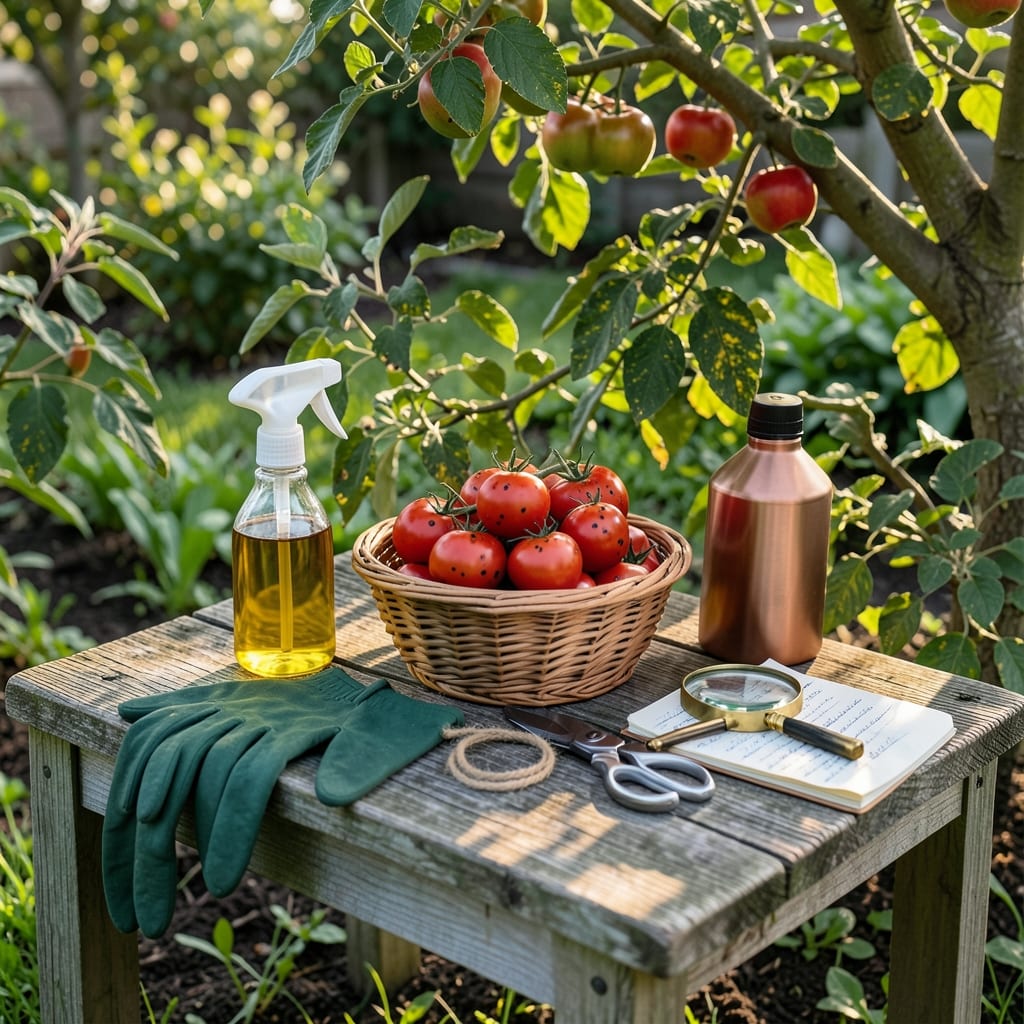
Those tiny spots on your tomato leaves aren’t just annoying—they’re a warning sign. I’ve lost entire plants to early blight by ignoring the first speckles.
Catch them early and you can save your crop. 30 seconds of daily inspection beats weeks of damage control. Here’s how to spot trouble before it spreads.
Short list. Stops tomato spots before they spread. Most items are garden staples.
| Ingredient | Amount | Notes |
|---|---|---|
| Neem Oil 💧 | 1 quart | Cold-pressed for fungicide |
| Copper Fungicide 🧪 | 1 quart | Liquid concentrate form |
| Pruning Shears ✂️ | 1 piece | Disinfect between cuts |
| Garden Gloves 🧤 | 1 piece | Nitrile for chemical protection |
| Spray Bottle 💦 | 1 piece | Adjustable nozzle preferred |
| Magnifying Glass 🔍 | 1 piece | For early spot detection |
| Row Cover Fabric 📋 | 1 piece | Lightweight breathable type |
| Compost 🌾 | 1 gallon | Well-aged for soil health |
| Tomato Cages 🔧 | 1 piece | Improves air circulation |
[recipeingredientscaler]
Neem oil and copper fungicide are your best defenses against fungal spots. Garden centers like Home Depot or Lowe’s carry both—look for liquid concentrates (the ready-to-use sprays cost more per ounce). I grab the Bonide brand for copper fungicide; it’s reliable and widely available.
No neem oil? Baking soda spray (1 tbsp per gallon of water) works in a pinch for early cases. Pruning shears must be sharp—dull blades tear stems, inviting infection. Row covers prevent spores from spreading but remove them during flowering (or bees can’t pollinate).
Store fungicides in a cool, dry shed—heat degrades their effectiveness. Keep pruning shears clean with rubbing alcohol between uses. I label my fungicide bottles with purchase dates; they lose potency after 2-3 years.
Here’s the method I use to catch and treat issues before they spread.
Grab your magnifying glass and examine the leaves, stems, and fruit closely. Tiny spots often start as pinpricks or slight discolorations that are easy to miss. I check my plants every 2-3 days during warm, humid weather when fungal issues are most likely to appear.
Look for patterns—are the spots on the upper leaves, lower leaves, or fruit? Are they raised, sunken, or flat? This tells you whether you’re dealing with a fungal, bacterial, or environmental issue. Early detection means you can act before the problem spreads to nearby plants.
Put on your garden gloves and use the pruning shears to remove any leaves, stems, or fruit showing spots. Disinfect the shears between cuts with a quick wipe of rubbing alcohol to prevent spreading pathogens. I always bag the infected material and dispose of it in the trash—not the compost pile.
If the plant is heavily infested, consider removing it entirely to protect the rest of your garden. For milder cases, isolate the plant by covering it with the row cover fabric to prevent spores from spreading via wind or splashing water.
Mix 1 quart neem oil with water in the spray bottle according to the product instructions, usually about 2 tablespoons per gallon of water. Shake well and spray the entire plant, focusing on the undersides of leaves where fungal spores often hide. I apply this in the early morning or late evening to avoid burning the leaves in the sun.
For more stubborn issues, use the 1 quart copper fungicide instead, following the same application method. Reapply every 7-10 days or after rain, as water can wash away the protective coating. Always wear your gloves when handling these treatments.
Work the 1 gallon compost into the soil around the base of your plants to boost their natural defenses. Healthy plants are better equipped to resist diseases. I also ensure my plants are properly staked or supported with the tomato cages to keep leaves off the ground, which reduces the risk of soil-borne diseases splashing onto the foliage.
Space plants at least 18-24 inches apart to improve airflow and reduce humidity around the leaves. If your garden is crowded, consider thinning some plants. Good air circulation is one of the simplest yet most effective ways to prevent fungal spots from forming.
Pairing dishes with tomatoes that have tiny spots can still be delicious! Try grilling them with a side of garlic butter asparagus or a fresh Caprese salad. The smoky flavor of grilled tomatoes complements the crispness of asparagus, while the creamy mozzarella in Caprese balances any bitterness from the spots. 🥘
A light Pinot Grigio or a sparkling lemonade works wonders. The acidity in white wine cuts through the tomato’s natural sweetness, while lemonade’s citrus notes brighten up the meal. For a non-alcoholic twist, try iced herbal tea. 🍋
Enhance the taste with bold flavors like basil, balsamic glaze, or feta cheese. Basil adds freshness, balsamic glaze brings a tangy depth, and feta’s saltiness contrasts nicely. These pairings mask minor imperfections while elevating the dish. ✨
