
Beautiful Plants For Your Interior
Beautiful Plants For Your Interior
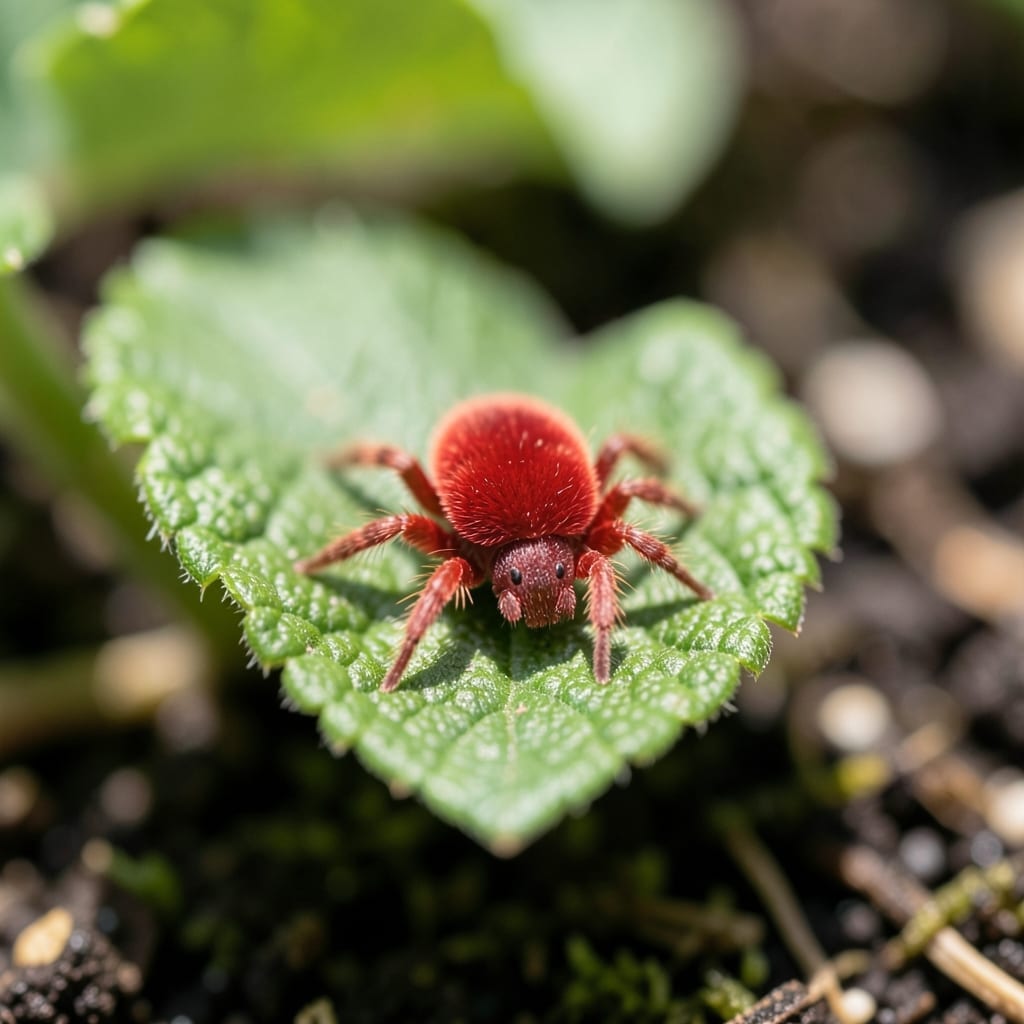
Those bright red dots in your garden soil aren’t bugs—they’re beneficial predators. 🌱 I first spotted these tiny red velvet mites last summer and nearly panicked, mistaking them for pests attacking my plants.
Turns out these 1/20-inch creatures are nature’s pest control, feeding on insects and eggs that harm your garden. They’re harmless to plants and humans, moving slowly through soil like living jewelry.
You’ll find them most active in warm, humid weather when they’re hunting down thrips, aphids, and other true garden menaces. Their presence means your soil ecosystem is healthy and balanced.
No action needed—just admire these garden allies doing their work. They disappear when temperatures drop, only to return when spring warms the soil again.
The tiny red velvet mite, Trombidium spp., thrives in specific environmental conditions. Understanding these triggers helps manage their outbreaks effectively. Below are the primary causes behind their emergence.
These mites flourish in warm, moist environments. Temperatures between 70–90°F (21–32°C) and high humidity (60% or above) create ideal breeding grounds. They’re most active in late summer and early fall, when conditions align with their life cycle. Reducing excess moisture in gardens or lawns can deter their populations.
Dense grass, leaf litter, and thick mulch provide shelter and food sources for velvet mites. They feed on small insects, eggs, and organic debris, which are abundant in undisturbed areas. Regularly mowing lawns, raking leaves, and thinning mulch removes their habitats and limits their spread.
In balanced ecosystems, predators like ground beetles, spiders, and birds keep velvet mite numbers in check. However, excessive pesticide use can eliminate these natural controls, allowing mite populations to surge. Encouraging biodiversity with native plants and reduced chemical interventions restores this balance.
Overwatering lawns or gardens boosts humidity at soil level, attracting velvet mites. They lay eggs in damp soil, and larvae thrive in these conditions. Adjusting watering schedules to allow soil to dry between sessions can make the environment less hospitable for them.
When these bright red critters appear in your garden or home, quick and targeted action is key. Below are practical fixes for common scenarios, along with prevention tips to keep them from returning.
Fix: Introduce natural predators like ground beetles or use diatomaceous earth (food-grade) around affected plants. Lightly till the soil to expose mites to sunlight and drying conditions.
Prevention: Avoid overwatering and remove leaf litter or mulch where they thrive. Rotate crops annually to disrupt their life cycle.
Fix: Vacuum them up immediately (dispose of the bag outside). For stubborn clusters, wipe surfaces with soapy water or a neem oil solution (1 tsp oil + 1 quart water + a few drops of dish soap).
Prevention: Seal cracks in windows/doors and reduce humidity with dehumidifiers. Store firewood and organic debris far from your home.
Fix: Bathe pets with a mild oatmeal shampoo to remove hitchhiking mites. Wash their bedding in hot water (130°F+).
Prevention: Regularly groom pets, especially after outdoor play. Keep yards trimmed and treat outdoor pet areas with beneficial nematodes.
💡 Pro Tip: Tiny red velvet mites are harmless to humans and pets—they’re even beneficial in gardens by eating pest insects! Focus on relocation (e.g., gently brushing them onto plants) rather than extermination when possible.
No, they’re completely harmless to both. These mites are beneficial predators that feed on pest insects and eggs in soil.
They gather in warm, humid conditions, especially in late summer. These clusters help them find mates and food sources more efficiently.
Rarely. They prefer outdoor soil but may wander inside on pets or through open doors. Reduce humidity and seal entry points to discourage them.
Avoid pesticides and maintain organic mulch. These mites thrive in biodiverse, chemical-free environments with abundant leaf litter.