
Beautiful Plants For Your Interior
Beautiful Plants For Your Interior
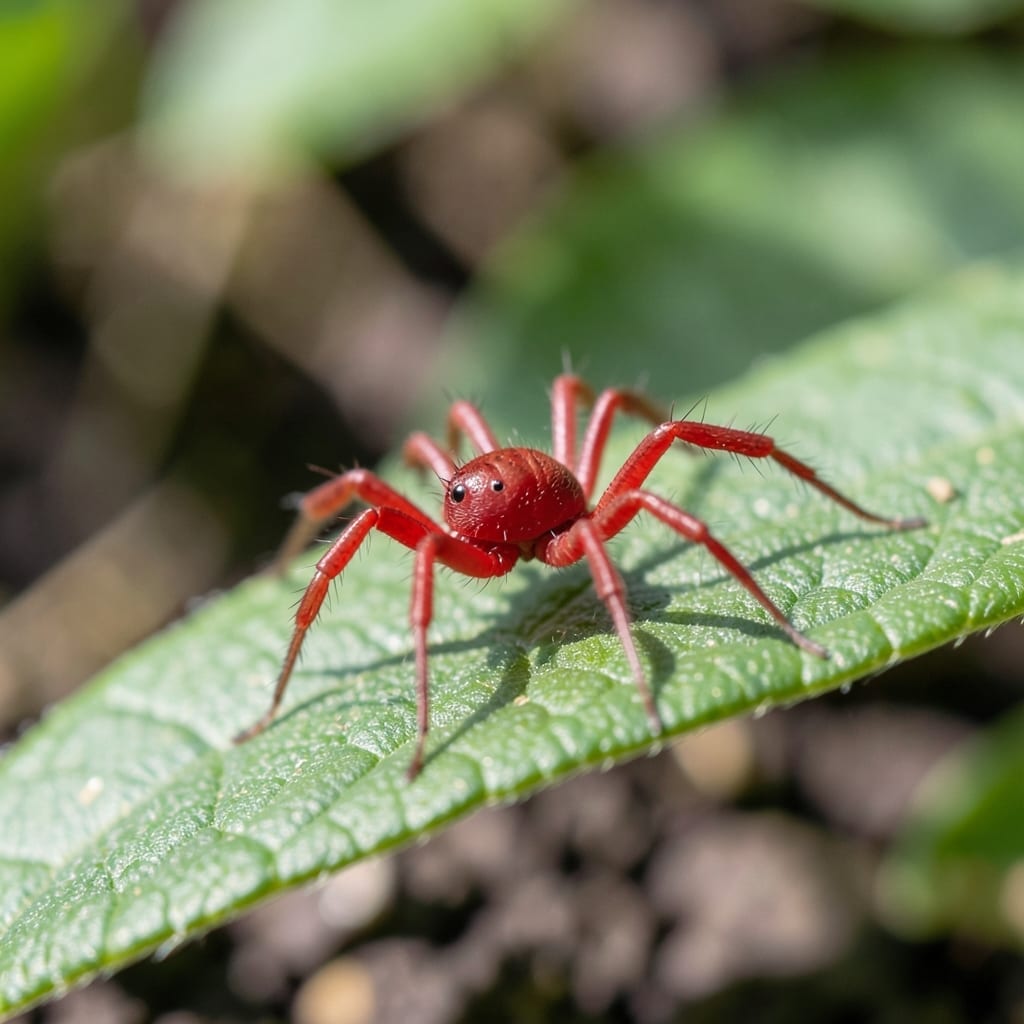
Those barely visible specks on your leaves aren’t dirt. I spotted them last summer—tiny red dots moving like pepper flakes come alive. They’re spider mites, and they multiply faster than you’d believe possible.
They love dry, hot weather and target the undersides of leaves, leaving yellow stippling that looks like sunburn. My zucchini went from healthy to crispy in 48 hours before I caught them. They’ll hit tomatoes, peppers, and most houseplants too.
Here’s the thing—you can stop them without chemicals. A strong blast of water dislodges adults and eggs, and neem oil smothers what’s left. Ladybugs and lacewings will clean up the rest if you give them a chance.
Left unchecked, they’ll web entire plants and jump to neighbors. Check daily during heat waves—early action saves your garden.
Tiny red spiders, often clover mites or red spider mites, show up outside for a few key scientific reasons. Here’s what’s drawing them to your yard or garden:
These mites thrive in lush, overgrown areas where plants provide abundant food (like sap from grass, clover, or shrubs) and shelter. Dense foliage traps moisture and warmth, creating an ideal microhabitat. Action: Thin out thick vegetation and remove weeds to disrupt their ecosystem.
Red mites are attracted to damp environments, especially after rain or in poorly drained soil. Excess moisture accelerates their reproduction cycle. Action: Improve drainage with gravel or mulch, and avoid overwatering lawns.
In spring and fall, mild temperatures (60–80°F) trigger their activity. They migrate toward warmth, which is why they often cluster on sunny walls or patios. Action: Seal cracks in foundations or siding to block entry points during seasonal shifts.
Without natural predators (like ladybugs or lacewings), their populations explode. Pesticides can worsen this by killing off their enemies first. Action: Introduce beneficial insects or use neem oil (a mite-specific deterrent) to restore balance.
Addressing these triggers will significantly reduce their presence—no fancy equipment required!
Dealing with tiny red spiders outside starts with targeted action. Below are practical fixes for common causes, along with prevention tips to keep them from returning.
Spiders thrive in dense plants. Use pruners to trim bushes, trees, and tall grass near your home. Keep a 2-foot clearing between landscaping and your foundation. This reduces hiding spots and forces spiders to seek shelter elsewhere.
Prevention tip: 💡 Mulch with cedar chips—spiders dislike the scent.
Inspect your home’s exterior for cracks in siding, gaps around windows, or holes in screens. Use caulk for small cracks and weatherstripping for doors/windows. For larger gaps, apply expanding foam.
Prevention tip: 🎯 Check seals annually, especially before spider season (spring/fall).
Fix leaky outdoor faucets, ensure downspouts direct water away from your home, and remove standing water in plant saucers or clogged gutters. Consider a dehumidifier in crawl spaces if dampness is persistent.
Prevention tip: 🌡️ Store firewood 20+ feet from your house and elevate it off the ground.
Clear leaf litter, woodpiles, and stored items (like old pots or toys) from your yard. These are prime breeding grounds. Store firewood in sealed containers and keep trash bins tightly closed.
Prevention tip: ✨ Schedule a monthly yard cleanup to stay ahead of clutter.
For visible clusters, mix 1 tbsp dish soap + 1 quart water and spray directly on spiders (it breaks down their exoskeletons). For a stronger option, use neem oil (follow label instructions). Avoid chemical pesticides—they can harm beneficial insects.
Prevention tip: 🔥 Reapply natural sprays after rain or every 2 weeks.
No, they don’t bite humans or transmit diseases. They’re primarily a nuisance for plants, causing damage by feeding on sap. You might see them as tiny red dots crawling on surfaces
Warm, dry conditions trigger rapid reproduction. A single female can lay hundreds of eggs in 1-2 weeks, leading to visible infestations almost overnight. Regular yard checks help catch them early
Yes, they often hitchhike indoors on clothing or pets. Isolate affected plants and treat with neem oil or insecticidal soap. Keep indoor humidity low to discourage them