
Beautiful Plants For Your Interior
Beautiful Plants For Your Interior
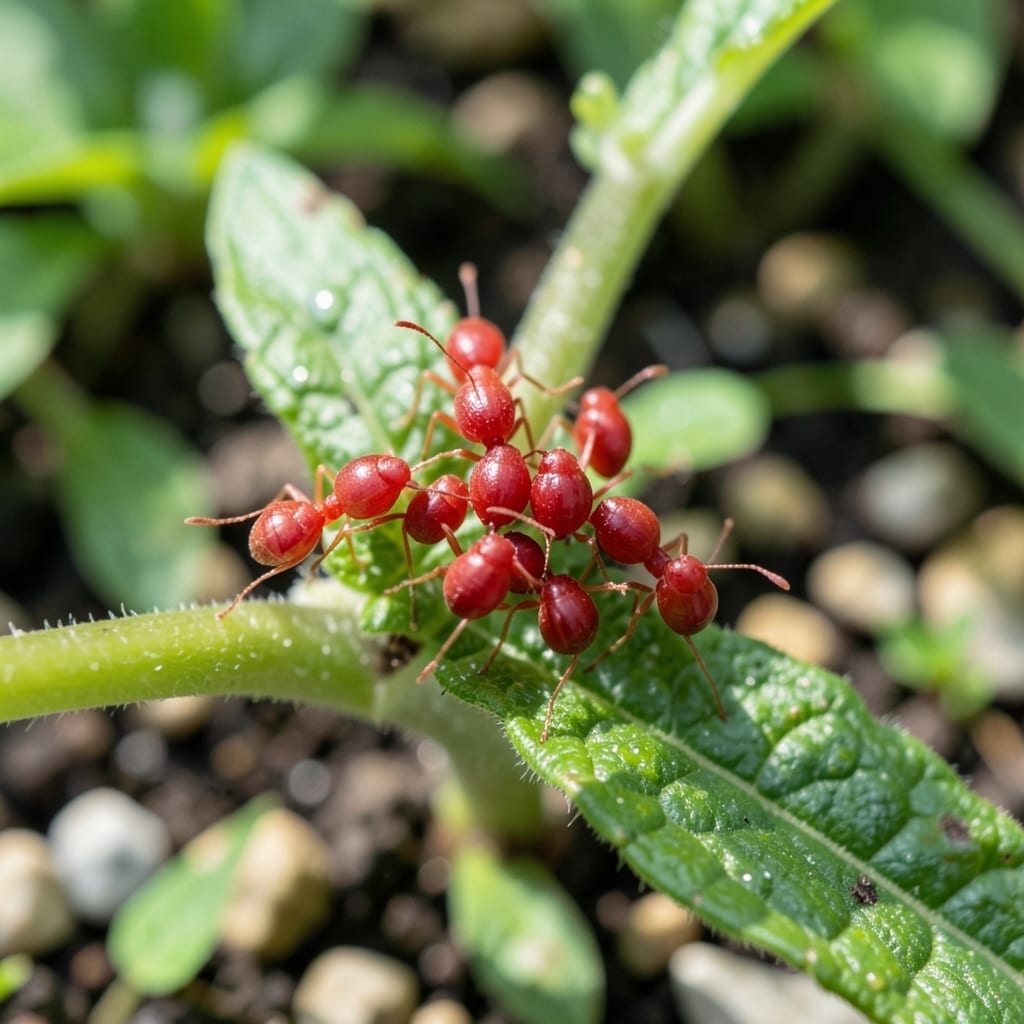
I spotted those tiny red bugs crawling on my bean leaves last summer. Turns out they were clover mites, and they multiply fast in cool, damp conditions. They don’t bite humans but can overwhelm plants in 24-48 hours if ignored.
Here’s the thing—they’re drawn to lush, over-fertilized growth. I learned that reducing nitrogen-heavy fertilizers makes your garden less inviting. A strong blast from the hose knocks them off immediately, but that’s just the first step.
For organic control, insecticidal soap or neem oil works wonders. Apply at dusk when they’re most active, and repeat every 5-7 days until they’re gone. Prevention is simpler than you’d think.
Keep your garden clean, avoid overwatering, and inspect plants regularly. These pests thrive in messy, damp spaces, so tidiness is your best defense.
Tiny red bugs in your garden often appear due to specific environmental or biological triggers. Understanding these causes helps you address the root of the problem effectively.
Many red garden pests, like clover mites or spider mites, thrive in damp conditions. Overwatering creates a humid microclimate that accelerates their reproduction. These bugs are drawn to moist soil and decomposing plant matter, which provide ideal breeding grounds. Action: Adjust your watering schedule and ensure proper drainage to disrupt their lifecycle.
Stressed plants release chemical signals that attract pests, including red mites and aphids. Drought, nutrient deficiencies, or physical damage weaken plants, making them more susceptible to infestations. Action: Strengthen plant health with balanced fertilization and consistent care to reduce vulnerability.
Spider mites and other tiny red bugs proliferate in hot, dry conditions. These pests reproduce rapidly when temperatures rise above 80°F (27°C) and humidity drops. Action: Use shade cloths or mist plants during heatwaves to deter their spread.
Beneficial insects like ladybugs and lacewings keep red bug populations in check. If your garden lacks biodiversity, pests multiply unchecked. Action: Introduce predator insects or plant companion flowers (e.g., marigolds) to restore balance.
Decaying leaves, grass clippings, or mulch harbor tiny red bugs, especially chiggers or thrips. These materials provide food and shelter. Action: Regularly clear garden debris and maintain clean growing areas.
Dealing with tiny red bugs in your garden doesn’t have to mean reaching for harsh chemicals. Here’s how to tackle the most common causes and keep your garden thriving naturally.
If aphids are the culprits, a strong spray of water from your hose can knock them off plants. Do this early in the day so leaves dry quickly. For stubborn cases, mix a soapy water solution (1 tsp mild dish soap per liter of water) and spray directly on the bugs. The soap breaks down their protective coating, dehydrating them.
These tiny red pests thrive in dry conditions. Combat them by mist your plants regularly or placing a tray of water near the affected area to increase humidity. Neem oil is another great fix—mix 2 tbsp with a gallon of water and spray weekly until they’re gone.
Clover mites often invade from nearby grass. Trim vegetation touching your garden and create a barrier of diatomaceous earth around plant beds. This powdery substance dehydrates mites on contact. Reapply after rain.
With these simple, non-toxic solutions, you can protect your garden without harming the ecosystem. ✨
Yes, many tiny red pests like spider mites and aphids can damage plants by sucking sap from leaves. This can cause yellowing, curling, or even plant death if left untreated. Act quickly to prevent widespread damage.
Most garden varieties like clover mites don’t bite, but some, like chiggers, can cause itchy red welts. Always wear gloves when handling infested plants to avoid skin contact.
A strong blast of water from a hose can immediately knock off many pests. For stubborn infestations, apply insecticidal soap or neem oil at dusk for best results. Repeat every 5-7 days as needed.
Reduce moisture by fixing leaks, clear plant debris, and introduce beneficial insects like ladybugs. These steps create an unfavorable environment for pests.