
Beautiful Plants For Your Interior
Beautiful Plants For Your Interior
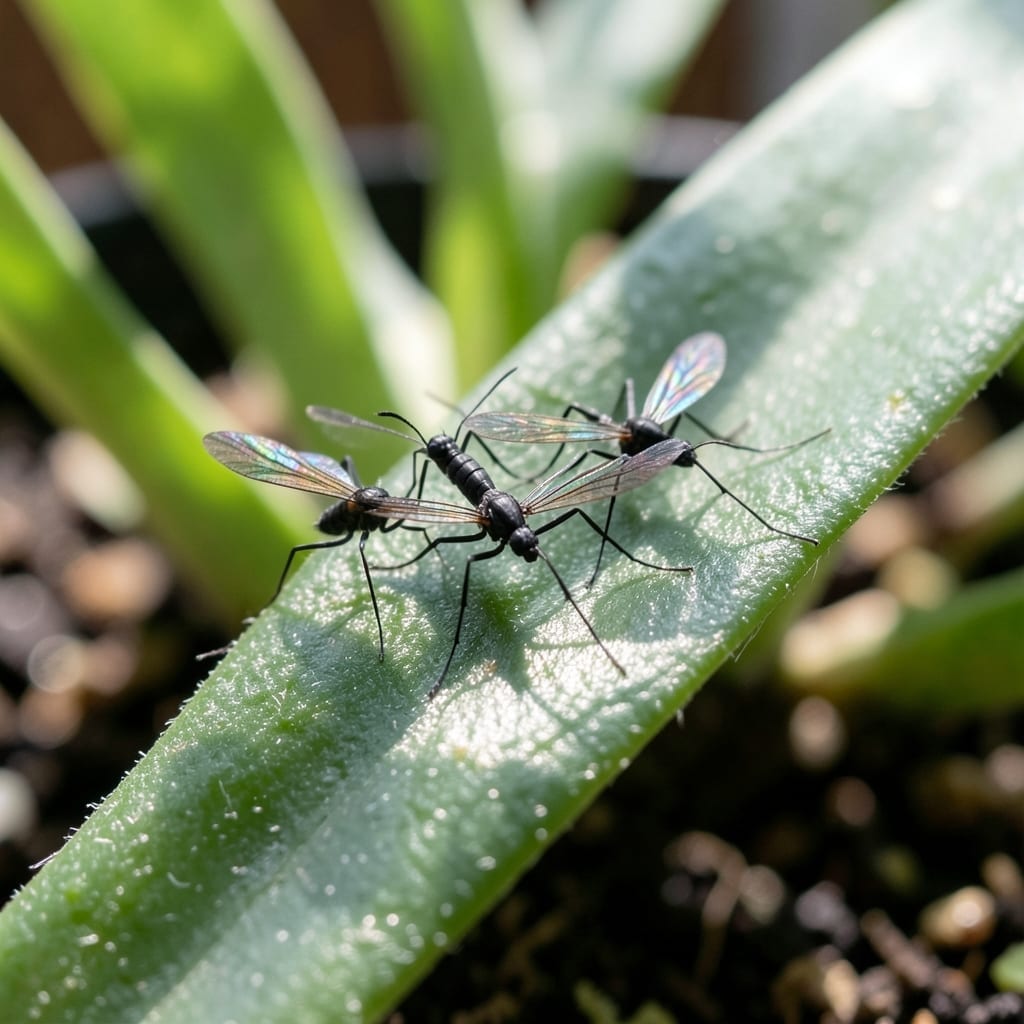
My pothos turned into a tiny bug airport overnight. Non-toxic solutions exist, and they work better than you’d expect.
Fungus gnats thrive in damp soil, but a simple vinegar trap catches adults while cinnamon stops larvae in their tracks. I tested both—no more swarms.
Prevention is easier than cure. Let soil dry between waterings, use well-draining pots, and keep new plants quarantined for a week.
Your plants recover fast once the cycle breaks. No chemicals, no fuss, just consistent care that keeps them gone for good.
Tiny flying bugs in your houseplants don’t appear out of thin air—they’re usually the result of a few common, preventable conditions. Here’s why they show up and thrive in your indoor greenery:
Excess moisture is the #1 invitation for fungus gnats, the most common tiny flying pests in houseplants. These insects lay their eggs in damp soil, where larvae feed on organic matter and plant roots. If your pot lacks drainage holes or you water on a rigid schedule (rather than checking soil dryness), you’re creating a perfect breeding ground. Action: Let the top 1–2 inches of soil dry out between waterings.
Old leaves, uneaten fertilizer, or decomposed plant debris in the pot attract fruit flies and drain flies. These bugs thrive on rotting material, multiplying rapidly in warm, humid environments. Action: Remove dead foliage and clean up spilled soil or fertilizer immediately.
Sometimes, the problem hitches a ride. Store-bought potting mix or a new plant may already contain eggs or larvae. Even high-quality soil can harbor dormant pests that activate once conditions are right. Action: Sterilize new soil by baking it at 200°F for 30 minutes, and quarantine new plants for 2–3 weeks.
Poor airflow traps moisture around your plants, encouraging fungal growth and pest proliferation. Kitchens, bathrooms, or grouped houseplants in low-ventilation areas are hotspots. Action: Use a small fan to improve circulation and space plants apart for better airflow.
Dealing with tiny flying pests in your houseplants doesn’t have to mean reaching for harsh chemicals. Here’s how to tackle each common cause with simple, plant-safe solutions.
Let the top 1–2 inches of soil dry out between waterings. For existing gnats, place a vinegar-and-dish-soap trap: mix 1 tbsp apple cider vinegar, 1 tsp dish soap, and 1 cup water in a shallow dish near the plant. The gnats are drawn in and trapped. Prevention tip: Use well-draining soil and pots with drainage holes.
Remove dead leaves, fallen blooms, or old mulch from the soil surface. Replace the top layer of soil if heavily infested. Prevention tip: Regularly clean plant saucers and avoid letting organic debris accumulate.
Use fine mesh screens on windows and doors to block entry. For existing bugs, a yellow sticky trap placed near the plant can catch adults quickly. Prevention tip: Inspect new plants before bringing them indoors.
Repot the plant with fresh, sterile potting mix. Add a thin layer of sand or gravel on top to deter egg-laying. Prevention tip: Avoid reusing soil from infested plants.
💡 Pro tip: Introduce beneficial nematodes or predatory mites (available at garden centers) for a long-term, chemical-free defense against soil-dwelling pests.
Look for small, dark-colored flies hovering just above the soil. They’re weak fliers and often stay near the plant. If you see them, check for larvae in the top inch of damp soil.
Repotting helps if you use fresh, sterile soil and clean the pot thoroughly. Remove all old soil to eliminate eggs or larvae. Quarantine the plant for a week to monitor for new activity.
Yes, a 1:4 hydrogen peroxide-to-water mix kills larvae on contact. Water your plant with this solution once a week until the pests are gone. Avoid using full strength, as it can harm roots.
They return if the root cause isn’t fixed. Overwatering, poor drainage, or decaying matter keeps attracting them. Adjust your care routine and ensure the soil dries between waterings.