
Beautiful Plants For Your Interior
Beautiful Plants For Your Interior
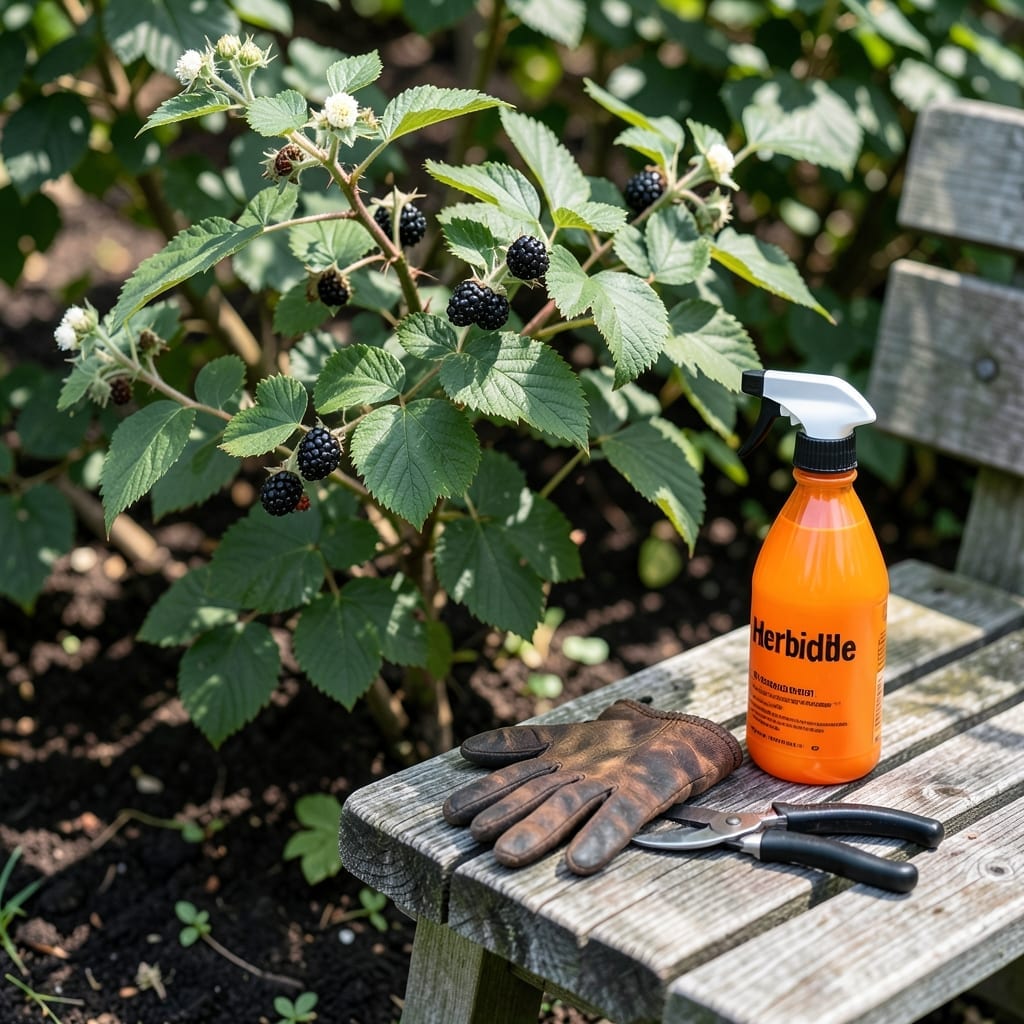
Thorn bushes turn a peaceful garden into a prickly nightmare. I’ve dealt with my share, and the worst part isn’t the thorns—it’s watching them spread while good plants suffer.
The solution doesn’t require harsh chemicals. Natural methods work just as well, often better, without risking your soil or nearby plants. The key is persistence and timing—attack them when they’re most vulnerable.
Within 2-3 weeks of consistent effort, you’ll see the difference. New growth slows, existing thorns weaken, and your landscape starts breathing again. The best part? Your soil stays healthy and ready for better plants.
Works for blackberries, roses gone wild, or any thorny invader. Here’s how to reclaim your space safely and effectively.
Thorn bushes can take over your landscape for several biological and environmental reasons. Understanding these causes helps you tackle the issue at its root—literally. Below are the most common factors behind invasive thorn bush growth.
Poor soil health often leads to the dominance of hardy, thorny plants. When soil lacks essential nutrients or has an imbalanced pH, delicate plants struggle, while resilient thorn bushes thrive. Testing your soil and amending it with organic compost or lime can restore balance and reduce thorny invaders.
Thorn bushes flourish in areas where other plants can’t compete. Bare patches of land, overgrazed pastures, or gardens with sparse vegetation create the perfect opportunity for thorns to spread. Introducing ground covers or native plants can outcompete thorn bushes naturally.
Drought, extreme heat, or poor drainage can weaken desirable plants, giving thorn bushes a chance to move in. These tough plants are often drought-resistant and can survive in harsh conditions where others can’t. Improving irrigation and ensuring proper drainage can help prevent their spread.
Many thorn bushes produce berries that birds and wildlife eat, spreading seeds across your property. Wind can also carry lightweight seeds far from the parent plant. To limit this, remove ripe berries before they’re consumed and consider planting a windbreak to reduce seed dispersal.
Dealing with thorny bushes can be tough, but the right approach makes it manageable. Below are practical solutions for common issues, along with tips to keep your landscape thorn-free.
Fix: Trim back the bush regularly using thick gloves and long-handled pruners to avoid injury. For severe cases, use a brush cutter or chainsaw (with caution). Cut at the base to prevent regrowth.
Prevention: Schedule seasonal pruning to control size. Plant low-maintenance alternatives like boxwood or lavender if thorny bushes are too high-maintenance.
Fix: Pull young shoots by hand (wear gloves!) or dig them out with a garden fork. For stubborn roots, apply a natural herbicide (e.g., vinegar and salt mix) directly to the stump.
Prevention: Mulch heavily around the area to smother new growth. Check for sprouts weekly during growing season.
Fix: Install a root barrier (e.g., metal or plastic sheeting) 12–18 inches deep to block invasive roots. For fences or walls, trim back branches immediately to prevent scratches or structural damage.
Prevention: Plant thorny bushes at least 5 feet away from walkways, fences, or buildings. Opt for thornless varieties like roses without thorns if safety is a concern.
💡 Pro Tip: Always dispose of thorny debris in sealed bags to avoid injury during cleanup. For large jobs, rent a wood chipper to break down branches safely.
Reapply every 5-7 days for 2-3 weeks to fully kill the roots. Natural options like vinegar or boiling water work best on young shoots. For tougher bushes, combine with manual removal for faster results.
Yes, vinegar is non-selective and can damage any plant it touches. Use a shield or apply carefully with a paintbrush to target only the thorn bush. Always test a small area first.
Late winter or early spring, before new growth starts. Plants are dormant, making removal easier, and roots are less likely to regrow. Avoid wet seasons when soil is too soft.
No, thorn bush clippings may regrow or spread seeds. Dispose of them in sealed bags with your yard waste instead. Burning is another option if local regulations allow.