
Beautiful Plants For Your Interior
Beautiful Plants For Your Interior
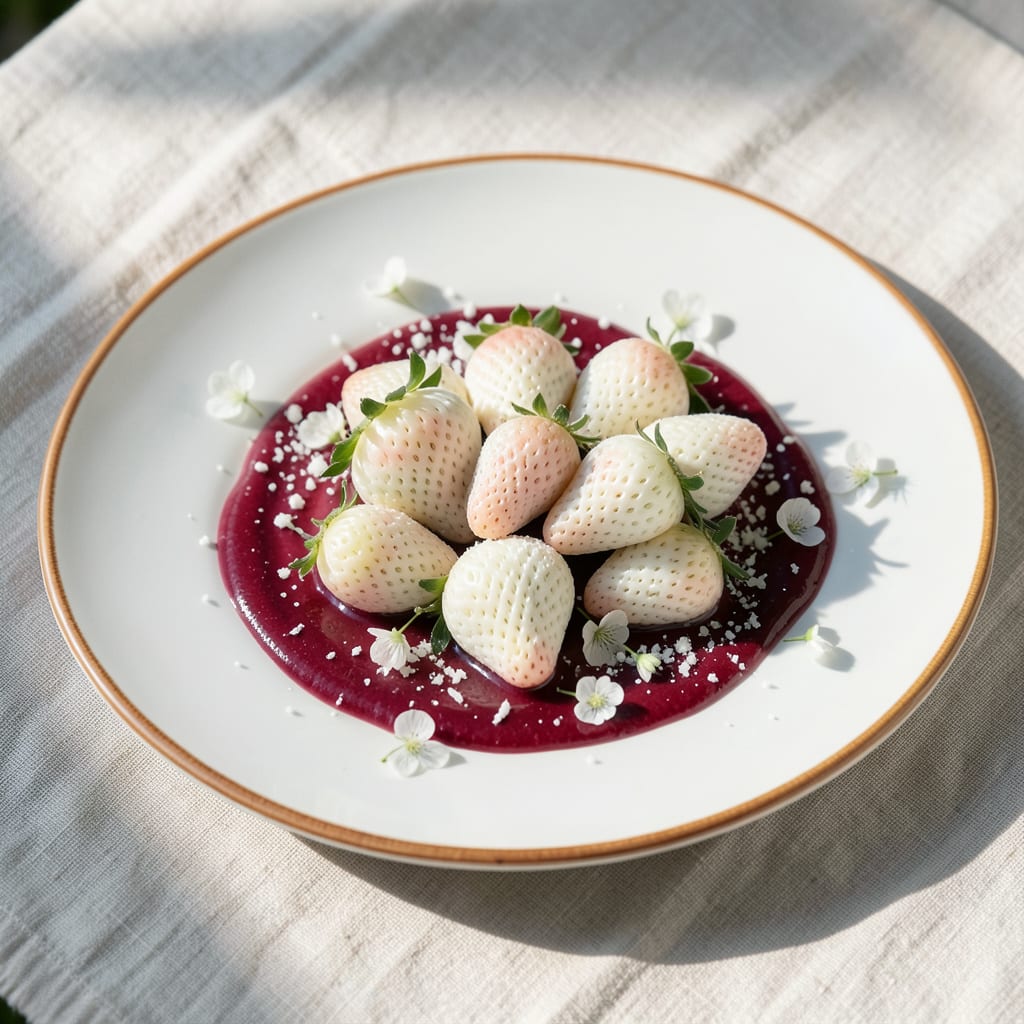
I first tasted an Alba White strawberry three summers ago and was shocked by the pineapple flavor. These unique berries offer a sweet, tropical twist that red strawberries can’t match.
They thrive in containers or garden beds with full sun and well-draining soil. You’ll get white fruit with red seeds that look as unusual as they taste, and they’re easier to grow than most varieties.
📚 In This Guide
This method delivers the sweetest pineapple-flavored berries with consistent results in any climate.
Choose a spot with full sun exposure—Alba white strawberries need at least 6-8 hours of direct sunlight daily for optimal sweetness and fruit production. I’ve found that morning sun is particularly beneficial as it dries the foliage quickly, reducing the risk of fungal diseases.
Avoid low-lying areas where cold air settles, as these can damage blossoms during unexpected late frosts. If your garden lacks ideal sun, consider using containers that can be moved to follow sunlight throughout the day. The soil should be well-draining, slightly acidic (pH 5.5-6.5), and rich in organic matter.
Work the soil to a depth of 12-15 inches, removing any weeds, rocks, or debris that could impede root development. Alba strawberries thrive in loose, fertile soil, so I always amend with plenty of compost or well-rotted manure to improve texture and nutrient content.
If your soil is heavy clay, mix in coarse sand or perlite to enhance drainage. Strawberries dislike wet feet, and waterlogged roots will rot quickly. Once the bed is prepared, rake the surface smooth and water lightly to settle the soil before planting. This ensures the crowns won’t sink too deeply when placed in the ground.
Place each strawberry plant so the crown—the point where the roots meet the stems—sits just above the soil line. Burying the crown too deeply can smother the plant, while leaving it too high exposes roots to drying out. Space plants 12-18 inches apart in rows that are 2-3 feet apart to allow for good air circulation.
If you’re using bare-root plants, soak the roots in lukewarm water for 1 hour before planting to rehydrate them. Dig a hole wide enough to spread the roots naturally, then firm the soil gently around the base. Water immediately after planting to eliminate air pockets and help the roots establish contact with the soil.
Keep the soil consistently moist but not soggy, especially during the first 2-3 weeks after planting. I water deeply 2-3 times per week, adjusting based on rainfall and temperature. The goal is to maintain even moisture at a depth of 1-2 inches below the surface.
Apply a 2-3 inch layer of organic mulch, such as straw or pine needles, around the plants to retain moisture, suppress weeds, and keep berries clean. Avoid using plastic mulch, as it can overheat the soil and damage shallow roots. Mulch also helps regulate soil temperature, which is crucial for consistent fruit production.
Remove the first set of blossoms that appear to encourage stronger root and foliage development. This sacrifice leads to larger, more flavorful berries in subsequent harvests. Alba strawberries produce fruit throughout the growing season, so regular maintenance is key.
Harvest berries when they are fully white with a slight blush and slightly soft to the touch. Pick them with a small portion of stem attached to prevent bruising. These strawberries are most flavorful when allowed to ripen fully on the plant, so resist the urge to pick them too early.
These practical insights will help you maximize your harvest with minimal effort.
Sunlight Strategy: The 6-8 hours of daily direct sunlight in Step 1 isn’t just a suggestion—it directly impacts the berries’ pineapple-like sweetness. Morning sun exposure is particularly valuable as it helps dry foliage quickly, which I’ve found significantly reduces fungal disease risk. If your space is limited, containers work beautifully and can be repositioned to chase the sun.
Soil Preparation Tip: In Step 2, working the soil to that 12-15 inch depth creates the ideal environment for root expansion. I always recommend testing your soil’s drainage before planting—dig a small hole, fill it with water, and if it doesn’t drain within an hour, you’ll need to amend with more perlite or sand to prevent root rot.
Planting Precision: The crown placement in Step 3 is critical. I learned the hard way that burying the crown even half an inch too deep can smother the plant, while leaving it exposed can dry out the roots. Also, that 1 hour soak for bare-root plants makes all the difference—it revives dormant roots and gives your plants a strong start.
Watering Wisdom: During those first 2-3 weeks after planting, consistent moisture is key, but overwatering is just as dangerous as underwatering. Stick your finger 1-2 inches into the soil—if it feels dry at that depth, it’s time to water. The 2-3 inch mulch layer will help maintain this balance while also keeping berries clean.
Alba strawberries thrive in well-draining soil with full sun. Plant crowns 12–18 inches apart in spring, water regularly, and mulch to retain moisture. They’re low-maintenance and produce sweet, pineapple-flavored berries in their first year!
Early spring or fall is ideal for planting Alba strawberries, as cooler temperatures help roots establish. Avoid extreme heat or frost. In mild climates, you can plant year-round with proper care.
Yes! Alba strawberries are uniquely sweet with a tropical pineapple-like flavor, setting them apart from traditional red varieties. Their creamy texture and mild acidity make them a gourmet favorite.
Overwatering, poor drainage, or pests like slugs can affect growth. Ensure good airflow, use organic pest control, and remove diseased leaves promptly. Yellowing leaves may indicate nutrient deficiency—test soil and adjust fertilizer as needed.
Absolutely! Use a deep pot (at least 8–10 inches) with drainage holes and quality potting mix. Container-grown Alba strawberries need consistent watering and occasional feeding. Perfect for patios or small spaces!
