
Beautiful Plants For Your Interior
Beautiful Plants For Your Interior
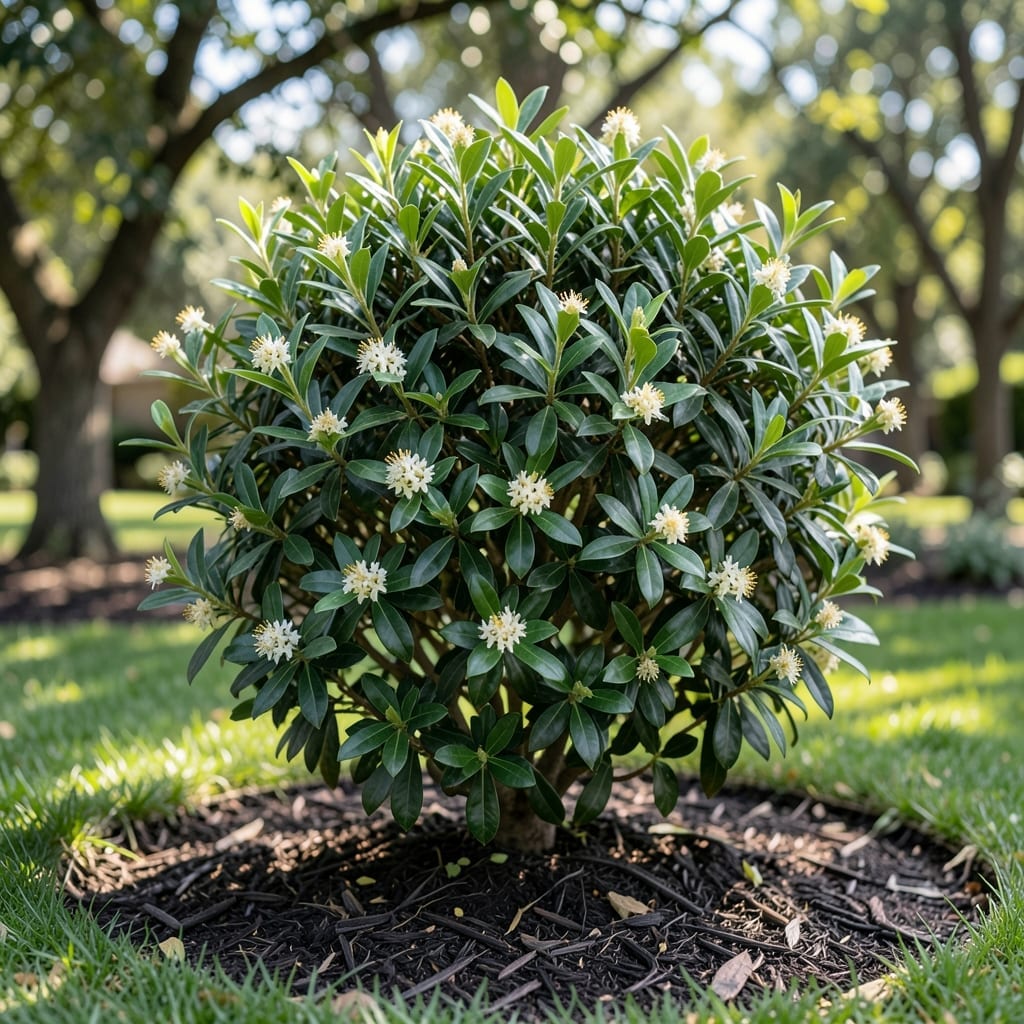
If you’ve ever planted a Tea Olive 🌿 and wondered why it seems to take its sweet time growing, you’re not alone. This elegant evergreen shrub has a reputation for being a slow starter, but don’t let that fool you.
What it lacks in speed, it makes up for in steady, reliable growth. Understanding its rhythm helps you set realistic expectations and plan your garden accordingly.
I’ll walk you through what to expect from year to year, so you can watch your Tea Olive thrive without the guesswork. The transformation is worth the wait.
Discover how to give it the best conditions for reaching its full, fragrant potential in your landscape.


When you plant a tea olive, don’t expect overnight miracles. This evergreen shrub grows at a moderate pace, typically adding 12-24 inches in height annually under ideal conditions. Its growth is steady but not rushed.
In the first year, you’ll see 1-2 feet of vertical growth as it establishes roots. By year three, it often reaches 5-6 feet, and at full maturity, expect a 10-20 foot tall plant with an 8-15 foot spread. Patience pays off with this one.
| Growth Stage | Height Range | Key Notes |
| Year 1 | 1-2 ft | Root establishment phase |
| Year 2 | 3-4 ft | Accelerated growth begins |
| Year 3 | 5-6 ft | Visible shrub structure forms |
| Mature | 8-12 ft | Full size, fragrant blooms |
I’ve found that soil quality and sunlight exposure play huge roles in growth speed. In well-draining, slightly acidic soil with 6+ hours of sun, your tea olive will grow faster and healthier.
Conversely, poor drainage or deep shade can stall its progress. If your plant seems stuck, check these factors first. A simple soil test and sunlight assessment can reveal the issue.
Pruning also influences growth. Light annual trimming encourages bushier development, while heavy pruning can slow it down. I recommend shaping in late winter before new growth starts.
The climate zone matters too. In USDA zones 7b-10b, tea olive thrives, but in cooler areas, growth may be slower. If you’re in a marginal zone, consider mulching heavily to protect roots.
For those wanting a dwarf variety, some cultivars stay compact at 4-6 feet. These are perfect for small gardens or container growing. Just ensure the container is large enough for root development.
Remember, consistent watering during the first 2-3 years helps establish a strong root system. Once mature, tea olive is drought-tolerant, but regular watering keeps growth steady.
With proper care, your tea olive will reward you with glossy foliage and sweetly scented flowers for decades. The wait is part of the joy of gardening. 🌿
If your tea olive seems sluggish, it’s often due to suboptimal conditions. This shrub thrives in well-draining soil with slight acidity, but even perfect dirt won’t compensate for poor light or watering habits.
I’ve found that sunlight exposure is the biggest game-changer. While it tolerates partial shade, 6+ hours of sun can nearly double its annual growth compared to shady spots.
In my experience, consistent moisture during the first year establishes a strong foundation. After that, drought tolerance kicks in, but don’t let it fool you into neglecting water entirely.
The USDA zone makes a noticeable difference too. Gardeners in warmer climates often see their tea olives add 2-3 feet annually, while those in cooler zones might only get 1-2 feet of growth.
Finally, pruning practices affect growth more than you’d think. Light shaping encourages bushier development, while heavy cuts can set your plant back a full season. I always recommend moderate pruning in early spring.
With these factors dialed in, you’ll be amazed at how your tea olive transforms from a small sapling to a mature, fragrant centerpiece in just a few years 🌿