
Beautiful Plants For Your Interior
Beautiful Plants For Your Interior
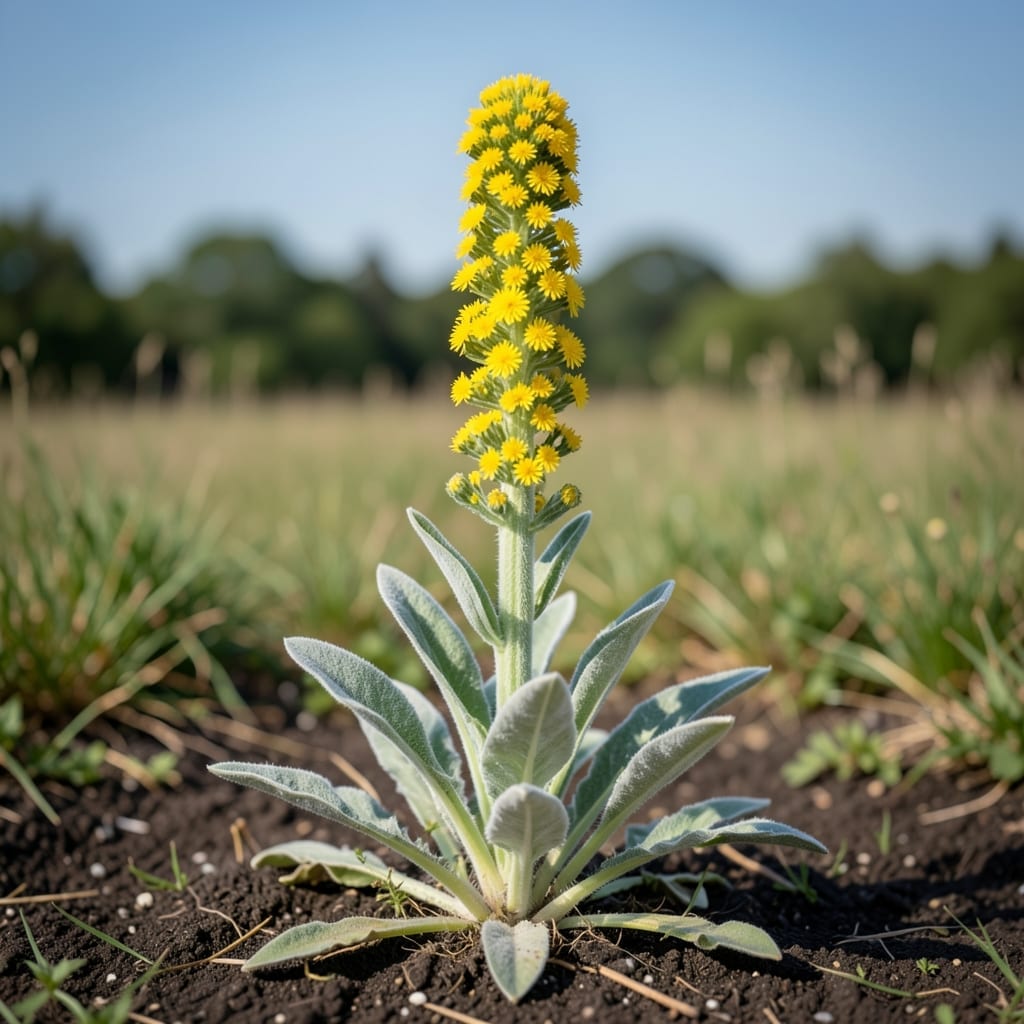
I spent last weekend pulling what I thought were wildflowers from my garden beds. Turns out they were tall weeds with yellow flowers taking over my carefully planned borders.
Identifying these invaders isn’t always straightforward. Some look shockingly similar to prized perennials until they spread aggressively, choking out the plants you actually want. The key is noticing their growth pattern and leaf shape.
Once you recognize them, removal becomes simpler. Most pull easily when the soil is damp, but some need a different approach to prevent regrowth. I’ll share which ones are worth keeping and which need to go.
This guide will help you spot the most common varieties in your yard and decide how to handle each one effectively.
Tall weeds with yellow flowers often thrive in gardens and wild spaces due to specific environmental and biological factors. Below are the most common causes, explained scientifically and with actionable insights.
Many yellow-flowering weeds, like Solidago (goldenrod) or Taraxacum officinale (dandelion), are opportunistic. Disturbed soil—from tilling, construction, or foot traffic—creates ideal conditions for their seeds to germinate. These plants evolve to colonize bare patches quickly, outcompeting slower-growing species.
Excess moisture can encourage the growth of tall, yellow-blooming weeds such as Hypochaeris radicata (cat’s ear). Soggy soil reduces competition from drought-sensitive plants, allowing these hardy weeds to dominate. Ensure proper drainage to discourage their spread.
Most yellowflower weeds, including Senecio vulgaris (common groundsel), thrive in full sunlight. Open, sunny areas with minimal shade provide the energy they need for rapid growth. Planting shade-tolerant species can help suppress them.
When desirable plants are sparse or weak, tall yellow weeds fill the gap. These species often have deep root systems or allelopathic properties (chemicals that inhibit other plants), giving them a competitive edge. Regularly maintain garden beds to limit their expansion.
If tall weeds with yellow flowers are taking over your garden, don’t panic—there are simple, effective ways to regain control. Below are practical solutions tailored to common scenarios, along with tips to prevent future outbreaks.
For small or isolated clusters, hand-pulling is the most straightforward fix. Use a weeding tool or gloved hands to grasp the base of the plant and pull upward, ensuring you remove the roots to prevent regrowth. Best time: After rain or watering, when the soil is soft. Prevention tip: Mulch bare soil with wood chips or straw to block sunlight and suppress new growth.
If the weeds have spread widely, mowing them down before they flower can stop seed production. For a long-term fix, smothering works well: cover the area with cardboard or thick black plastic, then top with mulch. Leave for 4–6 weeks to kill weeds and their roots. Prevention tip: Plant dense ground covers like clover or creeping thyme to outcompete weeds naturally.
For stubborn varieties like ragweed or goldenrod, a selective herbicide (e.g., glyphosate) can be effective. Apply directly to the leaves on a calm day to avoid drift. Always follow label instructions and wear protective gear. Prevention tip: Reapply a pre-emergent herbicide in early spring to stop seeds from germinating.
Pro tip 💡: Combine methods for best results—mow first, then apply herbicide to regrowth for a one-two punch.
Not all are bad—some like dandelions have edible leaves and medicinal uses. However, most spread aggressively and crowd out desired plants if left unchecked.
Look for jagged leaves, rapid growth, and multiple stems from one root. Most weeds also have a rougher texture than cultivated blooms.
Pull them by hand after rain when soil is soft. For large areas, mow before they seed to stop spread. Always remove roots to prevent regrowth.
Yes, household vinegar works as a natural herbicide, but needs multiple applications. Apply directly to leaves on sunny days for best results.