
Beautiful Plants For Your Interior
Beautiful Plants For Your Interior
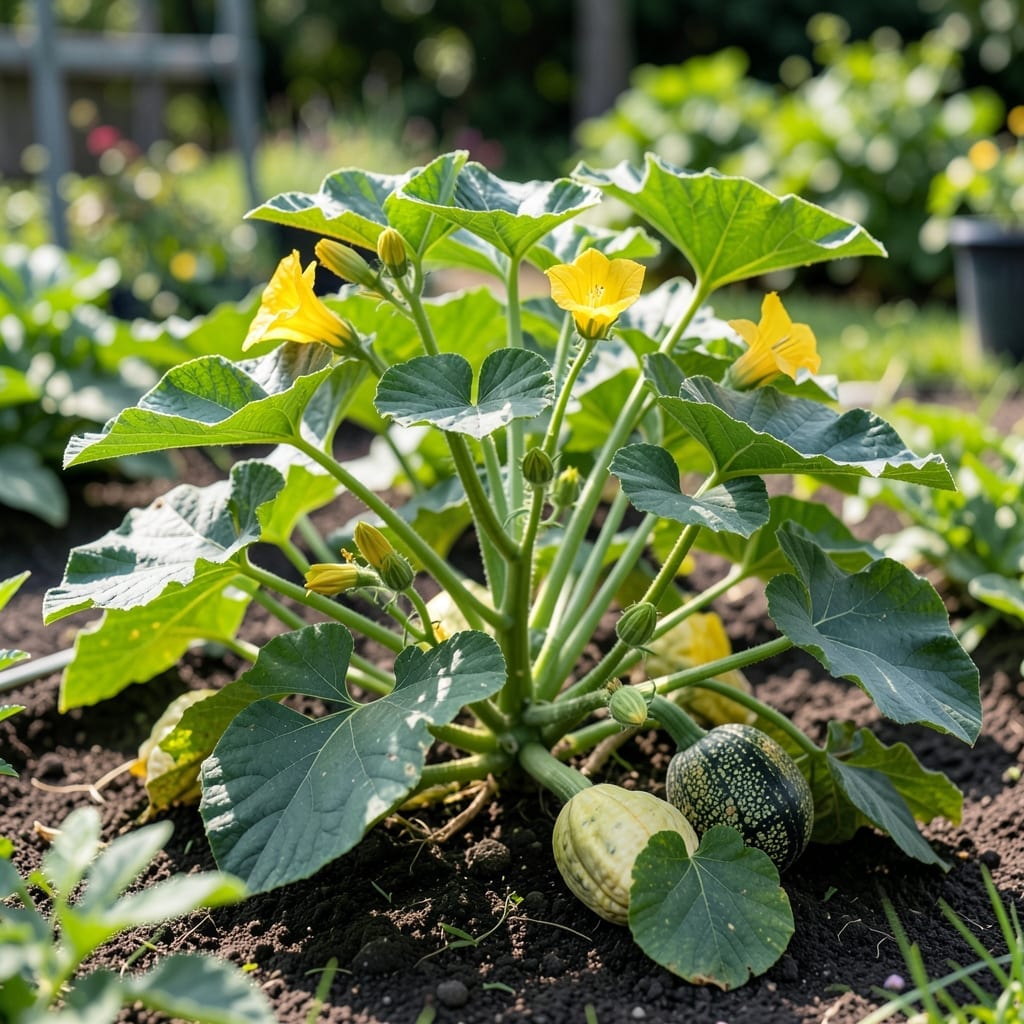
Imagine stepping into your garden and seeing 🎃 Squash vines reaching skyward, turning what was once ground clutter into a thriving vertical display. That’s the magic of growing tall squash plants.
I’ve discovered that training these plants upward isn’t just about saving space—it’s about creating healthier, more productive plants. With the right approach, you can transform even a small patch into a high-yielding squash paradise.
What most gardeners don’t realize is how simple it is to encourage this upward growth. A few basic supports and some gentle guidance are all it takes to get started.
Let me walk you through the easiest methods to grow tall, strong squash plants that will impress your neighbors and fill your kitchen with fresh produce all season long.


If you want to maximize garden space with climbing squash, choosing the right variety is key. Some squash naturally grow tall and thrive when trained upward on trellises or cages. These plants save space while improving airflow.
I’ve found that Tromboncino, Butternut, and Zucchini are top performers for vertical setups. Each has unique growth habits, but all adapt well to upward training with proper support.
| Variety | Growth Habit | Yield Potential | Support Needed |
|---|---|---|---|
| Tromboncino | Vining, 10+ ft | High, long fruits | Strong trellis |
| Butternut | Semi-vining, 6-8 ft | Moderate, storage crop | A-frame or cage |
| Zucchini | Bush-type, 3-5 ft | High, prolific producer | Light trellis |
Tromboncino squash is my favorite for vertical gardens because it grows 10+ feet tall and produces long, curved fruits that hang beautifully. Its vines are strong but need sturdy support to handle the weight.
Butternut squash is another great choice, reaching 6-8 feet with a semi-vining habit. It’s perfect for A-frame trellises or cages. The nuts are sweet and store well, making them ideal for fall harvests.
Zucchini plants are typically bush-type but can be trained upward with a light trellis. They grow 3-5 feet tall and produce abundantly. I recommend pruning lower leaves to encourage upward growth.
For optimal spacing, plant vining squash 18-24 inches apart at the base of your support. This gives them enough room to climb without competing for nutrients or light.
Remember, all squash need full sun—at least 6-8 hours daily—and consistent moisture. Vertical growing helps with air circulation, reducing the risk of foliar diseases like powdery mildew.
If you’re new to vertical gardening, start with Zucchini or Butternut. They’re more forgiving and require less aggressive pruning than Tromboncino. Once you’re comfortable, experiment with more vigorous climbers. ✂️
With the right variety and support, you’ll be amazed at how much more productive your squash plants can be. Plus, harvesting is easier when fruits are eye-level instead of hidden under leaves. 🌱
Training tall squash plants to grow vertically transforms your garden by saving space and improving plant health. I’ve found that sturdy trellises or A-frame supports work best for vining varieties like Tromboncino or Butternut. Start early to guide young vines before they sprawl.
Begin by installing supports at planting time. Use soft plant ties or old nylon stockings to gently secure vines to the structure. Avoid tight bindings that can damage stems as they thicken. This method keeps foliage off the ground, reducing disease risks.🌱
For heavy fruits like butternut squash, add slings made from netting or old T-shirts to support the weight. I’ve seen vines snap under the strain of mature squash, so this simple trick prevents loss. Position slings where fruits naturally form along the vine.
Pruning is essential for vertical squash. Remove side shoots and lower leaves to direct energy upward. This also improves air circulation, which I’ve found reduces powdery mildew in my garden. Always use clean, sharp pruning shears to make clean cuts.☀️
As plants grow, monitor for tangled vines and gently separate them. I recommend checking your squash every 2-3 days during peak growth. This prevents knots that can restrict growth and makes harvesting easier later in the season.
Finally, remember that consistent watering at the base is crucial for vertical squash. The elevated foliage dries faster, so maintain even moisture in the root zone. I use a drip irrigation system to deliver water directly to the soil.💧