
Beautiful Plants For Your Interior
Beautiful Plants For Your Interior
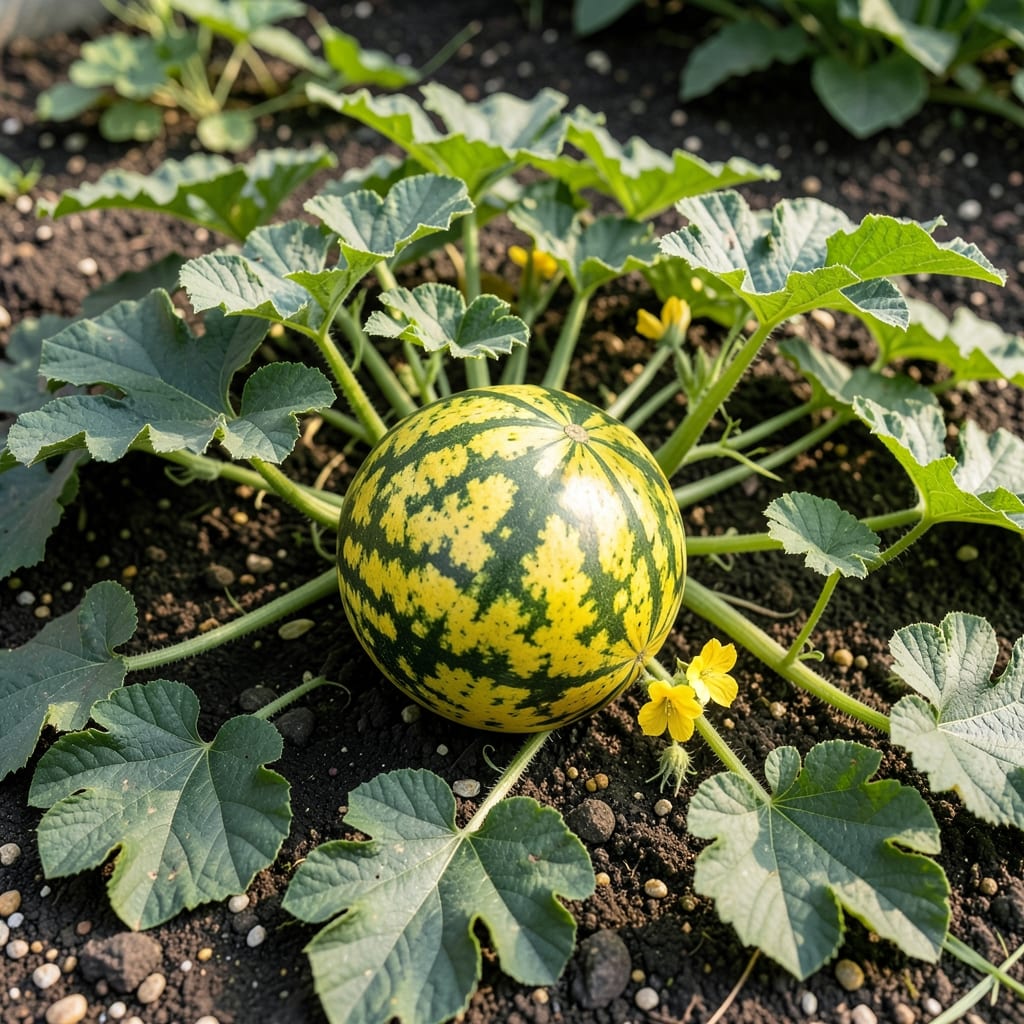
Yellow watermelons taste like summer sunshine. I discovered these juicy gems after one too many bland red varieties ruined my picnics.
The secret is warm soil and space to sprawl. These vines need room to stretch out, with full sun and consistent watering to develop their signature sweetness.
You’ll harvest golden orbs in 80-90 days, with flesh sweeter than traditional types. The rind stays striped or solid yellow, making them a garden showstopper.
Perfect for hot climates and long growing seasons. Here’s how to grow them right the first time.
The sweet yellow watermelon phenomenon typically arises from a few key biological and environmental factors. Below are the primary causes, explained scientifically for clarity.
Some watermelon varieties are naturally bred to produce yellow flesh with high sugar content. These cultivars, like Yellow Doll or Yellow Crimson, contain genetic mutations that enhance carotenoid pigments (e.g., beta-carotene) while boosting sucrose accumulation. If you’re growing a yellow-fleshed heirloom, sweetness is likely intentional!
Excessive sunlight can accelerate lycopene breakdown in red watermelons, shifting flesh color toward yellow. Meanwhile, optimal sun exposure (8–10 hours/day) maximizes photosynthesis, increasing sugar (Brix) levels. A watermelon left too long on the vine may turn yellow and sweeter as starches convert to sugars.
High temperatures (above 90°F/32°C) during fruit development can inhibit lycopene production, leading to pale or yellow flesh. However, heat also concentrates sugars by reducing water content, creating a sweeter taste despite the color change.
Inconsistent watering—especially drought followed by heavy irrigation—can stress the plant, triggering abnormal pigment synthesis. Overwatering dilutes sugars, while underwatering may concentrate them, sometimes resulting in a yellow, honey-like flavor.
Actionable Tip: Test soil moisture regularly and select varieties suited to your climate to control sweetness and color.
Growing sweet yellow watermelon can sometimes come with challenges, but most problems have simple fixes. Below are practical solutions to common issues, along with prevention tips to keep your crop thriving.
If leaves turn yellow, your plant may lack nitrogen or iron. Fix: Apply a balanced fertilizer or a nitrogen-rich organic amendment like compost. For iron deficiency, use chelated iron supplements. Prevention: Test soil before planting and amend as needed. Regularly feed plants with a slow-release fertilizer.
Wilting often signals underwatering or root stress. Fix: Water deeply at the base (1–2 inches per week) and mulch to retain moisture. Avoid wetting the leaves to prevent disease. Prevention: Use drip irrigation for consistent moisture and water early in the day.
Cucumber beetles or aphids can harm vines and fruit. Fix: Spray with neem oil or insecticidal soap, or introduce beneficial insects like ladybugs. Prevention: Rotate crops yearly and use row covers early in the season to deter pests.
Lack of sweetness can result from uneven watering or harvesting too early. Fix: Ensure steady watering (especially during fruit development) and pick melons when the tendril nearest the stem turns brown. Prevention: Choose high-sugar varieties and maintain consistent soil moisture.
Pro Tip 💡: Healthy soil and proper spacing (3–5 feet apart) reduce stress and disease risk, leading to sweeter, juicier harvests!
Most varieties mature in 80-90 days from planting. Ensure warm soil and full sun for the best results.
Uneven watering or early harvesting can lead to bitterness. Keep soil consistently moist and wait for the nearest tendril to turn brown before picking.
Yes, but choose compact varieties and use large containers (at least 5 gallons). Ensure proper drainage and support for vines.
Vines should be spaced 3-5 feet apart. This allows for proper air circulation and reduces disease risk.