
Beautiful Plants For Your Interior
Beautiful Plants For Your Interior
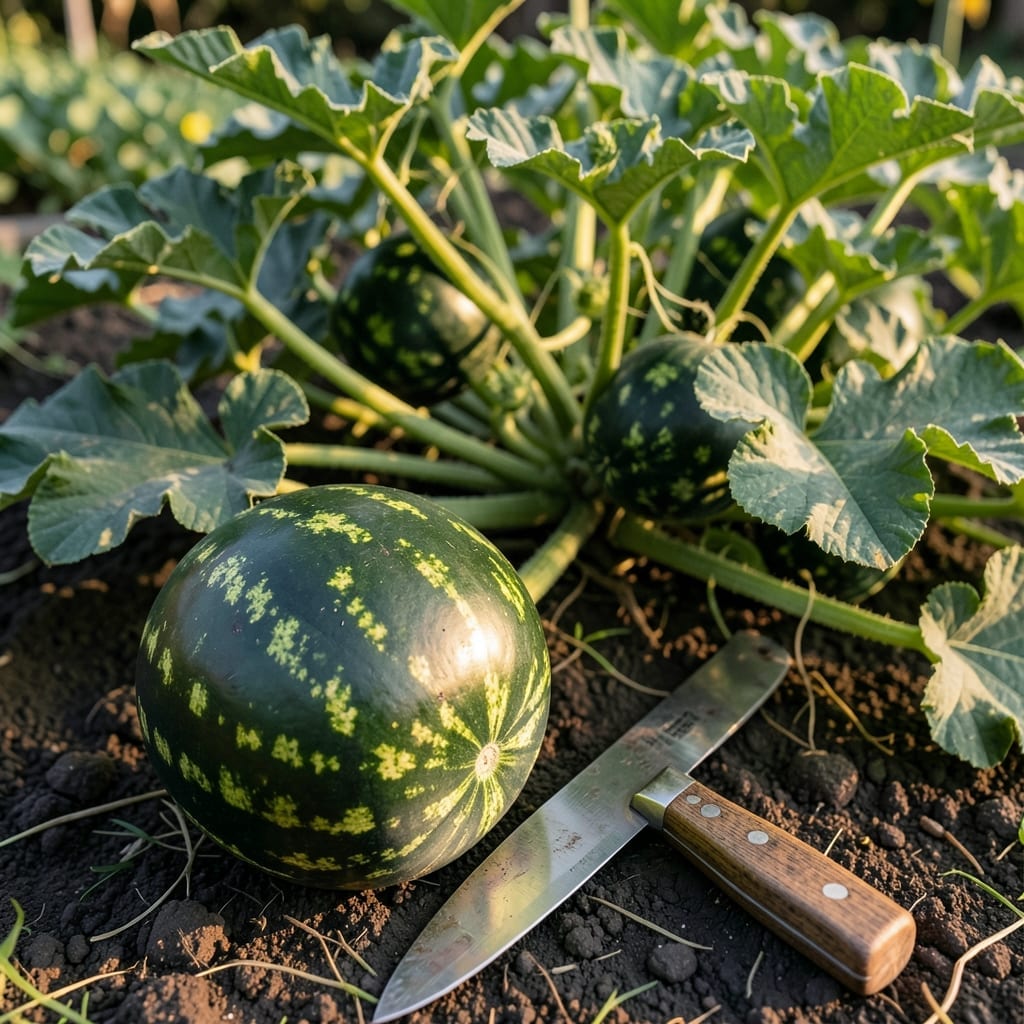
Picking a perfectly sweet watermelon is both an art and a science. Knowing the subtle visual signs of ripeness ensures you harvest the 🍉 at peak flavor, every time.
I’ve learned that the key lies in observing details most gardeners overlook. From the tendril’s color to the ground spot’s hue, these cues reveal everything about your Watermelon’s readiness.
And it’s not just about looks—sound and texture play an equally important role. With a few simple tests, you can confidently determine if your fruit is ready to come off the vine.
Discover how to spot these signs and enjoy the sweetest harvest of the season. Let’s break down what to watch for in your garden.
Identifying a sweet watermelon starts with observing its visual cues. The most reliable indicators are the tendril color, rind texture, and ground spot where it rests on the soil. These signs help ensure you pick at peak flavor. ☀️
I always check the tendril near the stem first. When it turns brown and dry, the watermelon is likely ripe. A dull rind and a cream-colored ground spot are also strong signals that the fruit is ready for harvest.
| Visual Sign | What to Look For |
|---|---|
| Tendril Color | Brown and dry |
| Rind Texture | Dull, not shiny |
| Ground Spot | Cream or yellow |
| Stem Condition | Separates easily |
The ground spot is often overlooked but critical. A white or pale underside means the watermelon isn’t ready. Look for a deep cream or yellow color, which indicates ripeness and sweetness. This spot forms where the fruit touches the soil. 🌱
Another key sign is the rind’s appearance. A shiny rind suggests the watermelon is still maturing. Once it turns dull and rough, it’s a strong indicator of ripeness. I’ve found this works for most varieties, from seedless to heirloom.
The stem also provides clues. If it detaches easily from the vine with minimal effort, the fruit is likely ready. However, avoid pulling too hard—this can damage the plant. Instead, use a sharp knife to cut the stem cleanly. ✂️
Size can be misleading, but maturity days matter. Most watermelons take 70-100 days to mature. Check the seed packet for your variety’s average harvest time to narrow down the window. I track this in my gardening journal for accuracy.
For extra confidence, combine visual signs with sound tests. Tap the watermelon— a deep, hollow sound indicates ripeness, while a high-pitched or flat sound means it’s not ready. This method works best for larger varieties. 🌿
I’ve learned that consistent watering early on boosts sweetness. Reduce water as harvest nears to concentrate sugars. This simple step can make a noticeable difference in flavor. Always water at the base of the plant to avoid wetting the leaves.
Finally, remember that variety matters. Some watermelons, like Sugar Baby, ripen faster than others. Always refer to the specific growing guidelines for your chosen type. This ensures you don’t miss the perfect harvest window. 🌻
Testing watermelon ripeness without slicing it open is easier than you think. I rely on simple sensory checks like thumping and tapping to gauge readiness. A deep, hollow sound indicates ripeness, while a metallic or flat tone suggests it needs more time.
Another reliable method is assessing the fruit’s weight and texture. A ripe watermelon feels heavy for its size, and the rind should be firm but not rock-hard. These tests are foolproof in my experience.
I always start with the thumping method—gently tap the watermelon with your knuckles. A ripe one will produce a low-pitched, hollow sound. This works because the internal structure changes as the fruit matures.
The ground spot is another giveaway. Look for a creamy yellow or orange patch where the fruit rested on the soil. A white or pale spot means it’s not ready yet. This is one of the most reliable visual cues.
Don’t forget the stem check. If the stem is still green and firmly attached, the watermelon isn’t ripe. A brown, dry stem that separates easily from the vine is a sure sign of readiness. I’ve found this to be particularly accurate.
Combining these methods gives you the best chance of picking a perfectly sweet watermelon. Trust your senses, and you’ll never be disappointed with your harvest.☀️