
Beautiful Plants For Your Interior
Beautiful Plants For Your Interior
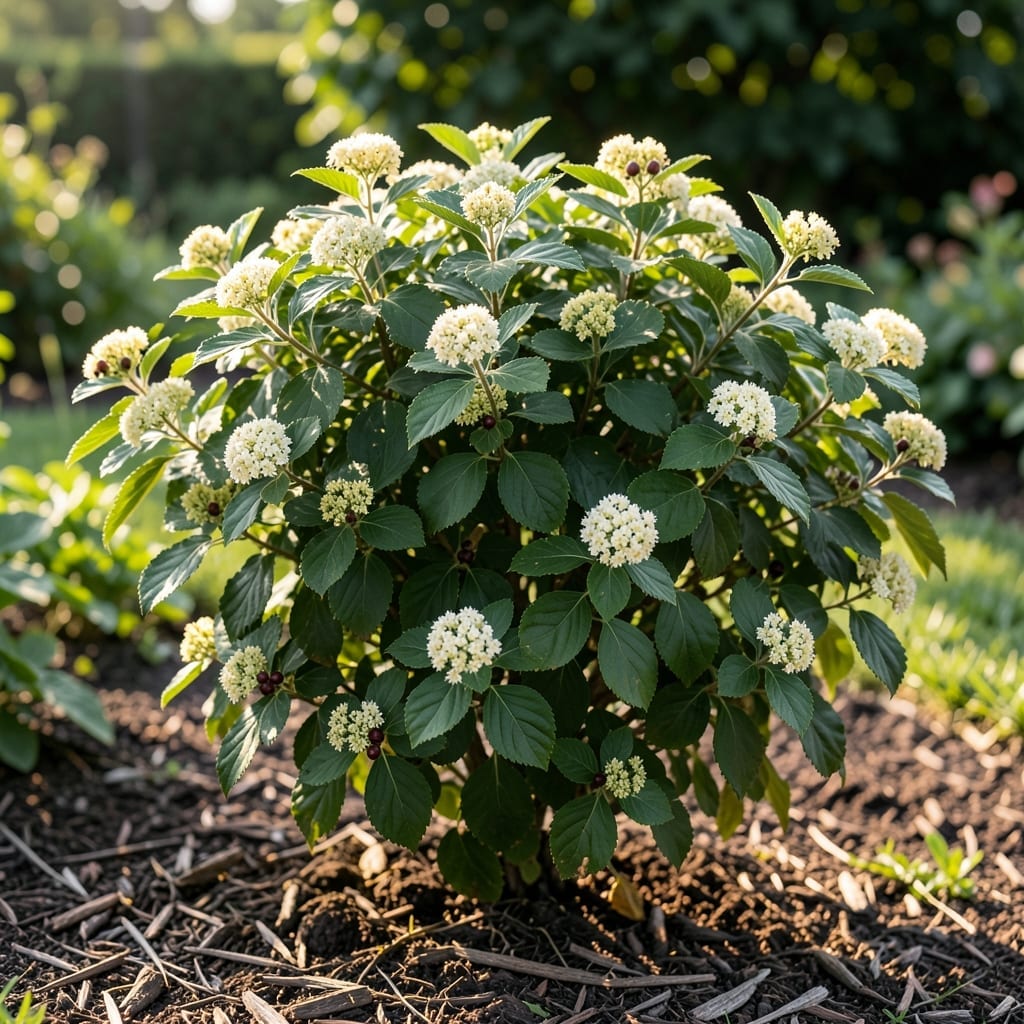
Understanding how quickly your Sweet Viburnum 🌿 grows can transform your landscaping plans. This fragrant shrub doesn’t just add beauty—it creates privacy and attracts wildlife.
I’ve watched these plants thrive in zones 5-9, and their growth pattern might surprise you. From modest beginnings to impressive heights, each year brings noticeable changes.
Let me walk you through what to expect, including the key factors that can speed up or slow down your Sweet Viburnum’s development. You’ll be amazed at its potential.


If you’re planting sweet viburnum (Viburnum odoratissimum), knowing its yearly growth pattern helps you plan your landscape effectively. This shrub is a fast grower under the right conditions, but its progress varies by year.
In the first year, expect modest growth as the plant establishes its root system. Don’t be discouraged—this is normal for most shrubs as they focus on building a strong foundation.
| Stage | Height Range | Growth Focus |
|---|---|---|
| Year 1 | 2-3 ft | Root establishment |
| Year 2 | 4-6 ft | Rapid height increase |
| Year 3 | 6-10 ft | Branching and density |
| Years 5+ | 8-15 ft | Maturity and full spread |
By year two, your sweet viburnum will start to show its potential, often adding 2-3 feet in height. This is when you’ll notice visible branching and a fuller appearance.
The rapid growth phase typically occurs between years 2-5. With proper care, your shrub can grow 1-2 feet per year, making it ideal for quick privacy screens.
I’ve seen sweet viburnum reach 6-10 feet by year three, especially in well-draining soil with full sun exposure. This is when the shrub starts to develop its characteristic dense, rounded shape.
Once mature (after 5+ years), your sweet viburnum will likely reach its full height of 8-15 feet. At this stage, growth slows, but the plant focuses on maintaining density and producing its fragrant blooms.
Environmental factors play a big role. In warmer climates (zones 7-9), growth tends to be faster. In cooler areas (zone 5-6), it may take an extra year to reach the same size.
Don’t forget that spread is just as important as height. Sweet viburnum typically spreads 6-10 feet wide at maturity, so give it plenty of space to thrive.
For the best results, I recommend planting in early spring or fall. This gives your shrub time to establish roots before extreme temperatures hit.
With consistent care, you’ll be rewarded with a lush, fragrant shrub that enhances your landscape for years to come 🌿
Several key variables can accelerate or slow your sweet viburnum’s growth. I’ve found that soil quality is the foundation—rich, well-draining soil encourages faster root development and overall growth.
Sunlight exposure is another critical factor. Sweet viburnum thrives in full sun to partial shade, with 6+ hours of daily sunlight producing the most vigorous growth and abundant blooms.
Watering practices significantly impact growth rate. I recommend deep watering once a week rather than frequent shallow watering. This encourages deep root growth, which supports taller, healthier shrubs.
Climate zones play a role too. In warmer zones 7-9, sweet viburnum grows faster, while in cooler zones 5-6, it may take an extra year to reach the same height. Proper mulching helps regulate soil temperature.
Pruning techniques can either help or hinder growth. I’ve learned that light pruning after flowering encourages bushier growth, while heavy pruning can set back your shrub’s development.
Finally, fertilization makes a noticeable difference. Using a balanced 10-10-10 fertilizer every 6-8 weeks during the growing season provides essential nutrients for optimal growth 🌿