
Beautiful Plants For Your Interior
Beautiful Plants For Your Interior
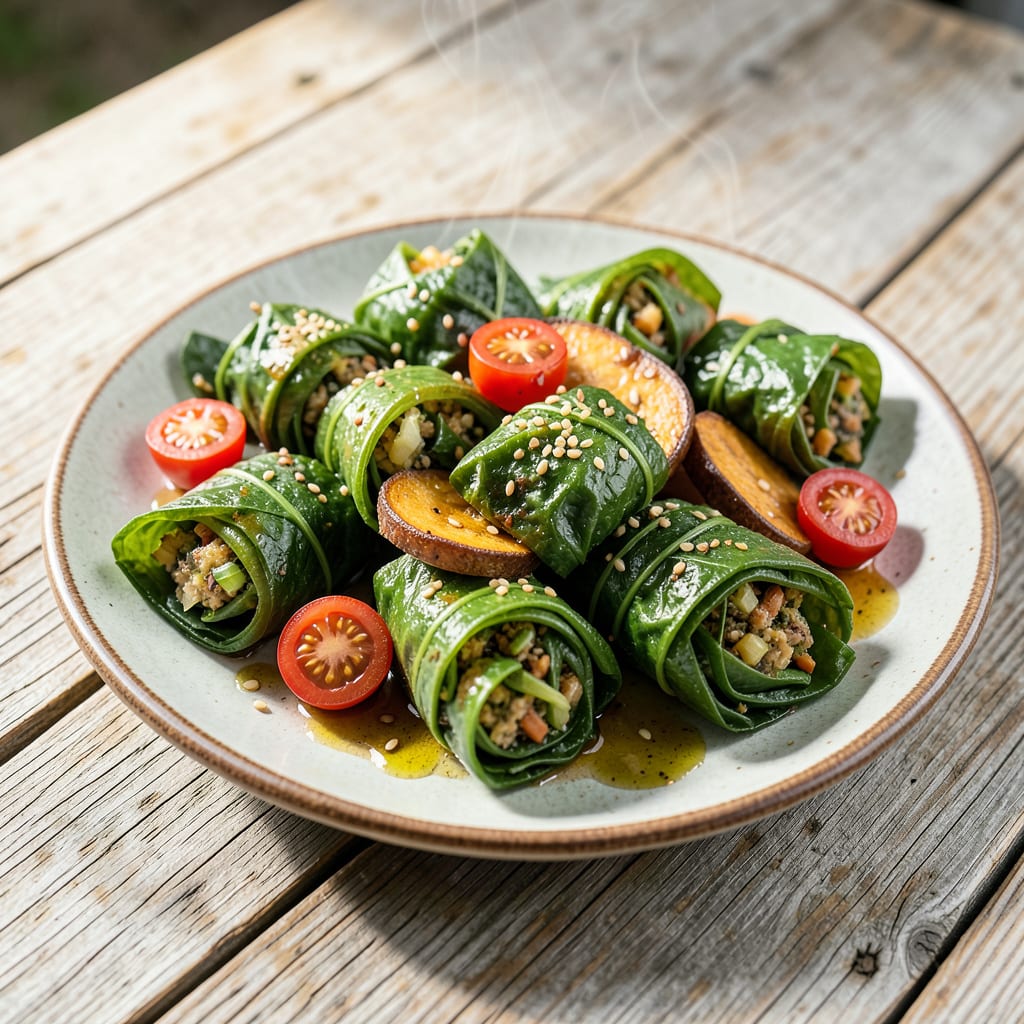
I discovered sweet potato vines produce edible leaves that taste better than spinach. These fast-growing plants thrive in heat and poor soil, making them perfect for lazy gardeners like me.
You’ll harvest tender greens in 6-8 weeks while the vines add ornamental beauty. One plant can produce enough leaves for multiple meals, and they regrow quickly after cutting. The secret is regular picking to encourage bushier growth.
📚 In This Guide
Harvesting these edible greens is simple once you know the right technique and timing.
Select fully expanded leaves from vigorous vines, typically those growing on the outer edges of the plant. These are the most tender and flavorful. Avoid the very youngest leaves at the tips—they lack the depth of flavor that develops with maturity.
Look for leaves that are deep green and free from spots or yellowing. The stems should snap easily when bent, a sign they’re at peak condition. I always check the underside of leaves for pests before harvesting, as sweet potato vines can attract aphids.
With sharp bypass pruners or clean kitchen scissors, cut individual leaves at their base where they meet the stem. Never tear leaves by hand—this damages the vine and invites disease through the jagged wound. Sanitize your tools between plants if you’re harvesting from multiple vines.
For a continuous harvest, remove no more than one-third of the foliage from any single vine at one time. This prevents shocking the plant and ensures regrowth remains robust. I harvest in the morning when leaves are most turgid, which makes them crisp and flavorful.
Sweet potato vines respond well to frequent harvesting by producing fresh growth. Begin harvesting when vines reach 12-18 inches long, usually about 60 days after planting slips. The more you harvest, the bushier your plants become.
I’ve found that harvesting every 7-10 days maintains optimal production. Always remove any flowers that appear—this redirects the plant’s energy into leaf production rather than seed formation. The vines will continue producing edible leaves until the first frost in most climates.
The flavor of sweet potato vine leaves is most mild and sweet in the morning after the dew has dried but before the heat of the day sets in. Avoid harvesting during the hottest part of the afternoon when leaves can taste slightly bitter.
For the most tender leaves, harvest when they’re 3-5 inches long. Older leaves become tougher and more fibrous. I taste-test leaves from different parts of the vine to find the sweet spot—literally—between tenderness and flavor development.
Small details make a big difference when harvesting these tender greens.
Selection Strategy: In Step 1, focus on leaves that are 3-5 inches long—these offer the ideal balance of tenderness and flavor. I’ve found that fully expanded leaves from the outer edges, as mentioned, have the deepest taste, while avoiding the youngest tips prevents bitterness. The deep green color and easy stem snap are your visual cues for peak condition.
Harvesting Technique: Step 2 emphasizes using sharp tools, and here’s why: clean cuts heal faster, reducing disease risk. I sanitize my pruners between plants to prevent cross-contamination. Never remove more than one-third of the foliage at once—this keeps the vine healthy and productive for future harvests.
Timing Insight: Step 4’s morning harvest timing isn’t just tradition. Dew-dried leaves are most turgid and flavorful before afternoon heat sets in. I’ve noticed leaves harvested later can develop a slight bitterness, so stick to that early window for the mildest taste.
Sustained Production: Step 3’s 7-10 day harvesting interval works because it signals the plant to keep producing. Removing flowers, as advised, redirects energy to leaf growth. In my experience, vines that reach 12-18 inches will keep yielding until the first frost if maintained properly.
Yes! Sweet potato vine leaves are edible raw and taste similar to spinach. Just ensure they’re from an organic, pesticide-free plant. Young leaves are tender and perfect for salads or sandwiches.
Harvest leaves in the morning when they’re most tender. Pick young, small leaves for the best flavor—older leaves can turn bitter. Regular harvesting encourages new growth!
If unavailable, try spinach, Swiss chard, or beet greens. These share a similar mild, earthy taste and work well in cooked dishes or fresh salads.
Yellowing leaves often signal overwatering, nutrient deficiency, or pests. Check soil moisture, fertilize if needed, and inspect for bugs. Proper care keeps leaves vibrant and healthy!
