
Beautiful Plants For Your Interior
Beautiful Plants For Your Interior
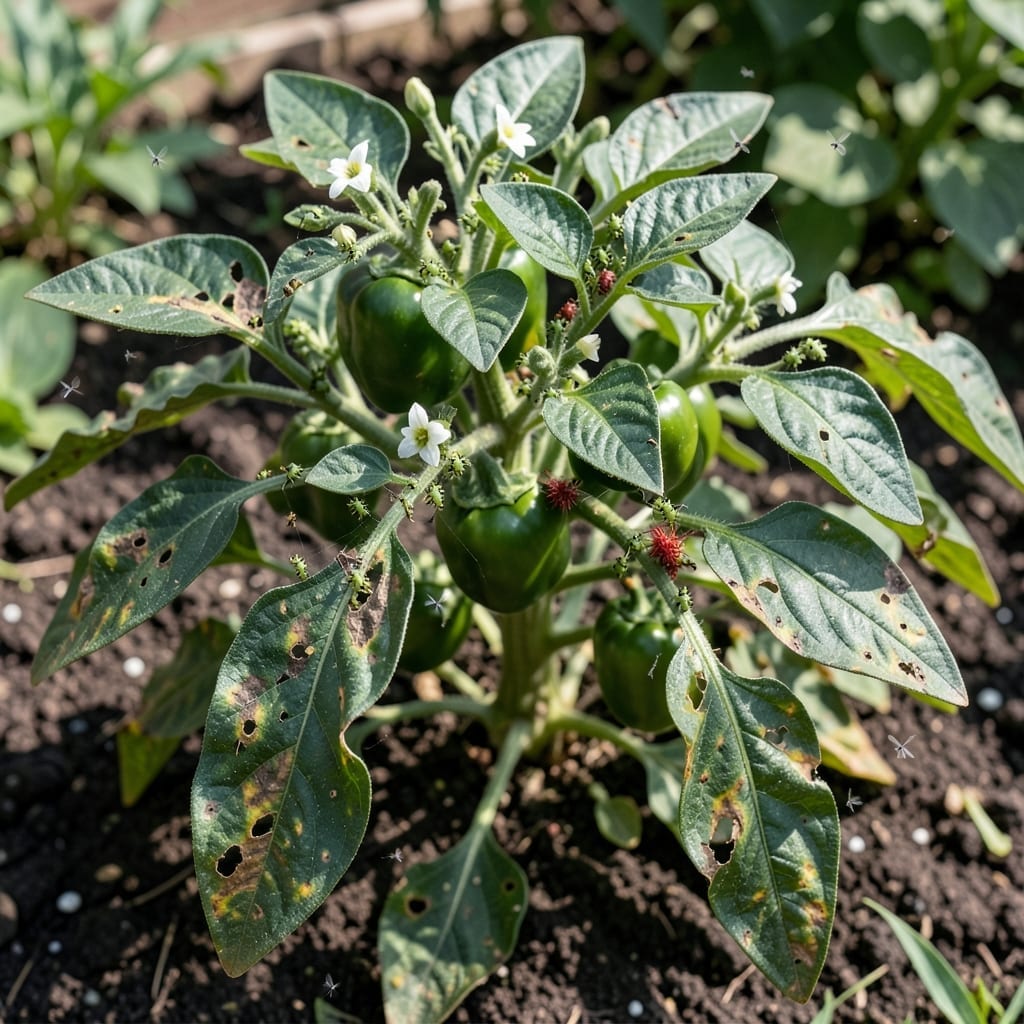
Sweet peppers bring vibrant color and flavor to any garden, but nothing frustrates a grower more than watching pests destroy their hard work overnight. You’ve nurtured your 🌶️ Sweet Pepper plants through spring, only to find chewed leaves or stunted growth.
These uninvited visitors can quickly turn a thriving crop into a struggling one. From tiny aphids to sneaky hornworms, each pest leaves its own telltale signs if you know where to look.
I’ve battled these garden saboteurs myself and discovered that early detection is the key to saving your harvest. The good news? You don’t need harsh chemicals to win this fight.
Discover how to identify the most common Sweet Pepper pests and stop them in their tracks with simple, organic solutions that actually work.
As a gardener, I know how frustrating it can be to see your sweet pepper plants under attack by pests. Early identification is key to protecting your harvest and keeping your garden thriving. 🌱
Some pests are sneaky, while others leave obvious damage signs like chewed leaves or stunted growth. Learning to recognize these invaders helps me take swift action before they spread to other plants. 🌿
| Pest | Visual Signs | Damage Symptoms |
|---|---|---|
| Aphids | Tiny green/black bugs | Curled leaves, sticky residue |
| Pepper Maggots | Small flies, eggs on fruit | Rotten spots on peppers |
| Spider Mites | Webbing, tiny dots | Yellowing leaves, speckling |
| Whiteflies | White flying insects | Yellowing leaves, stunted growth |
| Hornworms | Large green caterpillars | Missing leaves, chewed fruit |
I always check the undersides of leaves for aphids and whiteflies, as they love to hide there. These pests multiply quickly, so I inspect my plants at least once a week during the growing season. ✂️
Aphids are particularly common and can be identified by their pearl-like clusters on new growth. They excrete a sticky substance called honeydew, which can lead to sooty mold if left untreated.
Pepper maggots are more challenging because their damage appears inside the fruit. I look for small punctures on the pepper’s surface, which indicate where the flies laid their eggs.
Spider mites thrive in hot, dry conditions. I watch for fine webbing between leaves and stems, which is a telltale sign of their presence. They cause yellow stippling on the foliage.
Whiteflies are tiny but noticeable when they fly up in a cloud when I disturb the plant. Their feeding causes leaf yellowing and can weaken the plant significantly over time.
Hornworms are the most dramatic pests, often growing up to 4 inches long. They can defoliate a plant overnight, so I remove them by hand when I spot them.
Early detection is my best defense. I use a magnifying glass to spot smaller pests like spider mites and aphids before they become a major problem. 🌿
When I spot pests on my sweet peppers, I reach for organic solutions first. These methods protect my plants without harsh chemicals. Companion planting with basil or marigolds can deter many pests naturally.
I’ve found neem oil to be highly effective against soft-bodied pests like aphids and whiteflies. A weekly spray in the early morning prevents damage while keeping beneficial insects safe. Manual removal works well for larger pests like hornworms.
Introducing beneficial insects like ladybugs and lacewings has been a game-changer in my garden. They prey on aphids and spider mites, reducing the need for any interventions. I release them at dusk for the best results.
Row covers are another tool I swear by for early-season protection. They create a physical barrier against pests while still allowing light and water through. Just
For stubborn infestations, I mix insecticidal soap with water. It’s gentle on plants but tough on pests like whiteflies and mite populations. Always test on a small area first to avoid plant damage.
I also maintain garden hygiene by removing plant debris and weeds. This eliminates hiding spots for pests and reduces their chances of overwintering. A clean garden is a healthier garden with fewer pest problems. Consistency is key with organic methods.
With these approaches, I’ve kept my sweet peppers thriving without resorting to harsh chemicals. The key is early intervention and regular monitoring to catch problems before they escalate. ✂️