
Beautiful Plants For Your Interior
Beautiful Plants For Your Interior
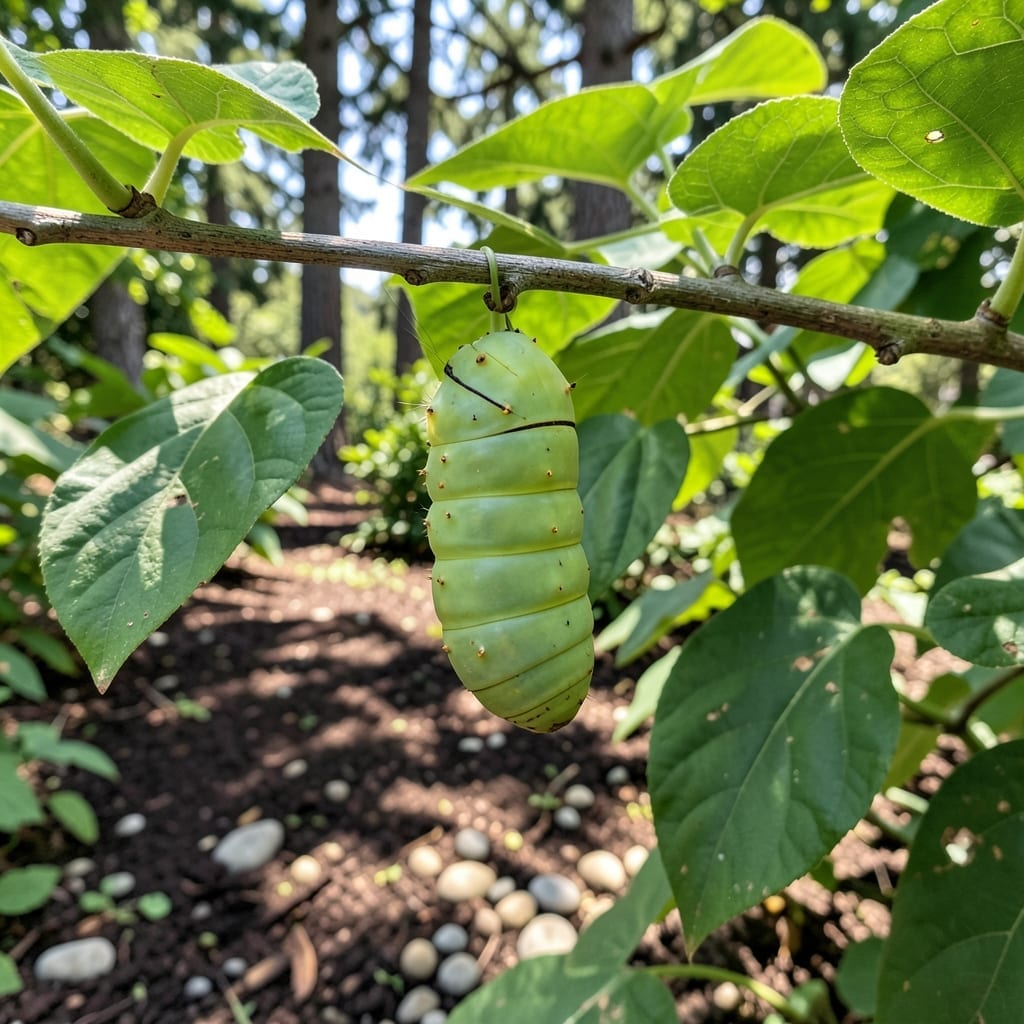
I still remember the first time I spotted a tiny swallowtail chrysalis on my dill plants. That moment changed how I see my garden—it’s not just plants, it’s a living nursery for these incredible insects.
Creating a space for swallowtail butterflies means providing the right host plants like parsley, fennel, or citrus. The pupa stage is the most vulnerable, so knowing where and how they form helps you protect them.
Within 10-14 days, that still, brown chrysalis transforms into a vibrant butterfly ready to pollinate your flowers. The process is quiet but nothing short of magical.
With a few simple adjustments, your garden can become a safe haven for every stage of their life cycle. The reward is watching new generations take flight.
The transformation of a swallowtail caterpillar into a pupa (or chrysalis) is a critical stage in its life cycle, driven by biological and environmental triggers. This process, known as pupation, ensures the caterpillar can safely transition into an adult butterfly. Below are the key reasons why it happens:
As the caterpillar matures, its body produces juvenile hormone (JH) and ecdysone, which regulate growth and development. When JH levels drop, ecdysone signals the caterpillar to stop feeding and begin pupation. This hormonal shift is essential for initiating metamorphosis.
Swallowtail caterpillars are highly sensitive to their surroundings. Shorter daylight hours, cooler temperatures, or a lack of food can trigger pupation. In nature, these cues often align with seasonal changes, ensuring the butterfly emerges when conditions are favorable.
Pupation is a protective mechanism. The chrysalis shields the vulnerable caterpillar from predators and harsh weather while it undergoes its dramatic transformation. This stage also conserves energy, as the caterpillar does not need to eat or move.
Like all butterflies, swallowtails are genetically programmed to complete their life cycle in four stages: egg, larva (caterpillar), pupa, and adult. Pupation is an inevitable part of this process, ensuring the species continues to thrive.
If your swallowtail butterfly pupa isn’t progressing as expected, these practical fixes can help get things back on track.
If caterpillars aren’t pupating, they may lack the right food. Swallowtail larvae are picky eaters—provide fresh host plants like parsley, dill, or citrus leaves. Remove wilted or pesticide-treated foliage immediately. Ensure a steady supply until they’re ready to form a chrysalis.
Prevention Tip: 🌱 Grow organic host plants in advance to avoid last-minute shortages.
Low humidity can cause the pupa to dry out. Mist the habitat lightly 1–2 times daily with room-temperature water, but avoid direct spraying on the chrysalis. Use a hygiene spray bottle for gentle, even coverage.
Prevention Tip: 💧 Place a damp paper towel in the enclosure to maintain 60–70% humidity.
Swallowtail pupae need warmth to develop. If temperatures drop below 70°F (21°C), development slows or stops. Move the enclosure to a warm, indirect-light spot (like a sunny windowsill). Avoid direct sun, which can overheat the pupa.
Prevention Tip: 🌡️ Use a small heat mat (set to 75°F/24°C) under the container for consistent warmth.
If pupae detach too soon, the surface may be too smooth. Offer textured surfaces like sticks, mesh, or crumpled paper for caterpillars to anchor their silk pads. Reattach fallen pupae gently with a dab of non-toxic glue or by propping them against a soft support.
Prevention Tip: ✨ Add natural twigs or bark to the habitat before pupation begins.
Typically 10-14 days in warm conditions, but cooler temperatures can extend this period. Patience is key—disturbing the pupa may harm development.
Leave it undisturbed if possible. If you must move it, gently place it on a secure, textured surface like a stick. Avoid handling it directly.
A darkening chrysalis often signals the butterfly is nearly ready to emerge. However, if it looks shriveled, increase humidity by misting lightly.
Yes, but ensure it has proper ventilation, warmth (70-75°F), and humidity. Avoid direct sunlight or drafts.