
Beautiful Plants For Your Interior
Beautiful Plants For Your Interior
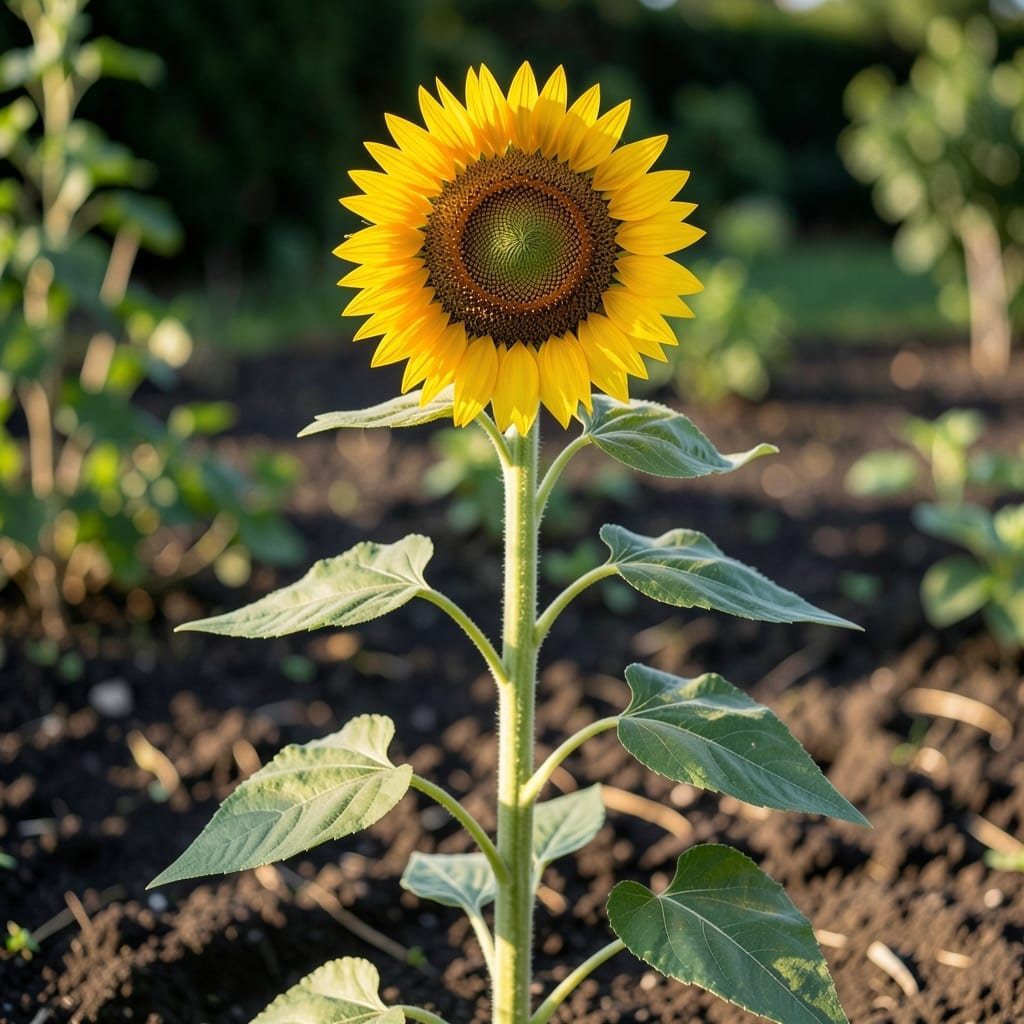
Watching a sunflower go from seed to towering bloom is pure magic. I planted my first batch on a whim and was shocked when they hit 6-foot tall and burst into yellow just 75 days later.
The timeline isn’t fixed—some varieties bloom in 60 days, others take 90. Heat, water, and soil quality speed things up or slow them down. My fastest batch ever came in at 55 days during a hot spell.
You’ll see the first true leaves in about a week. By day 30, stems thicken and buds form. Then comes the rapid growth phase where they can add 6 inches overnight. The payoff? Golden faces tracking the sun by late summer.
Plant early for longer enjoyment. Start seeds indoors 2-3 weeks before your last frost, or direct-sow after the soil warms. Either way, the countdown to those cheerful blooms begins the moment the seed hits dirt.
Sunflower maturity time isn’t set in stone—it’s influenced by a mix of genetics, environment, and care. Here’s a breakdown of the key factors that cause variations in how long your sunflowers take to bloom. 🌱
Sunflowers are highly responsive to their surroundings. Temperature plays a major role: cooler climates slow down metabolic processes, delaying maturity, while consistent warmth (70-78°F) speeds up growth. Sunlight is another critical factor—sunflowers need 6-8 hours of direct sun daily; shaded or cloudy conditions can extend their growth cycle. Even soil temperature matters; seeds planted in cold soil (below 55°F) may germinate slowly or unevenly.
Not all sunflowers are created equal. Dwarf varieties (like ‘Teddy Bear‘) often mature in 50-60 days, while giant types (such as ‘Mammoth’) can take 80-120 days. Hybrid sunflowers, bred for specific traits like early blooming or disease resistance, may also have unique maturity timelines. Always check the seed packet for days-to-maturity estimates tailored to your chosen variety.
Inconsistent watering—either overwatering or drought stress—can stunt growth and delay flowering. Sunflowers thrive in well-draining soil with moderate moisture. Similarly, nutrient deficiencies (especially nitrogen, phosphorus, or potassium) can slow development. A balanced fertilizer applied at planting and mid-growth can help maintain steady progress toward maturity.
Healthy sunflowers grow faster. Pests like sunflower beetles or aphids weaken plants by feeding on leaves and stems, diverting energy away from growth. Fungal diseases (e.g., downy mildew or rust) can also hinder development. Regular monitoring and organic controls (like neem oil or row covers) can minimize these setbacks.
If your sunflowers aren’t maturing on schedule, these targeted fixes can get them back on track. Start by addressing the most common culprits with simple, actionable steps.
Sunflowers thrive in well-draining, nutrient-rich soil. If your plants are stunted, test the soil pH (ideal: 6.0–7.5). Fix: Mix in compost or aged manure to boost organic matter. For a quick nutrient boost, use a balanced 10-10-10 fertilizer, but avoid over-fertilizing with nitrogen, which can delay blooming. Prevention tip: 💡 Prepare the soil with compost before planting to ensure a strong start.
Too much or too little water can stress sunflowers, slowing growth. Fix: Water deeply once or twice a week (1–2 inches per session), allowing the top inch of soil to dry between waterings. Use a soaker hose to avoid wetting the leaves, which can invite disease. Prevention tip: 🌡️ Mulch around the base to retain moisture and regulate soil temperature.
Sunflowers need 6–8 hours of direct sunlight daily. If they’re shaded, growth halts. Fix: Transplant seedlings to a sunnier spot or trim nearby plants blocking light. For container-grown sunflowers, move pots to a south-facing area. Prevention tip: ✨ Plan your garden layout in advance to ensure tall plants won’t overshadow sunflowers.
Aphids, beetles, or fungal infections (like powdery mildew) can weaken plants. Fix: Spray pests off with water or use insecticidal soap. For fungi, remove affected leaves and improve air circulation. Prevention tip: 🎯 Space plants 12–24 inches apart and avoid overhead watering to reduce disease risk.
With these adjustments, your sunflowers should resume their path to full, timely maturity!
Dwarf varieties like ‘Teddy Bear’ typically mature in 50-60 days. They’re perfect for smaller gardens or containers.
Yes! Plant in warm soil (70-78°F), ensure 6-8 hours of sunlight, and maintain consistent watering. Avoid over-fertilizing with nitrogen.
Cooler temperatures, poor soil, or insufficient sunlight can delay maturity. Check your growing conditions and adjust care as needed.
Varieties like ‘Mammoth’ can take 80-120 days, so plant them earlier in the season.