
Beautiful Plants For Your Interior
Beautiful Plants For Your Interior
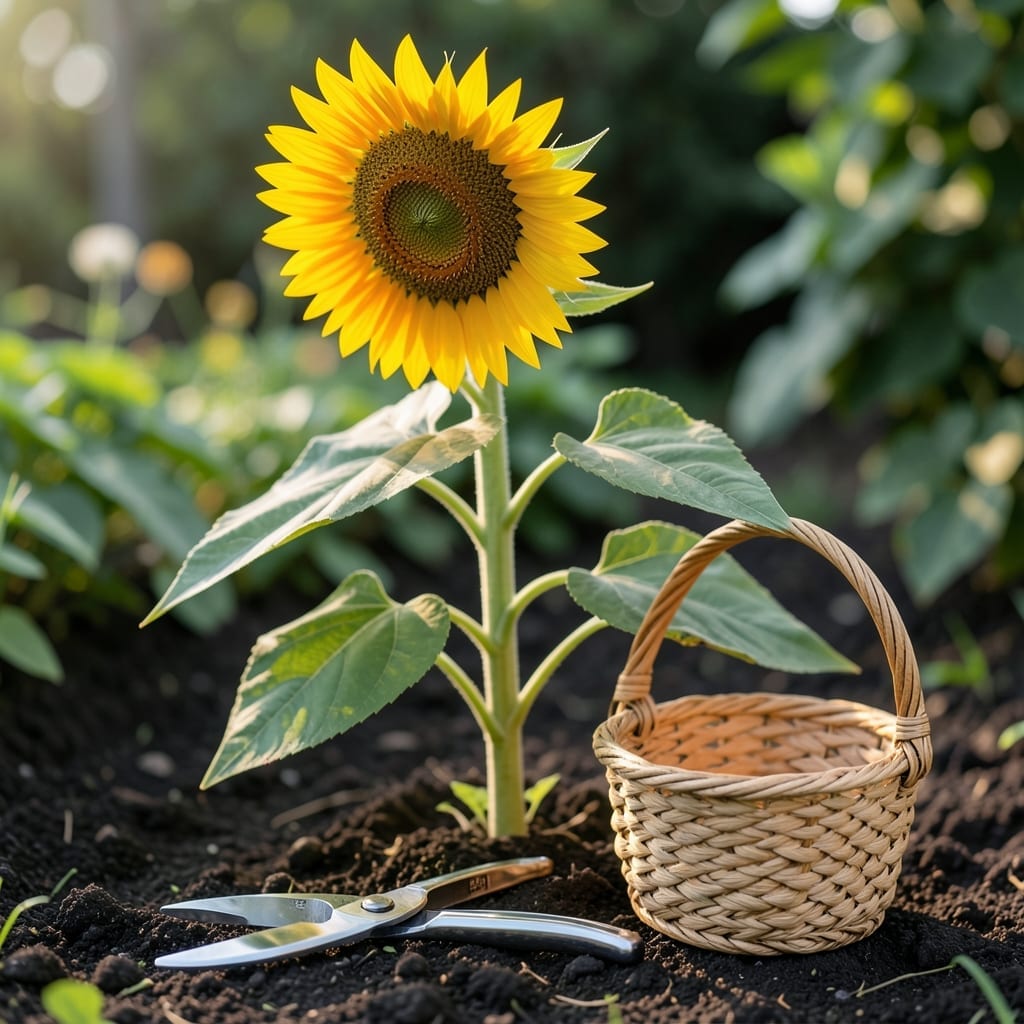
There’s nothing worse than watching your hard-earned Sunflower 🌻 go to waste because you picked it too soon or too late. That perfect moment exists, and missing it means losing out on the best seeds or blooms.
Every gardener knows the frustration of guessing when the time is right. But with a few simple signs, you can take the guesswork out of the equation entirely.
From the back of the flower head turning yellow to seeds that feel plump to the touch, these indicators never lie. I’ll show you exactly what to look for so you never second-guess again.
Whether you’re growing for seeds, cut flowers, or just garden pride, nailing your Sunflower harvest timing makes all the difference. Let’s get it right together.

I always tell fellow gardeners that sunflower harvest time is all about reading the visual cues. The most reliable sign is when the back of the flower head turns from green to yellow or brown. This color change signals that the seeds are maturing inside.
Another clear indicator is the petals wilting and starting to fall off. While it might look sad, this is nature’s way of telling you the seeds are nearly ready. Don’t rush to cut them just yet, though—wait for the head to fully transition.
| Sign | Description |
|---|---|
| Back Color Change | Turns yellow or brown |
| Petals | Drying and falling off |
| Seeds | Plump and firm to touch |
| Stem | Drying and browning |
The seeds themselves will also give you clues. When they’re ready, they’ll feel firm and plump when you press them. If they’re still soft or squishy, they need more time. I like to test a few by gently rubbing them—if they dislodge easily, they’re ready.
Don’t overlook the stem condition. As sunflowers mature, the stem just below the head will start to turn brown and dry. This is a great secondary sign that confirms the head is ready for harvest. If the stem is still green and juicy, wait a little longer.
For cut sunflowers, harvest when the petals are just starting to open. This ensures the longest vase life. But for seed harvesting, you’ll want to wait until the signs above are all present. Patience really pays off here.
I’ve found that morning harvesting works best. The seeds are less likely to shatter, and the heads are easier to handle. Use sharp pruners to cut the stem about 12 inches below the head to give yourself room to work.
If you’re growing multiple sunflower varieties, keep in mind that dwarf types may mature faster than giant varieties. Always check each head individually, as even plants of the same type can vary slightly in their harvest readiness.
One last tip: birds love sunflower seeds as much as we do! If you notice birds starting to peck at your heads, it’s a sure sign they’re ripe. Consider covering the heads with breathable bags if you want to protect your harvest from hungry visitors.
By paying close attention to these visual and tactile signs, you’ll never miss the perfect sunflower harvest time again. It’s amazing how much difference a few days can make in the quality of your seeds! 🌻
Not all sunflowers are created equal when it comes to harvest time. Different varieties mature at different rates, making it essential to know your specific type.
Mammoth sunflowers typically need 80-120 days to mature, while smaller varieties like Teddy Bear may be ready in just 60-70 days. This variation can catch even experienced gardeners off guard.
| Variety | Days to Maturity | Harvest Sign |
|---|---|---|
| Mammoth | 80-120 days | Back turns yellow-brown |
| Autumn Beauty | 70-90 days | Petals dry and fall |
| Teddy Bear | 60-70 days | Seeds plump and loose |
The Autumn Beauty variety often shows its readiness with drying petals that start to drop. This is your cue to check the seeds for plumpness and firmness.
For dwarf varieties, don’t let their size fool you. They often mature faster but still need the same visual checks as their taller cousins. Look for that yellow back and dry stem.
I always recommend marking your calendar when you plant. This gives you a general window to start checking for these signs. But remember, nature doesn’t always follow our schedules perfectly.
Whether you’re growing for seeds or cut flowers, the variety makes a difference. Mammoths are seed giants, while Teddy Bears are perfect for bouquets. Know your goal before you harvest. ☀️