
Beautiful Plants For Your Interior
Beautiful Plants For Your Interior
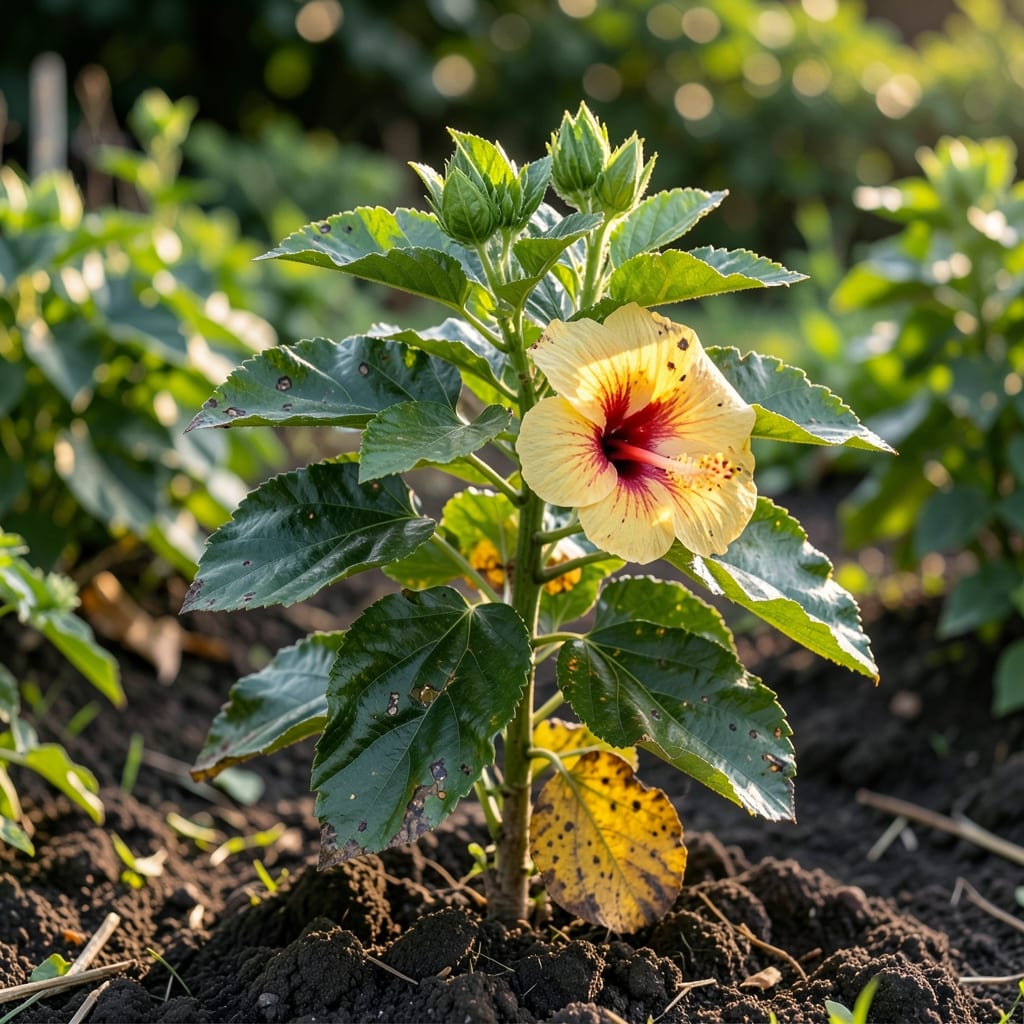
White, crispy patches on your hibiscus leaves aren’t just ugly—they’re a distress signal. I’ve lost count of how many plants I’ve saved by catching sunburn early, and the fix is simpler than you’d think.
Hibiscus thrive in bright light, but too much direct sun fries the leaves like paper. The damage happens fast, especially with sudden exposure changes. Move potted plants gradually, or provide afternoon shade for those in the ground.
Once you spot the bleached spots, act fast. Trim the worst leaves, increase water slightly, and shield the plant. Within a week, you’ll see new growth replacing the damaged foliage.
Prevention is key: know your plant’s limits. Even sun-loving varieties need protection during peak heat. This approach works for all hibiscus types, from tropical to hardy varieties.
Sunburned hibiscus leaves are a clear sign of environmental stress, often tied to excessive light exposure or inadequate plant protection. Below are the primary causes, explained with actionable insights.
Hibiscus thrives in bright, indirect light. When exposed to prolonged, unfiltered sunlight—especially during peak hours (10 AM–4 PM)—the leaves’ chlorophyll breaks down, leading to bleached or crispy patches. This is common in hot climates or south-facing windows without shade.
High temperatures alone won’t sunburn leaves, but dry heat + insufficient water accelerates damage. Hibiscus roots struggle to absorb moisture in extreme heat, leaving foliage vulnerable. Wilting or yellowing edges often precede sunburn if the plant is drought-stressed.
Moving a hibiscus from shade to full sun too quickly shocks its system. The leaves lack time to develop protective pigments (like carotenoids), making them prone to UV damage. Acclimate plants gradually over 7–10 days to prevent this.
Light bouncing off windows, patios, or white walls intensifies UV exposure, creating hotspots that burn leaves. Even indirect light can become harmful in highly reflective environments. Use sheer curtains or relocate pots to diffuse this effect.
If your hibiscus leaves are looking crispy or bleached, don’t panic—there are simple ways to nurse them back to health. Here’s how to tackle each cause and prevent future stress.
Fix: Move potted hibiscus to a spot with bright, indirect light, like under a tree or patio cover. For in-ground plants, create shade with a temporary cloth or taller companion plants. Trim the most damaged leaves to redirect energy to healthy growth.
Prevent it: Acclimate plants gradually to sunlight, especially young or newly transplanted hibiscus.
Fix: Water deeply at the base in the early morning to hydrate roots before the heat kicks in. Avoid wetting the leaves, which can intensify sunburn. Mulch around the base with organic material (like wood chips) to retain moisture.
Prevent it: Keep soil consistently moist but not soggy. Check the top inch of soil daily—if it’s dry, it’s time to water.
Fix: Apply a balanced, water-soluble fertilizer (10-10-10 or 20-20-20) to restore vitality. For organic options, use compost tea or fish emulsion. Focus on magnesium if leaves show yellowing between veins—Epsom salt (1 tbsp per gallon of water) works wonders.
Prevent it: Feed hibiscus every 2-4 weeks during the growing season.
No, damaged leaves won’t heal, but the plant will grow new ones. Trim the worst leaves to redirect energy to healthy growth. New foliage should appear within 1-2 weeks with proper care.
Use a 30-40% shade cloth or move potted plants to dappled shade. For in-ground plants, taller companion plants or a temporary umbrella can provide relief during peak hours.
Water deeply at the base in the early morning. This allows roots to absorb moisture before the heat of the day and prevents evening dampness that can attract pests.
Yellowing often indicates stress from heat or nutrient deficiency. If combined with crispy edges, it’s likely sunburn. Check soil moisture and consider a balanced fertilizer to support recovery.