
Beautiful Plants For Your Interior
Beautiful Plants For Your Interior
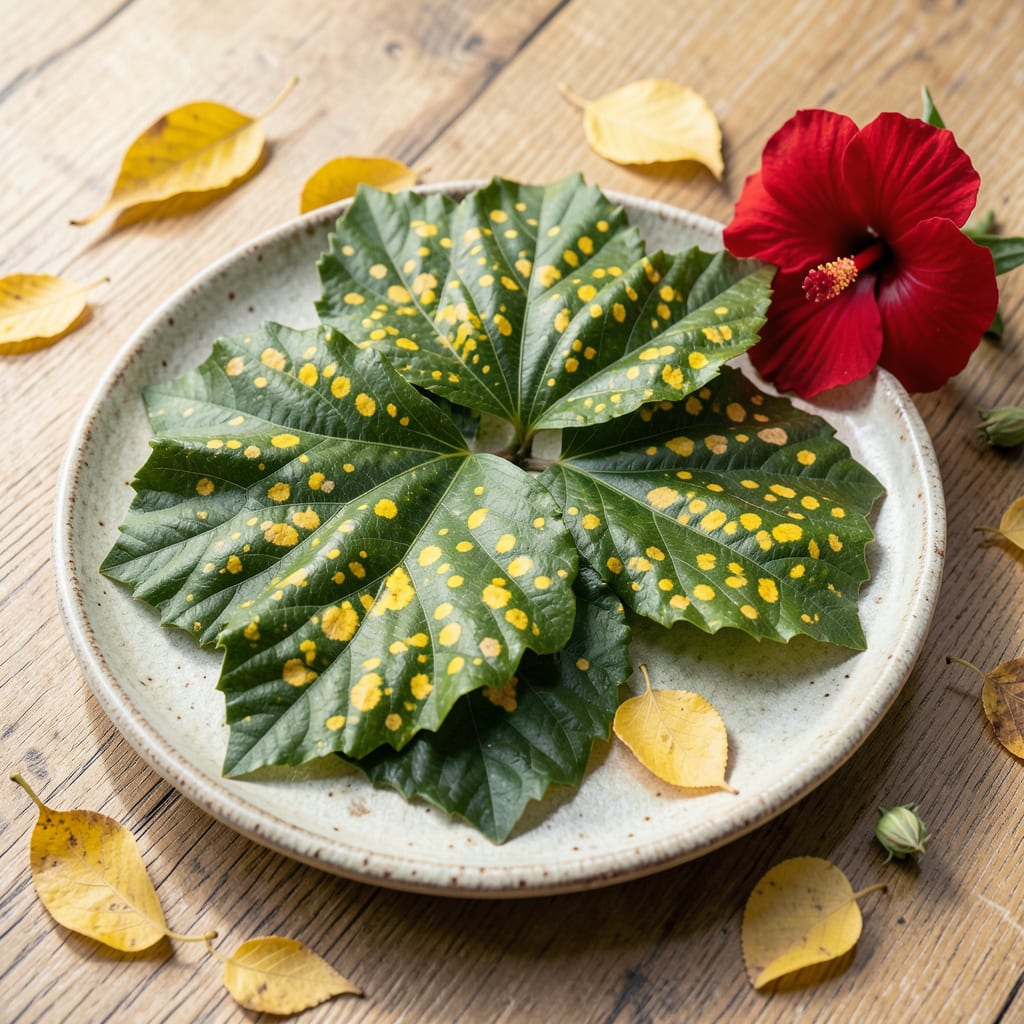
Those yellow spots on your hibiscus leaves aren’t just unsightly—they’re a message. I’ve seen this pattern dozens of times, and the good news is it’s usually fixable.
Whether it’s a sneaky fungal infection or your plant simply craving iron, the solution starts with knowing what you’re dealing with. Most cases clear up within 2-3 weeks once you address the root cause.
You’ll learn to tell the difference between nutrient shortages and disease by the spot pattern and location. Then we’ll tackle the fix with simple, targeted steps.
Works for potted plants, garden shrubs, and tropical varieties alike. Let’s get your hibiscus back to its vibrant green self.
Yellow spots on hibiscus leaves often stem from environmental stress, pathogens, or care gaps. Below are the most common triggers, explained with actionable insights.
Fungi like Cercospora or Phyllosticta thrive in wet, humid conditions, creating circular yellow halos or brown centers. Spores spread via water splashes, so overhead watering or poor airflow accelerates outbreaks. Fix: Prune infected leaves, improve circulation, and apply copper-based fungicides at first signs.
Root rot from soggy soil restricts nutrient uptake, causing chlorotic (yellow) spots as leaves starve. Hibiscus prefer moist but well-draining soil. Fix: Let the top 1–2 inches dry between waterings, and ensure pots have drainage holes.
Lack of magnesium (interveinal yellowing) or potassium (yellow edges) often manifests as spots. Sandy or waterlogged soils leach nutrients faster. Fix: Test soil pH (hibiscus prefer 6.0–7.0) and amend with compost or a balanced fertilizer (e.g., 10-10-10).
Intense sunlight or sudden temperature spikes scorch leaves, leaving bleached or yellow patches. Fix: Provide afternoon shade in extreme heat and acclimate plants gradually to new light conditions.
Spider mites or aphids sap plant juices, causing stipled yellow spots. Check leaf undersides for webbing or tiny insects. Fix: Blast pests off with water or use insecticidal soap.
Tackling yellow spots on hibiscus leaves starts with identifying the root cause. Below are targeted fixes for the most common issues, along with prevention tips to keep your plant thriving.
If the spots are circular, brownish-yellow, and spreading, a fungicide is your best bet. Fix: Apply a copper-based fungicide or neem oil spray every 7–10 days until the spots disappear. Remove and destroy heavily infected leaves to prevent spread. Prevention: Improve air circulation around the plant, avoid overhead watering, and water early in the day so leaves dry quickly.
Yellow spots with a soggy feel or blackened edges often signal excess moisture. Fix: Let the soil dry out between waterings. Repot the hibiscus in well-draining soil if the current mix stays wet. Trim any mushy roots to prevent rot. Prevention: Use a pot with drainage holes and a soil mix containing perlite or sand.
Pale yellow spots between leaf veins may indicate a lack of iron, magnesium, or nitrogen. Fix: Use a balanced, water-soluble fertilizer (e.g., 10-10-10) or a chelated iron supplement for iron deficiency. Follow package instructions for dosage. Prevention: Fertilize every 4–6 weeks during the growing season and test soil pH (hibiscus prefers slightly acidic soil, 6.0–6.5).
Tiny yellow spots or stippling can be a sign of spider mites or aphids. Fix: Spray the plant with insecticidal soap or a mix of water and dish soap (1 tsp per quart). Repeat every 3–5 days until pests are gone. Prevention: Inspect leaves regularly and introduce beneficial insects like ladybugs.
💡 Pro Tip: Always sterilize pruning tools with rubbing alcohol between cuts to avoid spreading disease. Healthy hibiscus plants are less susceptible to issues, so maintain consistent care!
Fungal spots usually appear as circular yellow halos with brown centers. They spread quickly in wet conditions. Check for a musty smell or powdery residue on leaves.
Water deeply at the base in the morning, avoiding leaves. Let the top 1-2 inches of soil dry between waterings. This prevents fungal growth and root rot.
Yes, if caused by fungal infections or pests. Isolate affected plants and sterilize tools after pruning. Avoid overhead watering to limit spore spread.
Not usually. Address the underlying issue (nutrients, pests, or fungus) first. New leaves will grow healthy, but existing spots won’t disappear.
