
Beautiful Plants For Your Interior
Beautiful Plants For Your Interior
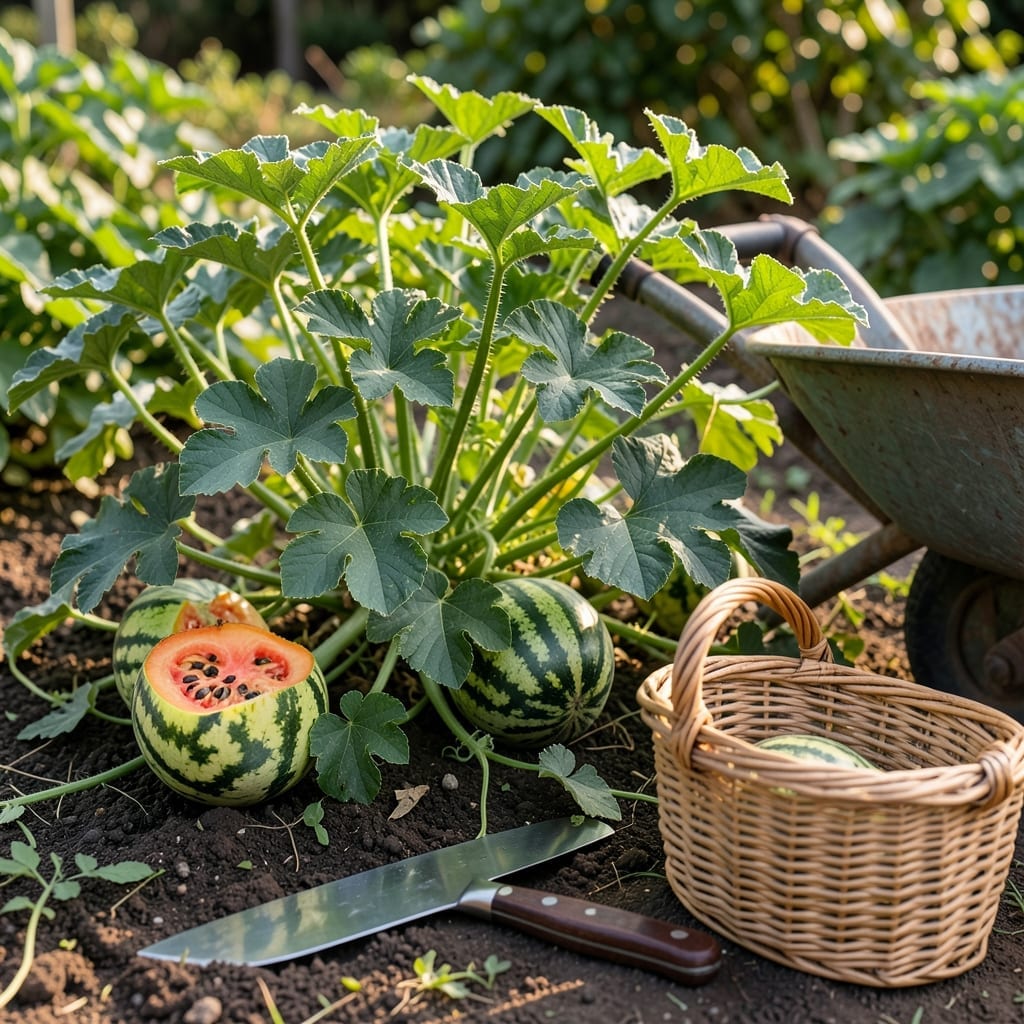
There’s nothing quite like the satisfaction of picking a perfectly ripe 🍉 Sugarbaby Watermelon from your own garden. But knowing the exact moment to harvest can be tricky for even experienced growers.
Unlike store-bought options, homegrown Sugarbaby Watermelons require you to look for subtle clues. The difference between a juicy success and a watery disappointment often comes down to spotting these signs.
I’ll walk you through the most reliable methods to check for ripeness, from stem slip to rind hardness. These aren’t just old wive’s tales – they’re time-tested techniques that work.
Whether you’re new to gardening or have been growing for years, these tips will help you harvest your Sugarbaby Watermelon at its absolute peak of flavor and sweetness.

I always tell gardeners that the stem slip method is the most reliable way to check Sugarbaby watermelon ripeness. When the melon is ready, the stem will dry out and detach easily from the vine. This happens as the fruit matures and the plant stops sending nutrients to it.
To test for stem slip, gently press your thumb against the stem where it connects to the vine. If it pops off cleanly, your watermelon is ripe. If it resists or bends, give it a few more days in the garden.
🌱 Pro Tip: Stem Slip
The stem slip is nature’s way of telling you the Sugarbaby watermelon has finished growing. A brown, dry stem means it’s time to harvest.
One common mistake I see is pulling the stem too hard. This can damage the vine or even ruin the melon. Instead, use a gentle touch—just enough pressure to see if the stem gives way naturally.
If the stem is still green and flexible, your watermelon isn’t ready. The plant is still feeding it, and the sugars inside haven’t fully developed. Patience is key here—rushing the harvest can lead to bland fruit.
Another sign to watch for is the tendril near the stem. This curly little vine will start to turn brown and dry up as the melon ripens. It’s not as definitive as stem slip, but it’s a good secondary indicator.
I like to check both the stem and the tendril together. If the tendril is brown and the stem slips easily, I’m confident the melon is at its peak. If only one of these signs is present, I’ll wait another day or two before checking again.
Remember, Sugarbaby watermelons typically mature in 75-85 days after planting. If you’ve hit that timeline and the stem isn’t slipping yet, don’t panic. Weather and growing conditions can affect the exact timing.
The stem slip method works best on sunny days. Wet or humid conditions can make the stem appear more attached than it really is. Always check when the vine is dry for the most accurate results.
If you’re still unsure, combine the stem slip test with the rind hardness and ground spot checks. A ripe Sugarbaby will have a hard rind that resists scratching and a yellow ground spot where it touched the soil.
With practice, you’ll get a feel for when your Sugarbabies are ready. Trust the stem slip—it’s the most foolproof method I’ve found in my years of gardening.
The rind hardness test is my go-to method for confirming Sugarbaby watermelon ripeness. Unlike some varieties, these melons develop a firm, dull rind when ready, resisting light scratches from your fingernail.
I always start by gently pressing the blossom end (opposite the stem) with my thumb. A ripe Sugarbaby will feel slightly firm but not rock-hard like an unripe one.
An unripe Sugarbaby will have a shiny, smooth rind that’s easy to scratch. The color will also be more vibrant. As it ripens, the surface becomes matte and harder to mark.
I find this test works best when combined with the stem slip method. If both the stem is slipping and the rind is firm, you’re likely looking at a perfectly ripe watermelon ready for harvest.
Remember that overripe melons may have a rind that’s too soft or gives way under pressure. The sweet spot is that firm but not rock-hard feeling.
This method takes a bit of practice, but after testing a few melons, you’ll develop a feel for what perfect ripeness is. Trust your fingers – they’re often more accurate than any tool 🌱