
Beautiful Plants For Your Interior
Beautiful Plants For Your Interior
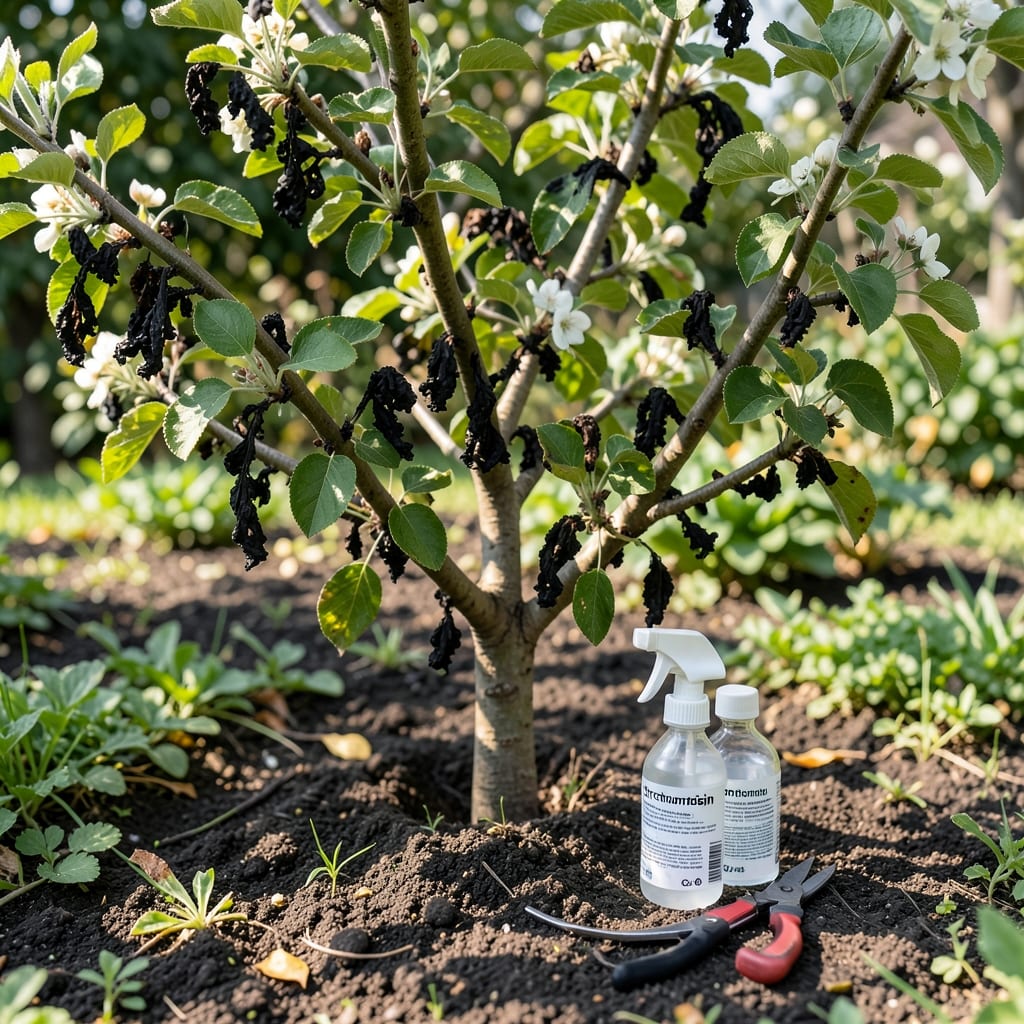
Blackened branches and shriveling leaves signal fire blight’s unwelcome arrival. I lost three pear trees before learning to spot the early signs—overnight wilting, oozing cankers, and that distinctive burnt appearance.
Streptomycin spray stops the bacteria in its tracks when applied at first symptom. The timing’s everything: hit it during bloom or at the first sign of infection. Most gardeners see immediate halt to spreading within 24-48 hours.
Organic alternatives exist for those avoiding chemicals. Copper sprays work preventatively, while pruning infected limbs 6-8 inches below visible damage removes the threat entirely. Always sterilize tools between cuts.
Healthy trees start with vigilance. Regular inspection catches problems before they escalate, saving you seasons of heartache and lost harvests.
Fire blight, caused by Erwinia amylovora, can sometimes worsen or appear resistant to streptomycin treatment. Understanding why this happens is key to managing the disease effectively. Below are the primary causes:
Overuse or improper application of streptomycin can lead to bacterial resistance. When the same antibiotic is applied repeatedly, E. amylovora strains may develop genetic mutations that reduce their susceptibility. This makes the treatment less effective over time. To prevent this, rotate antibiotics or integrate copper-based sprays as alternatives.
Warm, wet weather (65–80°F with rain or high humidity) creates ideal conditions for fire blight to thrive. Streptomycin works best as a preventative, but if applied during or after infection spikes, its efficacy drops. Monitor forecasts and apply before rain events to maximize protection.
Streptomycin must be applied at the right growth stage—typically at early bloom or shoot emergence. Late applications allow the bacteria to establish itself. Additionally, incomplete coverage (missing branches or undersides of leaves) leaves entry points for the pathogen. Use a fine-mist sprayer for even distribution.
Some tree varieties (e.g., certain apple or pear cultivars) are more prone to fire blight. Even with streptomycin, highly susceptible plants may succumb if other stressors (drought, poor pruning) weaken them. Choose resistant rootstocks and maintain tree vigor through proper pruning and nutrition.
Fire blight can be devastating, but with the right approach, you can stop its spread and protect your trees. Below are targeted solutions for each cause, along with prevention tips to keep your orchard healthy.
Fix: Apply streptomycin-based sprays during bloom or shoot growth stages, as this antibiotic effectively suppresses Erwinia amylovora. Spray in the evening to avoid bee toxicity and reapply after rain. Prune infected branches at least 8–12 inches below visible damage, sterilizing tools with rubbing alcohol between cuts.
Prevent: 💡 Avoid overhead irrigation to reduce bacterial spread. Plant resistant varieties like ‘Liberty’ apple or ‘Moonglow’ pear.
Fix: Improve air circulation by thinning branches and removing weeds around the base. Apply copper fungicides in late dormancy as a protective barrier.
Prevent: ✨ Space trees properly during planting and prune annually to maintain an open canopy.
Fix: Immediately remove and destroy all infected wood (do not compost). Make clean cuts at a 45-degree angle, and avoid pruning during wet weather.
Prevent: 🌿 Sterilize pruning tools with a 10% bleach solution or isopropyl alcohol before and after use.
Fix: Boost tree health with balanced fertilization (avoid excess nitrogen) and deep watering during dry spells. Remove and replace severely weakened trees to prevent reinfection.
Prevent: 💪 Maintain consistent watering and mulch to retain soil moisture and reduce stress.
Early action and proactive care are key to managing fire blight. Combine treatments with good cultural practices for long-term resilience.
Apply every 4-7 days during bloom or when new shoots emerge. Reapply after rain, as water can wash away the protection. Always follow label instructions for exact timing.
Avoid spraying during daytime when bees are active. Apply in the evening or early morning to minimize harm. Consider bee-friendly alternatives if hives are nearby.
Prune infected branches 8-12 inches below visible damage and sterilize tools between cuts. Rotate treatments with copper sprays to prevent resistance.