
Beautiful Plants For Your Interior
Beautiful Plants For Your Interior
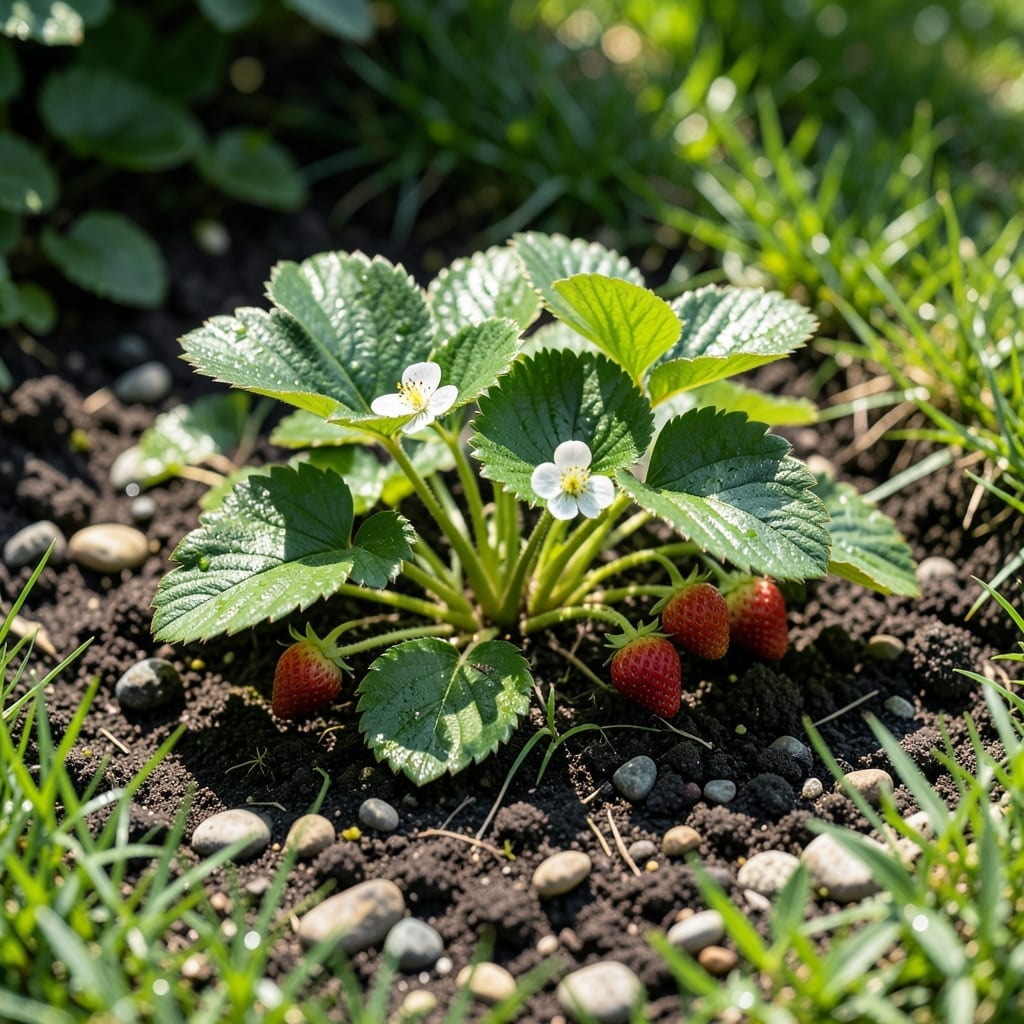
I used to think strawberry plants were delicate, but 🍓 Strawberry varieties across zones 4-9 prove surprisingly tough. Their ability to handle temperature swings is what makes them so rewarding to grow.
What surprises most gardeners is how well they adapt to both chill and heat. The key lies in understanding their limits during each growth stage, from dormancy to fruiting.
I’ve seen firsthand how the right knowledge can mean the difference between a thriving patch and a struggling one. Whether it’s an unexpected frost or a summer heatwave, there are simple ways to protect your plants.
Let me show you exactly how to give your strawberries the best chance, no matter what the weather throws at them.


I’ve found that strawberry plants thrive best in temperatures between 60°F and 80°F during their active growing season. This range supports healthy foliage, flowering, and fruit development without stressing the plant. Each growth stage has its own sweet spot for temperature. ☀️
During dormancy in winter, strawberries can tolerate temperatures as low as 20°F to 30°F, especially cold-hardy varieties. However, prolonged exposure below 15°F can damage roots and crowns, so protection is often necessary. 🌡️
In hot climates, I recommend providing afternoon shade when temperatures exceed 85°F. This helps prevent sunscald on berries and reduces water stress. Mulching with straw can also keep soil temperatures more stable.
For cold climates, planting in raised beds can improve drainage and warm the soil faster in spring. Using row covers in early spring can protect blossoms from unexpected late frosts that often occur in USDA zones 4 and 5. ✂️
Container-grown strawberries offer more control over temperature. I’ve had success moving pots to shadier spots during heatwaves or into a garage during hard freezes. This flexibility is ideal for gardeners in areas with unpredictable weather.
Remember that soil temperature matters as much as air temperature. Strawberries prefer soil temps between 55°F and 70°F for best growth. In early spring, black plastic mulch can help warm the soil faster.
Monitoring local weather forecasts is crucial, especially during blooming and fruiting periods. A sudden temperature drop or heatwave can significantly impact your harvest if you’re not prepared to act quickly. 🌱
Strawberry plants can handle a wide temperature range, but extremes require intervention. I’ve seen frost damage at 28°F (-2°C) and heat stress above 85°F (29°C) stunt growth. Protection is key for thriving plants.
Timing matters most with seasonal shifts. Early spring frosts can kill blossoms, while summer heatwaves scorch fruit. I always monitor forecasts to act fast.
For cold protection, I layer 4-6 inches of mulch around plants. This buffers soil temps and prevents root freeze. Remove it gradually in spring to avoid smothering new growth.
In hot climates, drip irrigation beats overhead watering. It keeps foliage dry, reducing disease risk while cooling roots. I aim for 1-2 inches weekly, more if temps spike.
Container growers have an advantage. I move pots to shade during heatwaves or group them for warmth in cold spells. Just ensure containers have drainage holes to prevent rot.
Finally, choose varieties suited to your zone. June-bearing types handle cold better, while day-neutrals tolerate heat. Always check USDA zone ratings before planting.
☀️