
Beautiful Plants For Your Interior
Beautiful Plants For Your Interior
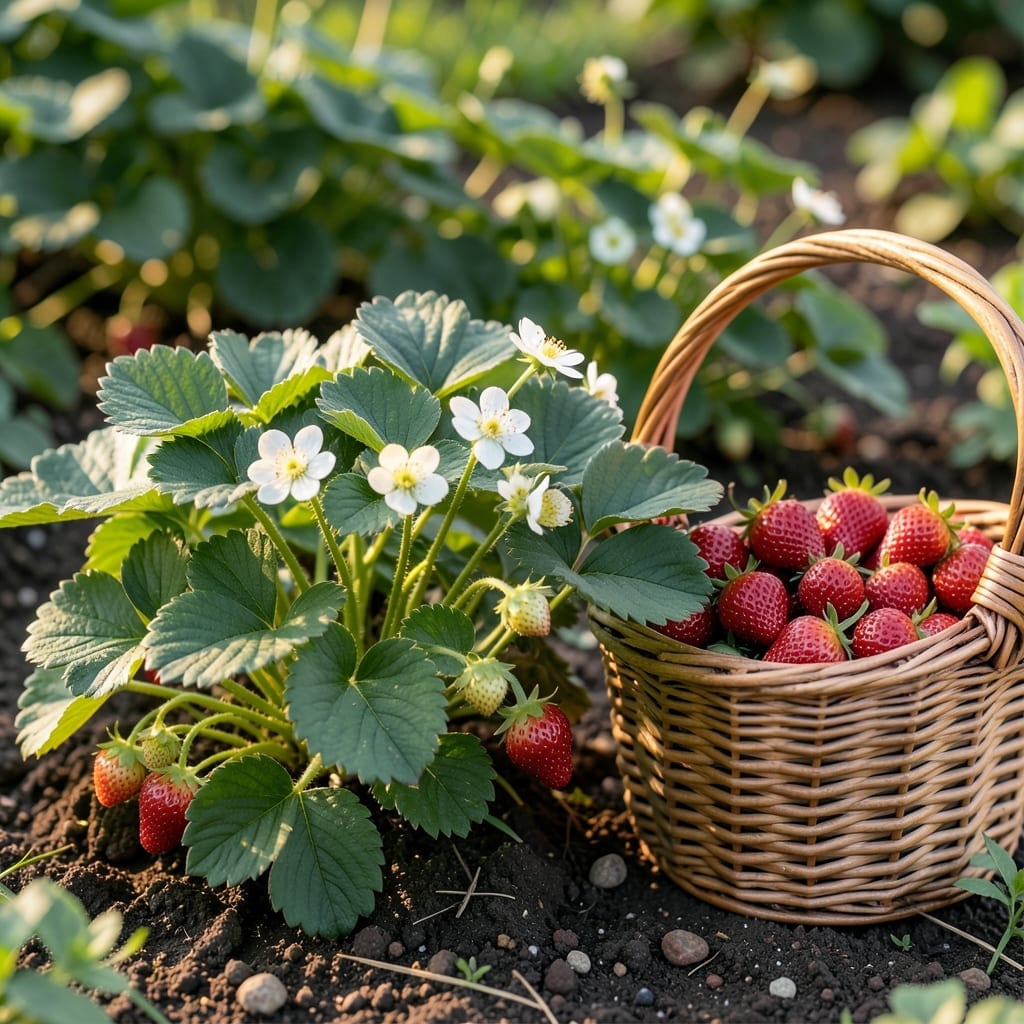
Nothing beats the taste of sun-ripened 🍓 Strawberry picked at peak sweetness. I remember my first harvest – the difference between store-bought and homegrown was incredible.
Timing is everything when it comes to these berries. In zone 6, the window typically falls between May and June, but several factors can shift this.
I’ll show you how to read your plants and conditions for that perfect pick. The signs are subtle but unmistakable once you know what to look for.
Discover the simple techniques that will transform your harvest from good to extraordinary. Let’s get started on this sweet journey.


The strawberry harvest season depends on your climate zone and the strawberry type you’ve planted. In warmer USDA zones 7-10, you may start picking as early as March or April, while cooler zones 3-6 typically see harvests in May or June. 🌱
June-bearing strawberries produce one large harvest in late spring to early summer. Everbearing varieties yield 2-3 smaller crops from spring to fall, and day-neutral types produce continuously in mild climates. Each has unique timing needs. 🌿
| Variety | USDA Zone | Harvest Window |
|---|---|---|
| June-bearing | 3-6 | Late May – Early July |
| June-bearing | 7-10 | March – May |
| Everbearing | All | Spring, Summer, Fall |
| Day-Neutral | 5-10 | April – October |
Microclimates also play a role. A south-facing slope may ripen berries 1-2 weeks earlier than a shady north side. Container-grown strawberries often mature faster due to warmer soil in pots. ☀️
In coastal areas, cooler summers can delay harvest until July. Meanwhile, desert regions with hot springs might see an early harvest by late March. Always monitor local conditions closely.
Frost dates impact timing too. In zone 5, a late frost can push harvest back by 1-2 weeks. Row covers can protect blossoms from cold snaps, ensuring a timely crop.
For June-bearing types, the first harvest usually comes 4-6 weeks after full bloom. Everbearing and day-neutral varieties may start producing just 30 days after planting if conditions are ideal.
I’ve found that mulching with straw can speed up ripening by retaining soil warmth. Drip irrigation also helps maintain consistent moisture, which is key for even fruit development.
If you’re in USDA zone 8, you might enjoy two harvests from everbearing plants: one in late spring and another in early fall. Day-neutral strawberries can produce all season long in milder areas.
Remember, berry size and sweetness can vary with weather patterns. A cool, rainy spring may yield smaller but sweeter fruit, while hot, dry conditions can produce larger but less flavorful berries.
I always check for uniform red color first when inspecting my strawberries. A berry with green or white patches isn’t ready yet, no matter how tempting it looks. The transformation from green to red happens gradually, so patience pays off.
The touch test is equally important. A ripe strawberry will have a slight give when gently pressed. If it feels rock hard, it needs more time on the plant. This simple tactile check prevents many premature picks.
I’ve learned that morning harvesting yields the sweetest berries. The cool overnight temperatures help concentrate the sugars. Plus, the berries are firmer in the morning, making them easier to pick without damage.
The aroma test is my secret weapon. Ripe strawberries have a distinct sweet smell near the stem. If you don’t notice any scent, the berry likely isn’t at its peak flavor yet.
Remember that size doesn’t equal ripeness. Some of my smallest strawberries have been the sweetest. Focus on the color, texture, and smell rather than just the size of the berry.
Finally, I always use sharp scissors or my fingernails to avoid damaging the plant. Pulling berries can harm the crown and reduce future yields. A clean cut ensures both the plant and remaining berries stay healthy.
✂️