
Beautiful Plants For Your Interior
Beautiful Plants For Your Interior
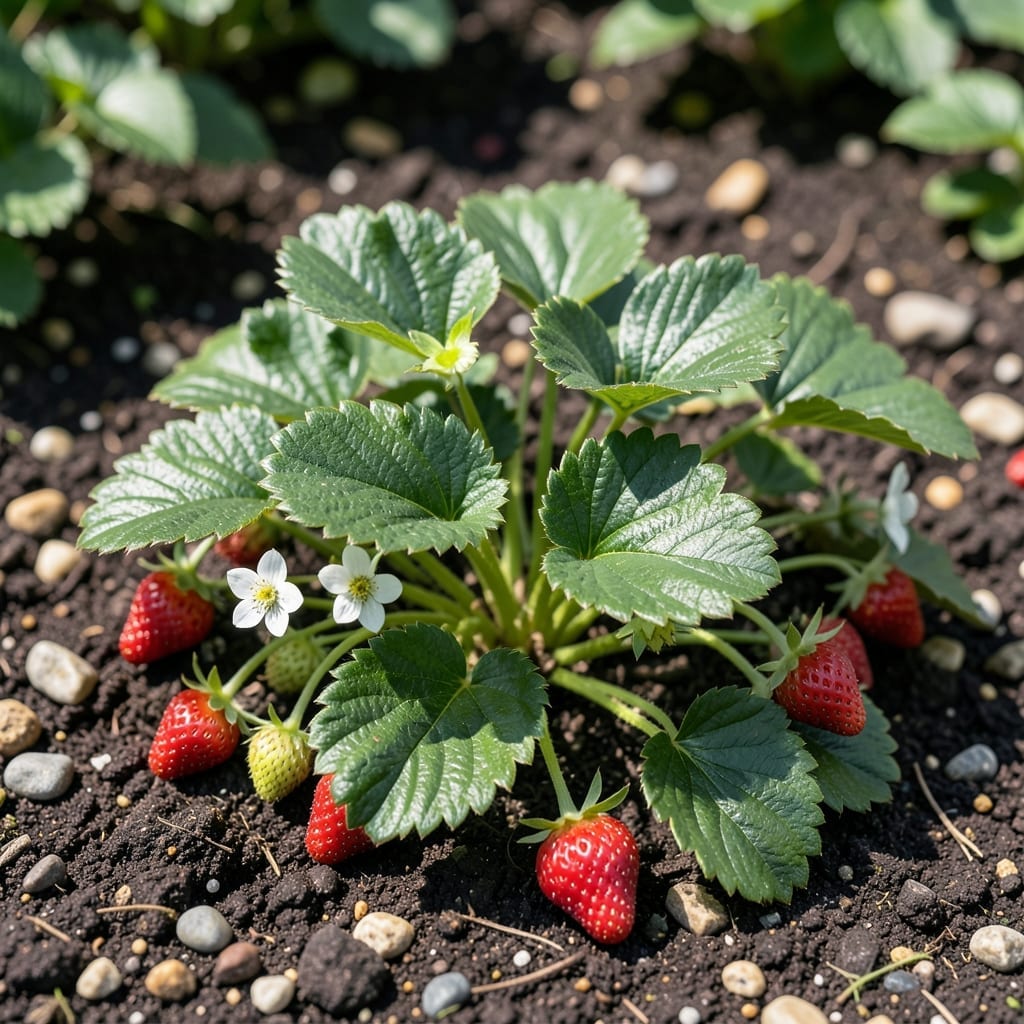
There’s something magical about watching a tiny plant transform into a fruit-bearing powerhouse. With the 🍓 Strawberry, that journey from planting to harvest is both fascinating and rewarding.
I’ve learned that understanding each phase of growth makes all the difference. It’s not just about putting seeds in soil and hoping for the best.
From the first sprouts in spring to the moment you pluck that first ripe berry, every stage has its own needs. And trust me, knowing these can double your harvest.
Let me walk you through the complete timeline and show you how to optimize each phase for the juiciest results.


I’ve found that understanding the strawberry growth cycle transforms how you care for these plants. Each phase, from dormancy to runner production, demands specific attention to thrive. Let me walk you through what to expect and how to nurture your plants at every turn.
First comes dormancy, typically in winter when plants rest. This is when I focus on protecting crowns from frost with a thick layer of straw mulch. It’s a quiet phase, but crucial for spring vitality.
| Stage | Key Action | Duration |
|---|---|---|
| Dormancy | Apply mulch for protection | Winter months |
| Flowering | Ensure full sun and water | 4-6 weeks |
| Fruiting | Monitor for pests and disease | 3-4 weeks |
| Runner Production | Prune runners for energy | Post-harvest |
When spring arrives, your strawberries will break dormancy and enter the flowering stage. I make sure my plants get 6+ hours of sun daily and keep the soil consistently moist. This is when those delicate white blossoms appear, promising future fruit.
The fruiting stage is the most exciting part! Berries start as tiny green nodes behind the flowers. I check daily for pests like slugs and ensure the soil stays evenly moist. It takes about 3-4 weeks for berries to ripen fully.
Once harvesting slows, your plants may produce runners—long stems with baby plants at the tips. I prune excess runners to direct energy back to the mother plant, unless I want to propagate new ones. This keeps the parent plant strong for next year.
For June-bearing strawberries, this cycle happens once per year. But everbearing and day-neutral varieties can produce multiple harvests. I’ve noticed these types need more regular feeding to sustain their extended fruiting periods.
I always remind myself that soil health is key. A well-draining mix with plenty of organic matter supports all growth stages. I test my soil’s pH level annually, aiming for 5.5 to 6.5 for optimal strawberry growth.
Finally, as fall approaches, I reduce watering and stop fertilizing to prepare plants for dormancy. A little cleanup—removing old leaves and debris—helps prevent disease and keeps the patch tidy for spring.
Understanding these stages helps me anticipate my plants’ needs, leading to bigger yields and healthier plants year after year. With patience and care, your strawberry patch will reward you generously. ✂️
The strawberry growth cycle varies by type, but most gardeners can expect 60 to 90 days from planting to harvest. I’ve found that June-bearing strawberries typically take the longest, while everbearing and day-neutral varieties produce fruit more quickly and repeatedly.
For June-bearing strawberries, the timeline is usually one large harvest in early summer, about 75 days after planting. In my experience, everbearing types start producing fruit in 60 days and continue through fall, giving multiple smaller harvests.
Day-neutral strawberries are my go-to for continuous production. They’re less sensitive to daylight hours and can produce fruit throughout the season, often within 60 days of planting. This makes them ideal for gardeners who want a steady supply.
Several factors influence growth speed, including sunlight, water, and soil quality. I always ensure my plants get 6+ hours of sun daily and keep the soil consistently moist but not soggy. Poor drainage or shade can delay fruiting by weeks.
Temperature also plays a role. Warm days (60-80°F) and cool nights encourage faster growth. In my garden, I’ve noticed that spring-planted strawberries often ripen faster than those planted in fall, thanks to the warming soil.
Finally, remember that container-grown strawberries may ripen slightly faster than in-ground plants due to warmer soil temperatures in pots. With the right care, you’ll be picking sweet, ripe berries in no time 🌱