
Beautiful Plants For Your Interior
Beautiful Plants For Your Interior
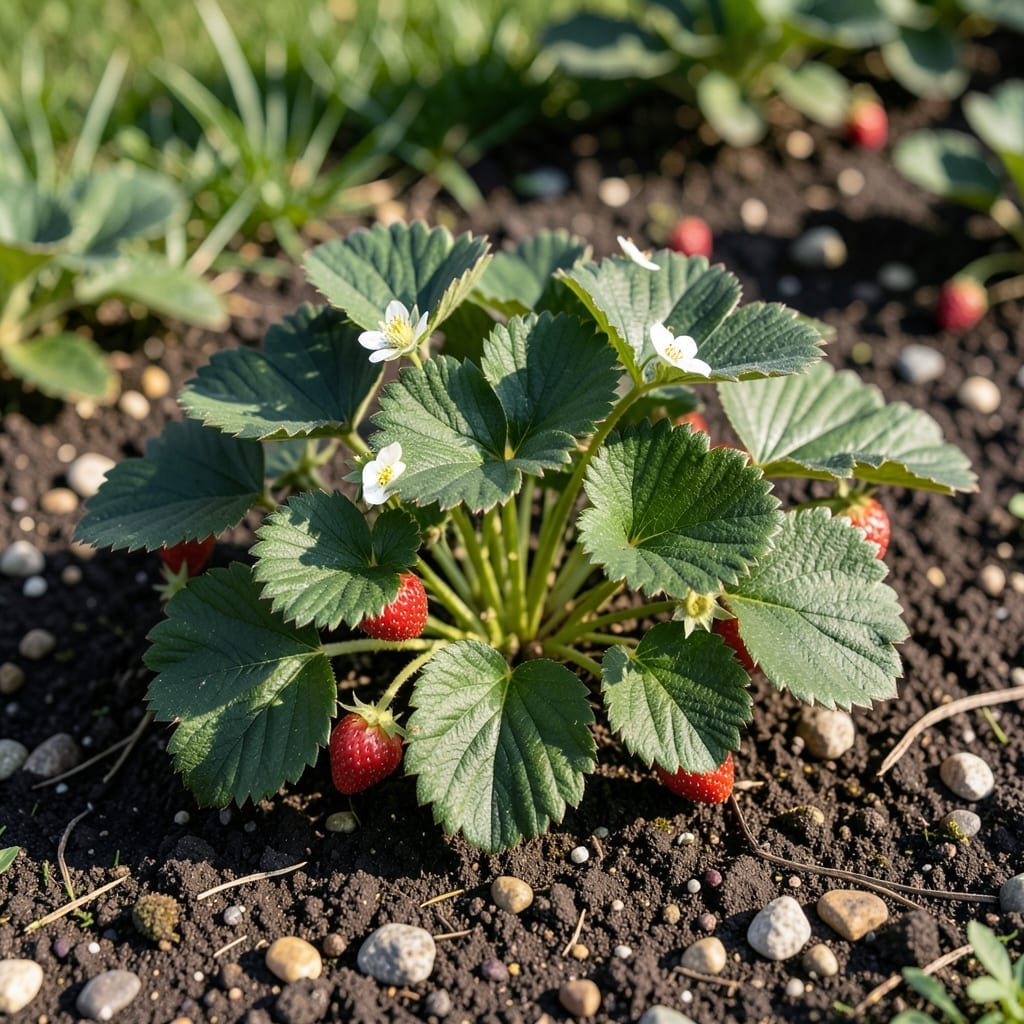
Those vibrant green leaves on your strawberry bush might hide more than you think. I learned the hard way that what looks healthy can sometimes be the opposite.
Some varieties contain toxins that can harm pets or cause skin irritation. The solution starts with proper identification and simple precautions that keep your garden safe without sacrificing beauty.
📚 In This Guide
Follow these precautions to protect yourself and your garden from potential hazards.
Before taking any action, confirm you’re dealing with a true strawberry bush (Arbutus unedo). Its glossy, dark green leaves have serrated edges and grow in alternate patterns along reddish-brown stems. The fruit resembles small, bumpy strawberries but turns red when ripe.
Misidentification is dangerous—many look-alike plants have toxic foliage. I always cross-reference with a reliable plant identification app or field guide. When in doubt, consult a local extension office. Never taste any part of the plant for identification purposes.
Put on long sleeves, gloves, and eye protection before handling any part of the strawberry bush. The leaves contain compounds that may cause skin irritation or allergic reactions in sensitive individuals. I use nitrile-coated gloves for both dexterity and protection.
Work in a well-ventilated area, preferably outdoors. If you must work indoors, open windows and use a fan to disperse any airborne particles. Avoid touching your face or other skin surfaces while handling the plant material.
Use clean, sharp pruners to remove leaves, cutting at the stem’s base where it meets the branch. Place the cuttings directly into a sturdy, sealable container—I prefer heavy-duty plastic bags or buckets with lids. Never leave cut material exposed where children or pets might access it.
Work methodically from the top of the plant downward to avoid dislodging leaves or debris onto your skin. If you notice any sap on your tools or gloves, pause to clean them with soap and water before continuing.
Do not compost strawberry bush leaves, as the toxins may persist through the composting process. Instead, place the sealed container in your municipal yard waste collection or contact your local waste management for specific disposal instructions.
If burning is permitted in your area, this is the most thorough disposal method. Wear a mask during burning to avoid inhaling smoke particles. Always check local regulations and obtain necessary permits before burning any plant material.
After handling, remove all protective gear and wash your hands thoroughly with soap and warm water for at least 20 seconds. Pay special attention to areas between fingers and under nails where plant residue might linger.
Wash your pruners and any other tools with a 10% bleach solution (1 part bleach to 9 parts water) to remove any plant sap. Monitor yourself for 24-48 hours for any signs of skin irritation, rash, or respiratory issues, and seek medical attention if symptoms develop.
These precautions will help you handle this plant safely and effectively.
Identification Safety: Confession: I skipped proper plant ID once and it nearly cost me. Always use multiple sources to confirm you’re dealing with Arbutus unedo—its serrated, glossy leaves and alternate growth pattern are distinctive, but many toxic plants mimic these features. When in doubt, consult a botanist or extension service rather than guessing.
Protection Essentials: Real talk: those compounds in the leaves don’t mess around. The long sleeves, gloves, and eye protection in Step 2 aren’t optional—they’re your first line of defense against potential irritation. I learned the hard way that nitrile-coated gloves provide better protection than basic garden gloves when working with sap-containing plants.
Containment Strategy: Here’s what nobody tells you—sturdy, sealable containers aren’t just for transport. In Step 3, placing cuttings directly into sealed bags prevents accidental contact with skin or inhalation of particles. I keep a dedicated set of pruners just for potentially toxic plants to avoid cross-contamination.
Disposal Caution: The 24-48 hour monitoring period in Step 5 is critical. Many people assume that if they don’t see immediate reactions, they’re in the clear. However, some plant compounds can cause delayed skin irritation or respiratory issues. Always err on the side of caution with disposal methods too—composting isn’t safe with these leaves.
Yes, strawberry bush (Arbutus unedo) leaves contain toxic compounds like arbutin and tannins. Ingesting them can cause nausea, vomiting, or diarrhea. Always keep them away from pets and children.
It’s best to avoid composting them due to their toxicity. If you must, use a dedicated compost pile for non-edible plants and never use the compost on food crops.
Contact your vet immediately. Symptoms may include drooling, lethargy, or digestive upset. Early intervention can prevent serious health issues.
Yes! Consider non-toxic plants like blueberries, raspberries, or ornamental strawberries. These provide beauty and edible fruits without the risks.
Wear gloves and a mask to avoid skin or respiratory irritation. Dispose of leaves in sealed bags, not in regular trash or compost, to prevent accidental exposure.