
Beautiful Plants For Your Interior
Beautiful Plants For Your Interior
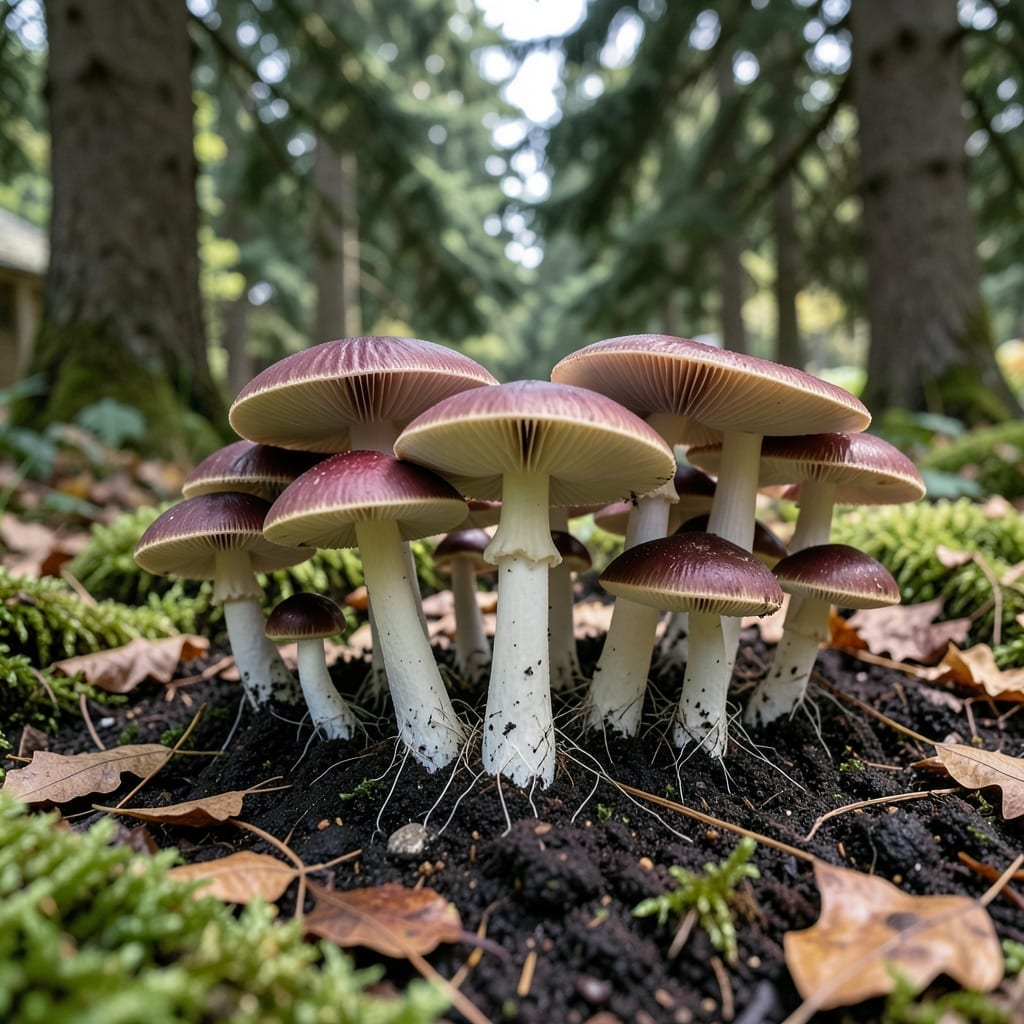
I spotted my first mystery mushroom last spring and panicked. 🌱 These unexpected guests appear overnight, often after rain or when organic matter breaks down in the soil.
The good news? Most are harmless, even beneficial, breaking down plant material into nutrients your garden craves. But some can be toxic or indicate underlying soil issues that need attention.
Identifying them starts with observing cap shape, color, and where they grow. A few key details can tell you whether to leave them, remove them, or investigate further.
This guide helps you tell friend from foe—safely and confidently. No guesswork, just clear steps to protect your plants and your peace of mind.
Mushrooms suddenly sprouting in your garden might seem mysterious, but they’re often a natural response to environmental conditions. Here’s why they pop up—and what it means for your soil.
Fungi thrive in damp environments. Heavy rainfall, overwatering, or poor drainage can create the perfect breeding ground for spores to germinate. If your garden stays soggy, mushrooms will follow.
Mushrooms are nature’s recyclers. Decaying wood, leaf litter, or buried plant debris provides the nutrients fungi need to grow. If you’ve recently added compost or mulch, you might be feeding more than just your plants.
Temperature and humidity play a huge role. Warm, muggy conditions—especially in late summer or early fall—accelerate fungal growth. Shady, undisturbed spots are prime real estate for mushrooms.
Your soil may already host dormant fungal mycelium. When conditions are right, these networks send up mushrooms as reproductive structures. Disturbing the soil (like tilling or digging) can also trigger growth.
Compacted or nutrient-poor soil can encourage certain fungi. If your garden lacks beneficial microbes, less desirable mushrooms may take over. Testing and amending your soil can help restore balance.
Dealing with unexpected mushrooms in your garden can feel alarming, but most are harmless—and manageable. Below are practical solutions tailored to common causes, along with tips to keep them from coming back.
If excess moisture is the culprit, start by reducing watering frequency and ensuring your garden has proper drainage. Aerate compacted soil with a garden fork, and consider adding organic matter like compost to improve water absorption. For persistent damp spots, install a French drain or redirect downspouts away from the garden.
Prevention tip: 💡 Water early in the day so soil can dry out by evening, and use a moisture meter to avoid overwatering.
Mushrooms thrive on rotting wood, leaves, or mulch. Remove old stumps, fallen branches, and leaf litter where fungi might be feeding. Replace old mulch with fresh, well-aged varieties, and avoid piling it too thickly (stick to 2–3 inches). If mushrooms appear in compost, turn the pile regularly to speed up decomposition and reduce spores.
Prevention tip: ✨ Use a rake to clear debris weekly, especially in shady, damp corners.
For stubborn fungal growth, solarization can help: Cover the affected area with clear plastic sheeting for 4–6 weeks during hot weather to kill spores. If the problem is severe, remove the top 2–3 inches of soil and replace it with fresh, sterile topsoil. Always wear gloves when handling mushrooms to avoid skin irritation.
Prevention tip: 🎯 Rotate plantings and avoid over-fertilizing, which can create a spore-friendly environment.
Mushrooms can sprout from pet waste or wild animal droppings. Scoop up waste daily and rinse the area with a vinegar-water solution (1:1 ratio) to deter regrowth. For bird or wildlife visitors, use deterrents like motion-activated sprinklers or netting over garden beds.
Prevention tip: 🌡️ Keep compost bins and pet areas far from your garden to minimize spore spread.
Avoid handling unknown mushrooms as some can cause skin irritation or allergic reactions. Always wear gloves when removing them and wash your hands afterward.
The underlying mycelium remains in the soil. To prevent regrowth, address moisture issues, remove decaying organic matter, and improve drainage.
It’s safer to discard them in the trash. Composting may spread spores and encourage more growth. Keep your compost pile hot to kill potential fungi.
Most are harmless and even beneficial, breaking down organic matter. However, some may compete with plants for nutrients or indicate poor soil health.