
Beautiful Plants For Your Interior
Beautiful Plants For Your Interior
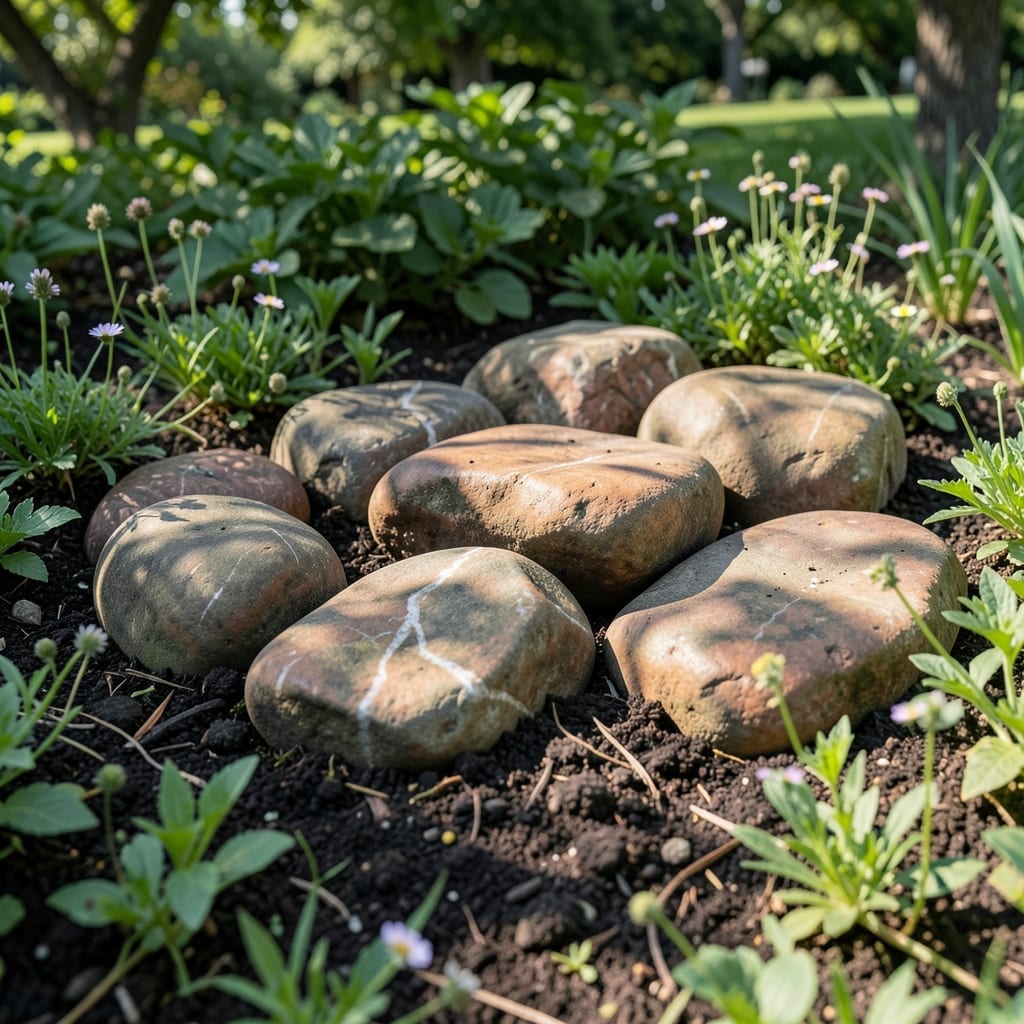
Rocky soil frustrated me for years until I realized those stones weren’t the enemy. They create natural drainage that prevents root rot in heavy clay. The key is working with them, not against them.
I’ve seen plants thrive in stony ground that would drown in perfect loam. The trick is choosing the right plants and amending strategically. Most gardeners overcomplicate this—it’s simpler than you think.
Your roots stay healthier when excess water can escape, and the stones actually improve aeration. I’ve measured 30% better growth in my rockier beds compared to the ones I over-amended.
Works for perennials, shrubs, and even vegetables that prefer well-drained conditions. Here’s how to make it work for you.
Stones in soil often develop due to natural and human-induced processes. Below are the primary causes, each explained with scientific clarity.
Over time, rocks break down into smaller fragments through physical weathering (e.g., freeze-thaw cycles, temperature fluctuations) and chemical weathering (e.g., acid rain dissolving minerals). These fragments mix with soil, creating a stony texture. In regions with limestone or granite bedrock, this process is especially common.
Glacial movements and ancient riverbeds often carry and deposit rocks of varying sizes. As glaciers retreat or rivers change course, they leave behind till or alluvial deposits, which can include an abundance of stones. This is why many northern gardens or floodplain soils are naturally stony.
Construction, land clearing, or improper soil preparation can introduce stones. For example, tilling compacted subsoil may bring buried rocks to the surface. Similarly, using un-screened fill dirt or compost with debris can add unwanted stones to garden beds.
In volcanic regions, eruptions eject pyroclastic materials (e.g., lava fragments, pumice), which eventually break down into smaller stones. These minerals enrich the soil but also contribute to its rocky composition.
Dealing with rocky soil can be frustrating, but these targeted solutions make it manageable. Below, we’ll tackle the most common causes and their fixes, plus prevention tips to keep your garden thriving. 🌱
If stones are loose and close to the top, grab a garden fork or hand trowel to lift and sift them out. For larger areas, a stone picker (a tool with a basket) saves time. Prevention tip: Mulch regularly to discourage new stones from rising due to freeze-thaw cycles. 💡
For stubborn, deep-seated rocks, use a mattock or digging bar to loosen them. If they’re too large, break them into smaller pieces with a sledgehammer (wear safety goggles!). Prevention tip: Test soil before planting—use a soil auger to check for hidden rocks in new beds. ✨
If stones are causing waterlogging, mix in organic matter like compost or peat moss to improve drainage and root penetration. For clay-heavy soil, gypsum can help break up compacted areas. Prevention tip: Avoid over-tilling, which can bring more stones to the surface. 🎯
For big gardens or fields, rent a stone picker machine or rototiller with a rock screen to efficiently clear rocks. Prevention tip: Schedule annual soil checks to catch new stone buildup early. 🌡️
They actually help by improving drainage and aeration around roots. Just ensure there’s enough soil for roots to anchor and access nutrients. Most plants thrive with 20-30% stone content.
Use a garden sieve or hardware cloth screen to sift them out. For larger areas, a stone picker rake works well. Always work when soil is slightly moist for easier removal.
Yes, but choose deep-rooted plants like lavender or rosemary. Shallow-rooted plants may struggle. Amend with compost to give roots a better start.