
Beautiful Plants For Your Interior
Beautiful Plants For Your Interior
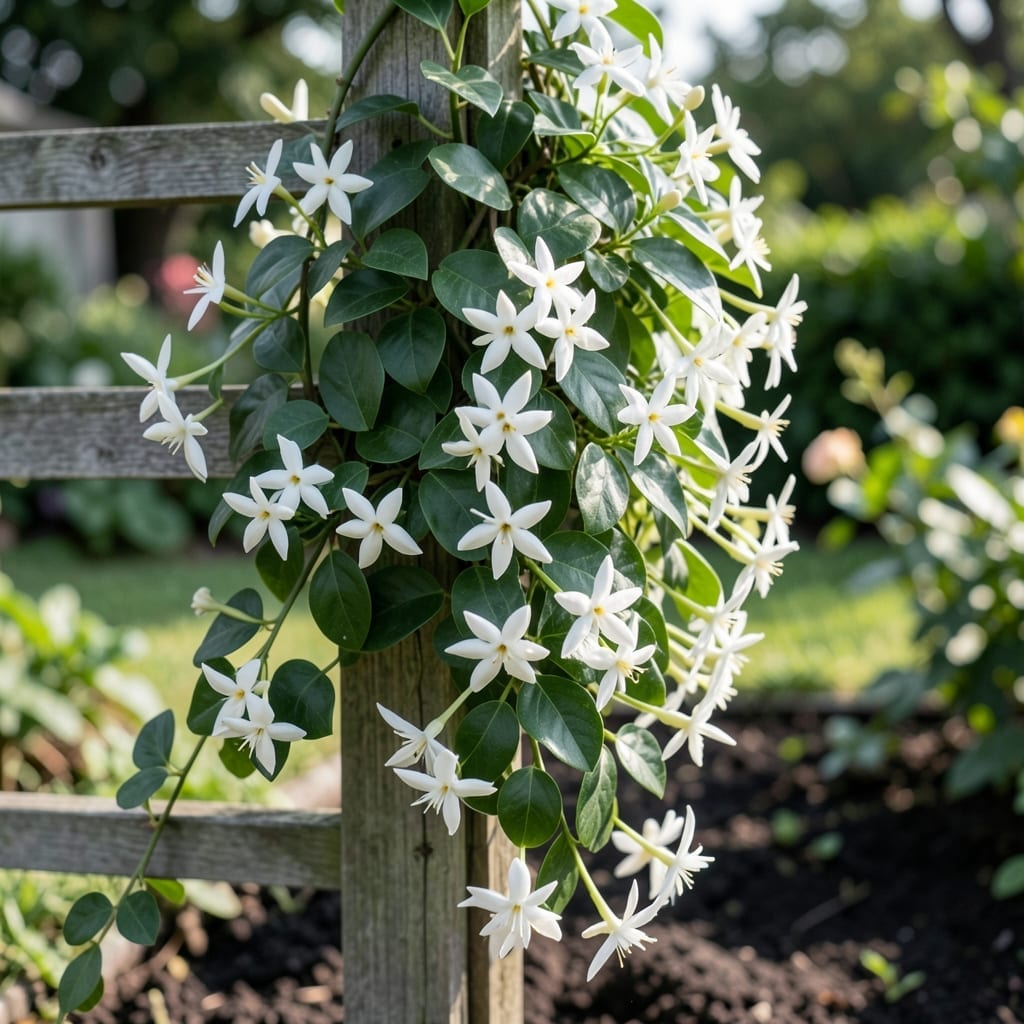
My star jasmine sat there for two summers, all leaves and no flowers. Turns out, the timing of my pruning was sabotaging the blooms before they could even form.
This plant sets its flower buds on last year’s growth, so heavy pruning in spring cuts off the very branches that would have produced flowers. Light, strategic pruning right after blooming keeps the shape without sacrificing next year’s display.
You’ll see the difference in 4-6 weeks—new growth emerges, then clusters of buds form. The fragrance alone makes the adjustment worth it.
Works for established plants and new additions alike. Here’s how to prune for maximum impact without overdoing it.
Star jasmine (Trachelospermum jasminoides) may refuse to bloom due to several underlying issues. Understanding these causes can help you restore its flowering potential.
Star jasmine thrives in full sun to partial shade. If it receives less than 4–6 hours of direct sunlight daily, flower production slows or stops. The plant prioritizes foliage growth over blooms in low-light conditions, as photosynthesis is less efficient. Relocate potted plants or prune nearby trees to improve light access.
Pruning at the wrong time can remove flower buds. Star jasmine sets buds on new growth from the previous season. Pruning in late summer or fall eliminates these buds, while light pruning right after flowering encourages healthy new growth for next year’s blooms.
Both overwatering and drought stress the plant, diverting energy from flowering. Ensure well-draining soil and water deeply but infrequently. A balanced fertilizer (10-10-10) applied in early spring supports bloom development, but avoid high-nitrogen formulas, which promote leafy growth at the expense of flowers.
Star jasmine prefers USDA zones 8–10. Cold snaps below 10°F (-12°C) can damage buds, while excessive heat above 90°F (32°C) may cause heat stress. Mulch around the base to insulate roots and provide afternoon shade in scorching climates.
Young star jasmine plants often take 2–3 years to mature enough to flower. If your plant is still establishing, patience is key—focus on providing optimal growing conditions to encourage future blooms.
If your star jasmine isn’t blooming, don’t worry—there are simple fixes to get those fragrant flowers back. Below are targeted solutions for the most common causes, along with prevention tips to keep your plant thriving.
Fix: Move your star jasmine to a spot with at least 6–8 hours of direct sunlight daily. South- or west-facing locations work best. If planting in the ground, choose an open area away from large trees or buildings that cast shade. For potted plants, rotate them weekly to ensure even light exposure.
Prevent: Monitor sunlight patterns in your garden or balcony throughout the day. Use a sunlight calculator app to track exposure if needed.
Fix: Prune right after flowering (usually late summer) to shape the plant and remove dead wood. Avoid heavy pruning in spring, as this can cut off flower buds. If you’ve over-pruned, be patient—new growth (and flowers) will take time to return.
Prevent: Stick to light, annual pruning. Remove no more than 20% of the plant at a time, and always use clean, sharp tools to avoid stress.
Fix: Star jasmine prefers consistently moist but well-drained soil. If the soil is bone-dry, water deeply until it reaches the root zone (about 1–2 inches down). If it’s waterlogged, improve drainage by amending the soil with compost or moving the plant to a raised bed.
Prevent: Water when the top inch of soil feels dry. Use mulch to retain moisture, but keep it a few inches away from the stem to prevent rot.
Fix: Feed your plant with a balanced, slow-release fertilizer (10-10-10) in early spring. For a flower boost, switch to a phosphorus-rich fertilizer (like 7-9-5) just before the blooming season.
Prevent: Fertilize every 6–8 weeks during the growing season (spring to early fall). Avoid over-fertilizing, which can lead to leafy growth at the expense of flowers.
Fix: Star jasmine thrives in USDA zones 8–10. If you’re in a colder area, grow it in a container and bring it indoors during winter. For heat stress, provide afternoon shade and ensure the soil stays hydrated.
Prevent: Plant in a location sheltered from harsh winds or frost pockets. Use frost cloth if unexpected cold snaps are forecasted.
💡 Pro Tip: If all else fails, check for pests like aphids or scale, which can sap the plant’s energy. Treat with neem oil or insecticidal soap if needed.
Star jasmine thrives with 6–8 hours of direct sunlight each day. Less than 4 hours often leads to leafy growth but no blooms. South or west-facing spots work best for maximum exposure.
Prune right after flowering, usually in late summer. Avoid spring pruning, as it removes flower buds forming on last year’s growth. Light shaping keeps the plant healthy without sacrificing blooms.
Yes! High-nitrogen fertilizers promote leafy growth but may reduce flowers. Use a balanced (10-10-10) or phosphorus-rich fertilizer in early spring. Fertilize every 6–8 weeks during growing season.
Young star jasmine typically takes 2–3 years to mature enough to bloom. Ensure optimal light, water, and nutrients during this time to encourage faster flowering.