
Beautiful Plants For Your Interior
Beautiful Plants For Your Interior
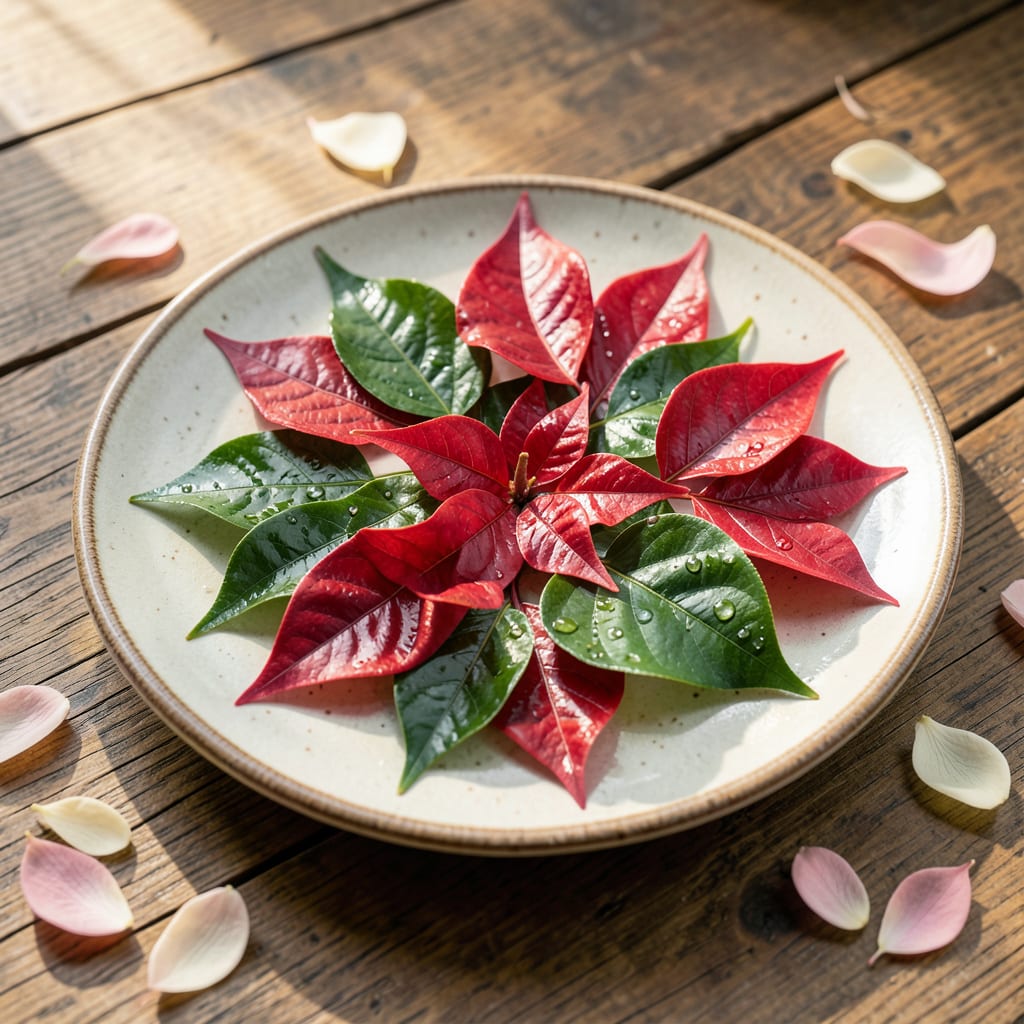
Red leaves on star jasmine always catch me off guard at first. It’s not the vibrant green we expect, but it’s your plant’s way of sending an SOS.
I’ve learned these color changes usually point to nutrient imbalances or seasonal stress. Too much sun, not enough water, or a phosphorus deficiency can all trigger that alarming red hue.
The good news? It’s fixable. A soil test and a few adjustments to your care routine can bring back that lush green. I’ve nursed many jasmine plants back to health this way.
Prevention is simpler than you think—consistent watering, balanced fertilizer, and a little shade during extreme heat go a long way.
Star jasmine leaves turn red primarily due to environmental stress or physiological changes. Below are the most common causes, explained with actionable insights.
Extreme heat or cold disrupts chlorophyll production, the green pigment essential for photosynthesis. When temperatures exceed 90°F (32°C) or drop below 50°F (10°C), the plant shifts its energy to protective pigments like anthocyanins, which appear red. This is a survival mechanism to shield leaves from damage.
A deficiency in phosphorus (P) or magnesium (Mg) often triggers reddening, especially in older leaves. Phosphorus supports energy transfer, and its lack forces the plant to redistribute resources, revealing red hues. Similarly, magnesium is central to chlorophyll structure—without it, green fades to red or purple. Test soil with a kit and amend with bone meal (for P) or Epsom salt (for Mg).
While star jasmine thrives in bright light, intense, direct sunlight (especially in dry climates) can scorch leaves, leading to a reddish tint. This is often accompanied by crispy edges. Provide dappled shade during peak afternoon hours to prevent stress.
In autumn, cooler temperatures and shorter days naturally signal the plant to slow chlorophyll production. Red pigments, previously masked by green, become visible. This is normal and temporary—no action is needed unless leaves drop prematurely.
If your star jasmine’s leaves are turning red, don’t panic—most causes are fixable with a few simple adjustments. Below are targeted solutions for each common trigger, along with prevention tips to keep your plant thriving.
If cold snaps or heatwaves are to blame, move potted plants to a sheltered spot or indoors near a bright window. For in-ground jasmine, mulch heavily (2–3 inches of organic material) to insulate roots. In extreme heat, provide afternoon shade and water deeply in the early morning.
Prevent it: 💡 Monitor forecasts and use frost cloth or shade netting proactively.
For underwatering, soak the soil until water runs from the drainage holes, then let the top 1–2 inches dry out before watering again. For overwatering, stop watering immediately and let the soil dry. If root rot is suspected, trim black, mushy roots and repot in fresh, well-draining soil.
Prevent it: ✨ Stick your finger in the soil—water only when the top layer feels dry.
Red leaves often signal a phosphorus or magnesium shortage. Apply a balanced, slow-release fertilizer (10-10-10 or 5-10-5) in spring and summer, following package instructions. For quick results, use a liquid fertilizer high in phosphorus. If soil pH is too high (above 7.0), amend with sulfur or peat moss to improve nutrient uptake.
Prevent it: 🎯 Test soil every 2–3 years and fertilize seasonally.
For spider mites or aphids, spray leaves with neem oil or insecticidal soap every 5–7 days until pests are gone. For fungal issues like leaf spot, prune affected leaves and improve air circulation. Apply a copper fungicide if the problem persists.
Prevent it: 🌿 Inspect leaves weekly and avoid overhead watering to reduce fungal risks.
Not always! In fall, cooler temps naturally cause some reddening as chlorophyll fades. But sudden red leaves in spring or summer usually signal stress from heat, nutrient lack, or pests.
With liquid phosphorus fertilizer, you may see improvement in 2-3 weeks. For magnesium deficiency, Epsom salt spray works in 7-10 days. Always test soil first for best results.
Yes! Overwatering leads to root rot, which blocks nutrient uptake. Leaves may turn red or yellow and feel mushy. Let soil dry between waterings and ensure good drainage.
