
Beautiful Plants For Your Interior
Beautiful Plants For Your Interior
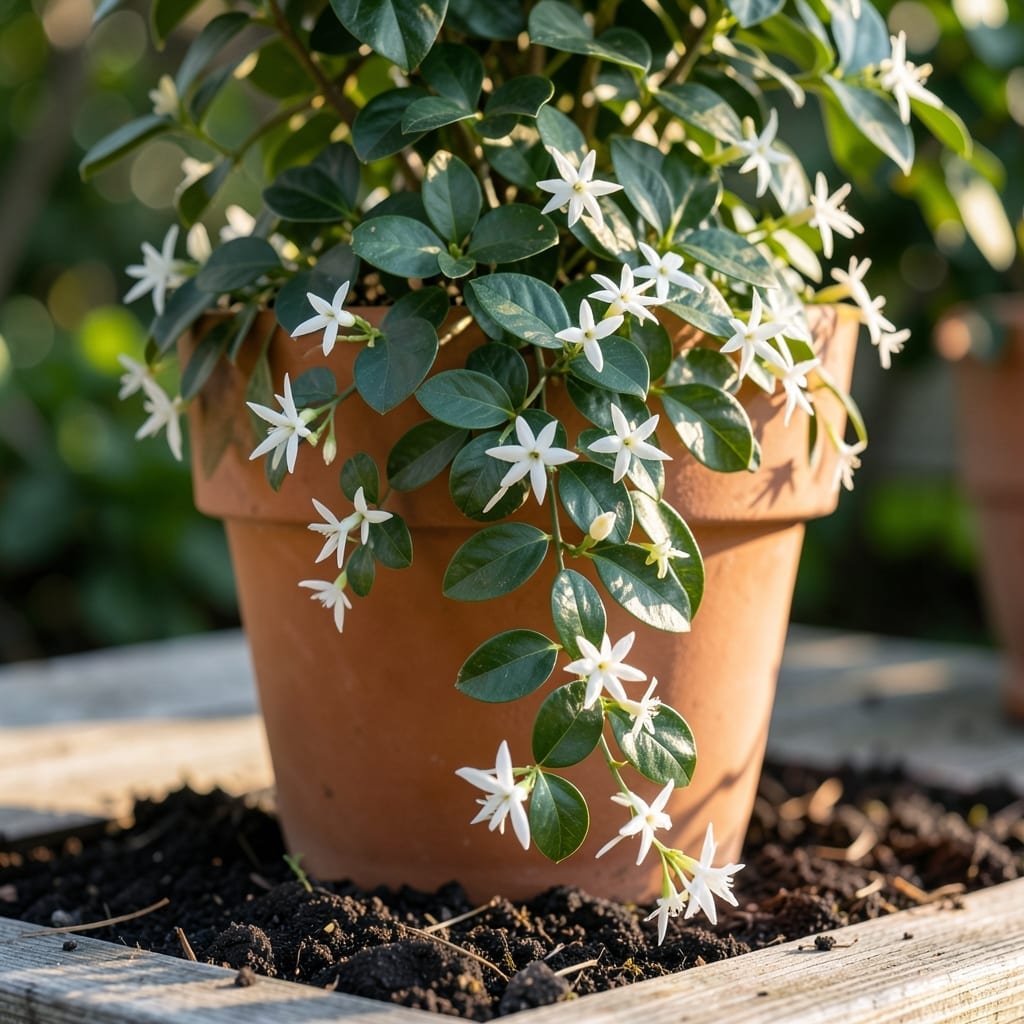
There’s something magical about walking into a garden filled with the sweet perfume of blooming Star Jasmine. That intoxicating fragrance can transform any outdoor space, but timing is everything when it comes to enjoying it.
I remember the first time I planted 🌸 Star Jasmine and waited impatiently for those delicate white blooms to appear. Understanding its flowering season changed how I care for this beautiful vine.
Whether you’re a seasoned gardener or just starting out, knowing when to expect those fragrant blossoms makes all the difference. The right timing can give you longer, more abundant blooms.
Let me share what I’ve learned about maximizing Star Jasmine’s flowering season in your garden. The results will surprise you.
I’ve found that star jasmine typically bursts into bloom in late spring to early summer, with its peak flowering season spanning May through July in most regions. The exact timing depends heavily on your climate zone and local conditions.
In USDA zones 8-9, you can expect blooms to start as early as April, while in cooler zone 7 areas, the season may shift to May or June. Warmer climates like zones 10-11 often see a longer flowering window.
| Region | Flowering Start | Peak Bloom |
|---|---|---|
| USDA Zone 7 | May | June-July |
| USDA Zone 8-9 | April | May-June |
| USDA Zone 10-11 | March | April-May |
The temperature plays a crucial role—star jasmine prefers 60-75°F for optimal blooming. If spring arrives late with cool nights, the flowering may be delayed by a few weeks.
I’ve noticed that sunlight exposure also impacts the timing. Plants in full sun (6+ hours daily) often bloom earlier than those in partial shade. The more sunlight, the more abundant the fragrant white flowers will be.
Humidity levels can extend the blooming period, especially in southern states. High humidity helps the delicate blossoms last longer, while dry conditions may shorten the season.
For gardeners in cooler climates, growing star jasmine in containers allows you to move the plant indoors during unexpected cold snaps, protecting the flower buds from damage.
I recommend keeping an eye on soil temperature as well. Star jasmine prefers well-draining soil that warms up quickly in spring, which can trigger earlier blooming. A mulch layer helps regulate soil temperature.
In my experience, consistent watering leading up to the flowering season encourages more bud formation. However, overwatering can lead to root rot, so balance is key.
If you’re in a mild winter region, you might even see a second flush of blooms in late summer or early fall, especially if you prune lightly after the first flowering wave.
To maximize your star jasmine’s blooming potential, ensure it’s planted in a sheltered spot with good air circulation. This protects the flowers from strong winds and heavy rains.☀️
To maximize your star jasmine flowering season, I focus on creating ideal growing conditions. This fragrant vine thrives with consistent care, especially during its active blooming period from spring to early summer. Proper timing is everything when encouraging those stunning white blossoms.
In my experience, the key starts with pruning at the right time. I always complete major pruning immediately after the previous year’s blooms fade, which gives the plant ample time to develop new growth and flower buds for the next season.
I’ve found that consistent moisture is particularly important during bud formation. While star jasmine is somewhat drought-tolerant once established, I
Sunlight exposure dramatically impacts bloom abundance. My plants in full sun locations consistently produce more flowers than those in shadier spots. Aim for at least 6 hours of direct sunlight daily for the best results.
Don’t overlook the power of proper nutrition. I use a balanced fertilizer starting in early spring and continue through summer, reducing frequency as the flowering season winds down. This feeding schedule keeps my jasmine vigorous and blooming profusely.
Finally, I always remove spent flowers promptly. This deadheading practice encourages the plant to redirect energy toward producing new blooms rather than seed development, often extending the flowering period by several weeks. ☀️