
Beautiful Plants For Your Interior
Beautiful Plants For Your Interior
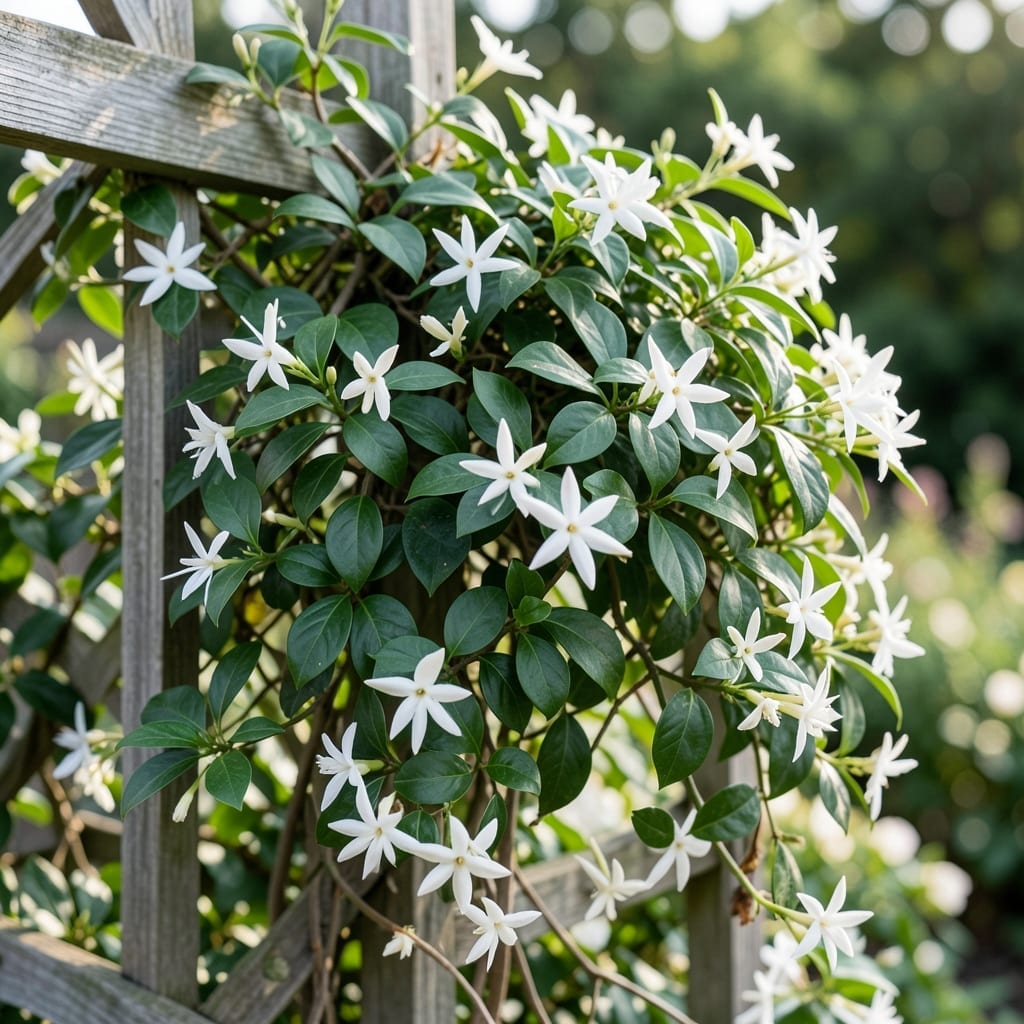
That first winter chill can send even seasoned gardeners into a panic when they have Star Jasmine 🌸 in the ground. Its delicate vines and sweet scent seem at odds with freezing temperatures.
If you’ve ever watched your prized Star Jasmine wilt after an unexpected cold snap, you know the frustration. This tropical beauty thrives in USDA zones 8-11, but push it beyond its limits and trouble starts.
Here’s the good news: with the right approach, you can help your Star Jasmine weather the cold. I’ll share the exact strategies that have saved my plants year after year.
Discover how to shield your Star Jasmine from winter’s worst while keeping it healthy for that glorious spring rebound.
If you’re growing star jasmine, knowing its cold limits is crucial. This tropical vine thrives in USDA zones 8-11, where winters stay relatively mild and frost is rare.
In these zones, star jasmine can handle brief dips to 10°F (-12°C), but prolonged exposure to freezing temps will damage foliage and stems. Established plants fare better than new plantings.
| Requirement | Specification |
|---|---|
| USDA Zones | 8-11 |
| Minimum Temp | 10°F (-12°C) |
| Frost Tolerance | Low (needs protection) |
| Cold Damage Signs | Blackened leaves, mushy stems |
| Recovery Time | Spring rebound possible |
Below 10°F (-12°C), even mature star jasmine plants risk serious damage. The root system is more cold-hardy than the top growth, which is why mulching helps.
In zone 7 or colder, star jasmine typically won’t survive winters outdoors without protection. Gardeners in these areas should consider container growing for easy winter relocation.
Newly planted star jasmine is especially vulnerable. Its shallow roots haven’t had time to establish, making it more susceptible to cold shock and frost heave.
I’ve seen star jasmine bounce back after light frost if the roots stayed insulated. The key is acting before temperatures drop, not after damage appears.
For those in borderline zones like 8a, a south-facing wall or urban heat island can provide just enough warmth to make a difference.
Remember, cold tolerance varies by cultivar. Some varieties may handle 15°F (-9°C) briefly, but it’s always better to err on the side of caution.
Monitor weather forecasts closely in fall. A sudden cold snap can catch even experienced gardeners off guard, turning lush star jasmine into a sad, brown mess overnight.
Proper preparation in autumn can mean the difference between a thriving plant next spring and having to start over. Always have frost cloth ready before the first freeze warning.
When temperatures drop below 20°F (-7°C), even established star jasmine can suffer. I’ve tested multiple winter protection methods in my own garden, and these five consistently deliver results.
From simple mulching to strategic placement, each approach addresses different cold exposure levels. The key is acting before the first frost hits your region.
I always start with mulching as my first line of defense. A thick layer of straw or wood chips can make a surprising difference in root protection.
For potted star jasmine, moving containers to a garage or shed during extreme cold spells works wonders. Just ensure they still get some light.
Frost cloth is a game-changer for in-ground plants. I secure it with stakes to prevent wind damage while allowing airflow.
Remember, consistency matters. Check your protection methods regularly and adjust as temperatures fluctuate through winter. ☀️