
Beautiful Plants For Your Interior
Beautiful Plants For Your Interior
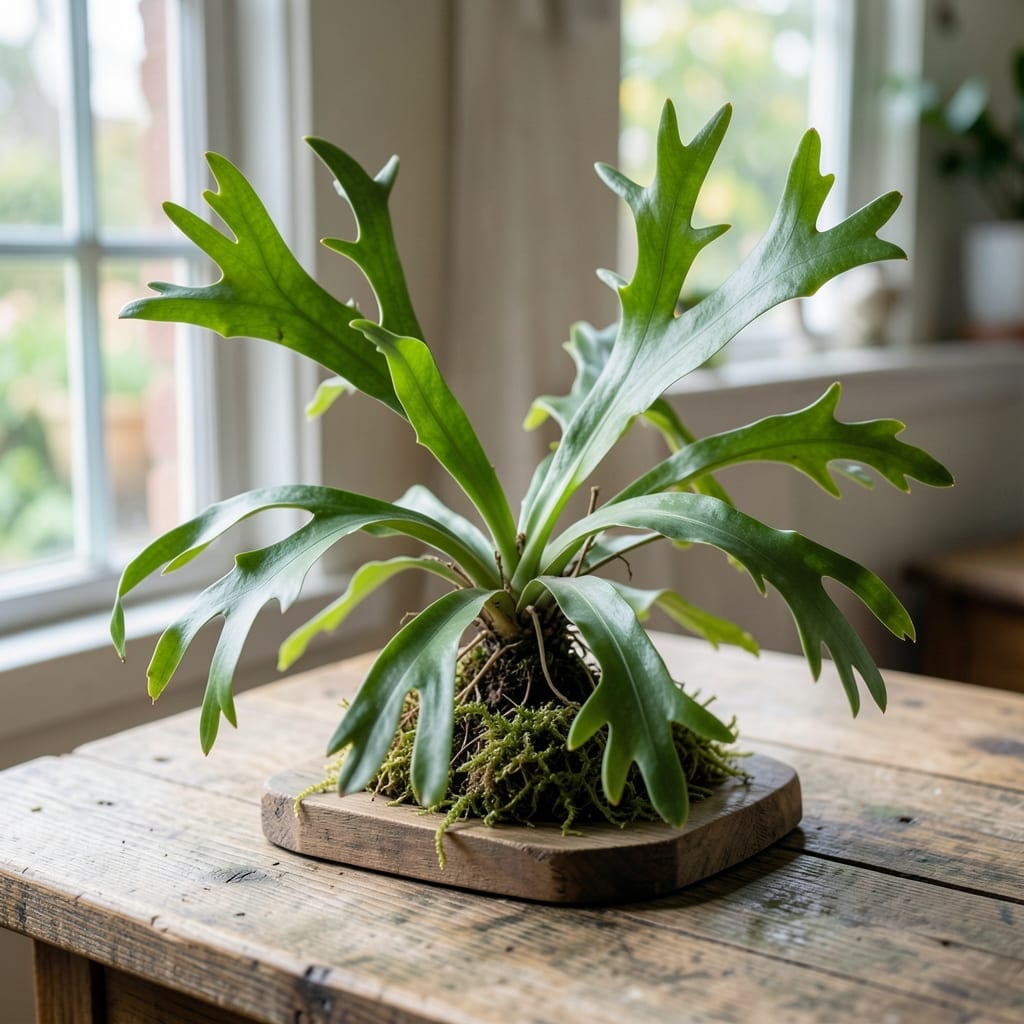
That sinking feeling when your staghorn fern’s fronds suddenly droop. I’ve been there—watching those dramatic antler shapes turn from vibrant green to sad and wilted overnight.
Here’s the thing—most wilting comes down to three things: too much water, not enough light, or the wrong kind of humidity. Get any of these wrong and your plant starts protesting immediately.
Fixing it starts with checking the roots. Healthy ones are firm and white; rotten ones are brown and mushy. That’s your first clue whether you’re overwatering or underwatering.
With a few adjustments to your care routine, you’ll see those fronds bounce back in a week or two. The key is acting fast before the damage becomes permanent.
The wilting of a staghorn fern often stems from environmental or care-related stressors. Below are the most common causes, each with a clear explanation to help you diagnose and address the issue.
Staghorn ferns are epiphytes, meaning they thrive on moisture absorbed from the air rather than soggy soil. Overwatering leads to waterlogged roots, which suffocate and decay due to lack of oxygen. Fungal or bacterial infections (e.g., Phytophthora or Pythium) often follow, accelerating root rot. Signs include black, mushy roots and a foul odor.
While these ferns dislike excess water, chronic underwatering or low humidity (below 40%) can cause dehydration. Their fronds lose turgor pressure, leading to drooping or crispy edges. Staghorn ferns native to tropical rainforests require consistent ambient moisture to maintain their structural integrity.
Direct, harsh sunlight can scorch the delicate fronds of a staghorn fern, leading to wilting and browning. These plants prefer bright, indirect light (1,000–2,000 foot-candles). Prolonged exposure to intense light disrupts photosynthesis and causes moisture loss through transpiration, stressing the plant.
Staghorn ferns thrive in temperatures between 60–80°F (15–27°C). Exposure to cold drafts (below 50°F/10°C) or heat sources (above 90°F/32°C) can shock the plant, leading to wilting. Temperature fluctuations disrupt cellular processes, weakening the fern’s ability to retain water.
Improper mounting (e.g., using non-breathable materials like plastic) or dense potting mixes can trap moisture against the roots, fostering rot. Staghorn ferns need air circulation around their root ball. A well-draining mix of sphagnum moss, bark, or coconut coir is ideal for potted specimens.
If your staghorn fern is wilting, don’t panic—most issues are fixable with a few adjustments. Below are targeted solutions for common causes, along with prevention tips to keep your fern thriving.
If root rot is the culprit, stop watering immediately. Remove the fern from its mount or pot and inspect the roots. Trim any black, mushy roots with sterile scissors. Repot or remount the fern in fresh, well-draining medium (like sphagnum moss or a mix of bark and perlite). Water only when the medium is completely dry to the touch.
Prevention tip: 🌿 Use a moisture meter to avoid overwatering, and ensure your mounting board or pot has excellent drainage.
For a thirsty fern, give it a deep soak. Submerge the entire plant (including the roots) in room-temperature water for 10–15 minutes. Let it drain thoroughly afterward. Mist the fronds lightly to boost humidity, but avoid soggy conditions.
Prevention tip: 💡 Check the medium weekly—staghorns prefer consistent moisture but hate sitting in water.
Move your fern to a spot with bright, indirect light (no harsh sun) and temperatures between 60–80°F. If the air is too dry, place a humidity tray nearby or use a humidifier. Shield it from drafts, heaters, or AC vents.
Prevention tip: ✨ Rotate the plant occasionally for even light exposure and healthier growth.
Use a balanced, water-soluble fertilizer (10-10-10 or 20-20-20) diluted to half strength. Apply every 4–6 weeks during the growing season (spring to fall). Avoid fertilizing a stressed or newly repotted fern.
Prevention tip: 🎯 Flush the medium with water every few months to prevent salt buildup from fertilizers.
With these fixes, your staghorn fern should perk up in no time. Stay consistent, and it’ll reward you with lush, vibrant fronds!
Water when the mounting medium feels completely dry. Typically, this means soaking every 1-2 weeks in warm weather, less in cooler months. Always let excess water drain fully.
Yes, but act fast. Trim all rotten roots with sterile scissors, then remount in fresh, dry medium. Avoid watering for 5-7 days to let it recover.
Aim for 40-60% humidity. Use a pebble tray or humidifier if your home is dry. Brown frond tips often signal low humidity issues.
Crispy edges usually mean underwatering or low humidity. Unlike drooping from overwatering, this requires more frequent misting or soaking.