
Beautiful Plants For Your Interior
Beautiful Plants For Your Interior
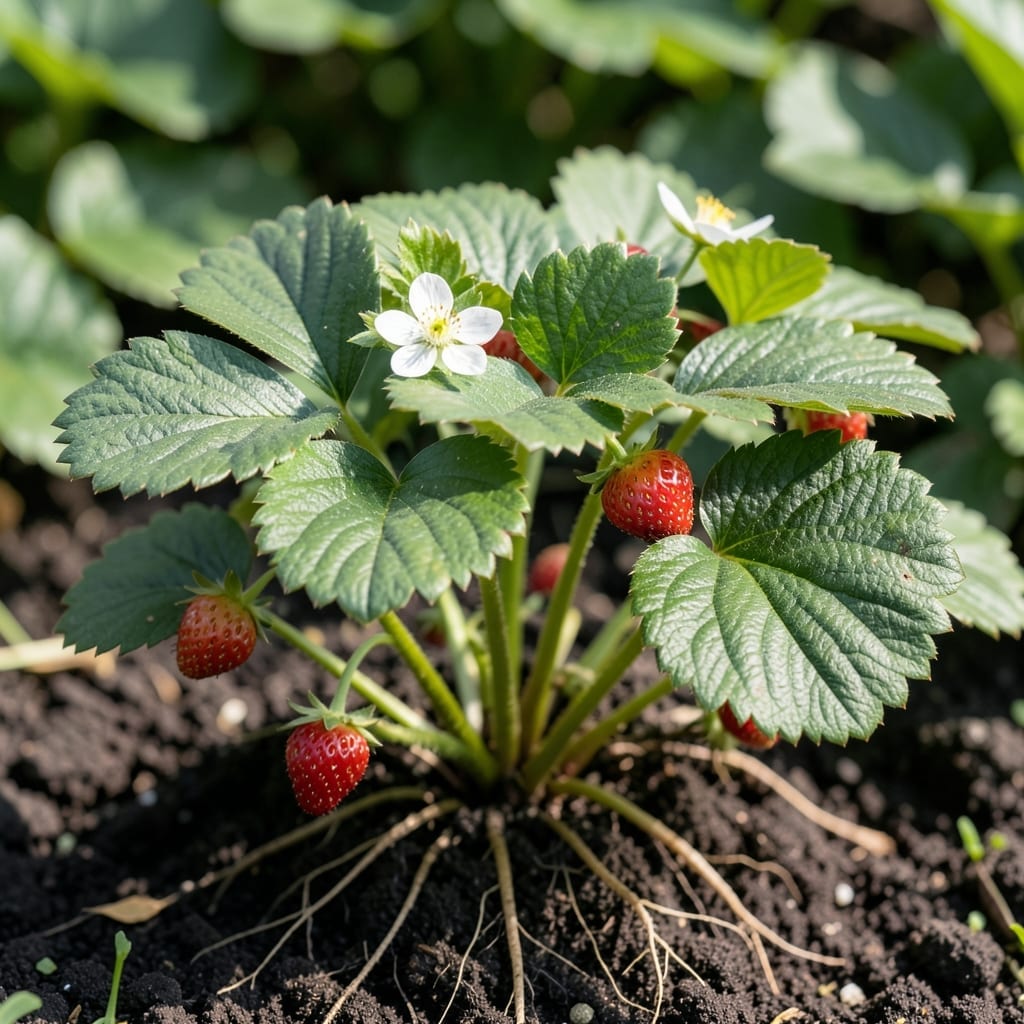
Ever wondered how a tiny white flower transforms into a juicy, red 🍓 Strawberry? It’s a fascinating process that many gardeners overlook.
I’ve watched this magic happen in my own garden, and understanding each phase makes growing them easier and more rewarding. From dormancy to fruiting, every stage has its own needs.
Let me walk you through what to expect and how to care for your plants at each step. You’ll discover the secrets to a bountiful harvest.
Watching a strawberry plant grow from a tiny seed to a fruit-bearing beauty is truly magical. I’ve seen this transformation countless times in my garden, and each stage brings its own wonders and challenges.
From dormancy to fruiting, understanding these phases helps you provide the best care. Let’s dive into the 6 essential stages every gardener should know. 🌱
| Stage | Description |
|---|---|
| Dormancy | Plant rests, conserving energy for spring growth |
| New Growth | Leaves emerge, plant establishes roots |
| Budding | White flowers appear, signaling fruit development |
| Flowering | Flowers open, pollination occurs |
| Fruiting | Green strawberries form, then ripen to red |
| Harvest | Fully ripened strawberries ready for picking |
The journey begins with dormancy, a resting phase where the plant conserves energy. This typically happens in winter or during extreme heat, preparing for the next growing season.
As temperatures rise, new growth emerges. You’ll notice fresh green leaves and runners forming. This is the time to ensure your plants have nutrient-rich soil and adequate water.
The budding stage is exciting—tiny white buds appear, promising future fruit. I always check for pests during this phase, as aphids love tender new buds. A gentle spray of water can deter them.
Next comes flowering, where delicate white blooms open. These flowers need pollination to set fruit. Bees usually handle this, but you can help by gently shaking the plants.
In the fruiting stage, green strawberries begin to form. They’ll slowly turn white, then red as they ripen. Patience is key here—picking too early results in sour fruit.
Finally, the harvest stage arrives. Strawberries are ready when they’re fully red and slightly soft. I pick mine in the morning for the best flavor and texture.
Each stage requires slightly different care, but the reward is worth it. With a little attention, you’ll enjoy a bountiful harvest of sweet, homegrown strawberries. 🌿
Getting the most from your strawberry plants means tailoring your care to each growth phase. I’ve learned that what works in dormancy won’t help during fruiting, and timing is everything.
With the right approach, you can boost both the quantity and quality of your harvest. Let’s break down the best practices for each stage of development. 🌱
During dormancy, your plants rest but still need protection. I use 4-6 inches of straw mulch to insulate the soil and prevent frost damage to the crowns.
When new growth appears, focus on building strong roots. A balanced 10-10-10 fertilizer works wonders. I water deeply once a week, ensuring the soil stays moist but not soggy.
At the budding stage, pests become a real threat. I inspect plants daily for aphids and use neem oil if needed. Gentle hand-pollination with a soft brush can improve fruit set.
During flowering, switch to a low-nitrogen fertilizer. Too much nitrogen now means leafy growth but fewer berries. I also ensure plants get 6+ hours of sunlight daily.
As fruits develop, straw mulch is my secret weapon. It keeps berries off the soil, reducing rot and keeping them cleaner. I check for ripeness daily during peak season. 🌿