
Beautiful Plants For Your Interior
Beautiful Plants For Your Interior
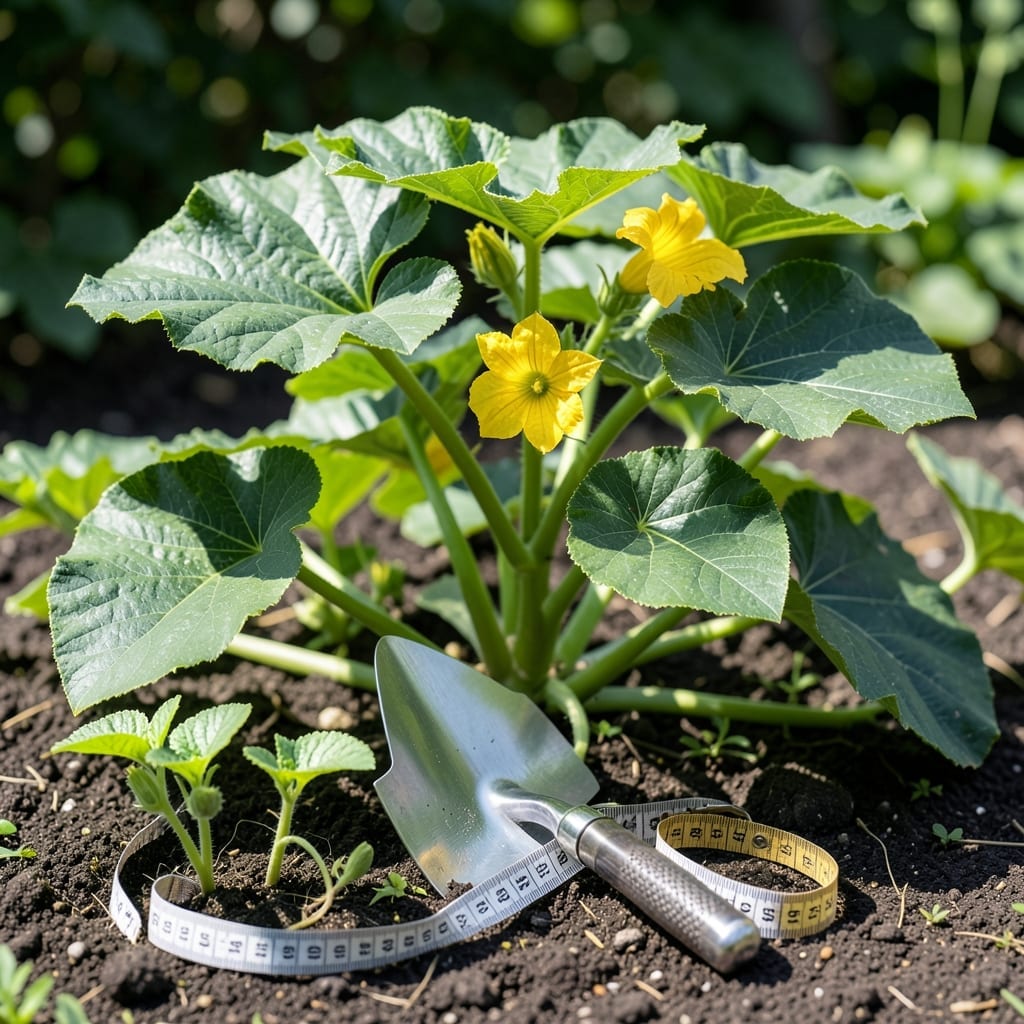
Proper spacing can make or break your 🎃 Squash harvest. I learned this the hard way when my first crop struggled with overcrowding.
Getting the distance right isn’t just about room to grow – it’s about air flow, disease prevention, and maximizing each plant’s potential.
Whether you’re growing bush or vining varieties, the space between plants affects everything from fruit size to overall yield.
Discover how to give your Squash the perfect foundation for a healthy growing season and bountiful harvests.
I’ve learned that proper squash spacing is the foundation of a thriving garden. Without it, your plants compete for sunlight, water, and nutrients, stunting growth and reducing yields. Crowded plants also trap moisture and airflow, inviting disease.
Both bush squash and vining squash have unique needs. Bush varieties like zucchini can handle closer quarters, but vining types like butternut demand more room to sprawl. Getting this right prevents tangled vines and uneven ripening. 🌱
🌱 Key Takeaway: Spacing = Healthy Plants
Proper squash planting distance ensures air circulation, reduces disease risk, and maximizes harvest quality. Bush types need 2-3 feet, while vining types require 4-6 feet or more.
In my experience, air circulation is one of the biggest benefits of correct spacing. When plants aren’t crammed together, foliar diseases like powdery mildew have a much harder time taking hold. This is especially true for summer squash, which is prone to fungal issues.
Another critical factor is nutrient competition. Squash are heavy feeders, and if they’re too close, they’ll fight over the same soil resources. This leads to smaller fruits and weaker vines. I always amend my soil with compost before planting to give them a head start.
Sunlight access is just as important. Squash thrive in full sun, and proper spacing ensures each plant gets the 6-8 hours of direct light it needs. Without it, you’ll notice leggy growth and poor fruit development.
For vining squash like pumpkins or butternut, I recommend using a trellis or allowing them to sprawl in dedicated rows. This keeps the garden organized and makes harvesting easier. Just be sure to leave at least 5-6 feet between rows.
If you’re tight on space, consider bush varieties like ‘Patio Star’ zucchini. These compact plants can thrive with just 2 feet of space between them. But even then, don’t skimp—crowding will still lead to problems down the line.
I’ve also found that hill planting works well for squash. By grouping 2-3 seeds in a 12-inch diameter hill, with 4-6 feet between hills, you can improve drainage and root development. This method is especially useful for heavy clay soils.
Finally, remember that spacing isn’t just about plants. It’s also about your access to the garden. Leave enough room between rows so you can easily walk for watering, weeding, and harvesting without damaging the vines. 🌿
Getting the squash planting distance right ensures each plant has enough room to thrive. Different squash varieties demand different spacing, and I’ll break it down clearly for you. Summer squash like zucchini typically need less space than winter varieties.
Bush-type squash can be planted closer together, while vining types require more room to sprawl. This affects not just growth but also air circulation and disease prevention. Proper spacing is non-negotiable for a healthy garden.
| Variety | Plant Spacing | Row Spacing |
|---|---|---|
| Zucchini | 2-3 feet | 4-5 feet |
| Butternut | 3-4 feet | 5-6 feet |
| Pumpkins | 4-6 feet | 8-12 feet |
| Acorn | 3-4 feet | 5-6 feet |
For hill planting, I recommend grouping 3-4 seeds per hill with hills spaced 4-6 feet apart. This method works especially well for vining squash like pumpkins, giving them a strong start.
Summer squash varieties like yellow crookneck can be spaced a bit closer at 2 feet apart. However, always check the seed packet for variety-specific advice.
In raised beds, you can reduce spacing slightly since the soil is typically richer. But don’t overcrowd—good airflow is key to preventing powdery mildew and other issues. 🌱
Finally, remember that companion planting can help maximize space. Pair squash with corn or beans to create a three sisters garden, a traditional method that boosts growth for all three. 🌿