
Beautiful Plants For Your Interior
Beautiful Plants For Your Interior
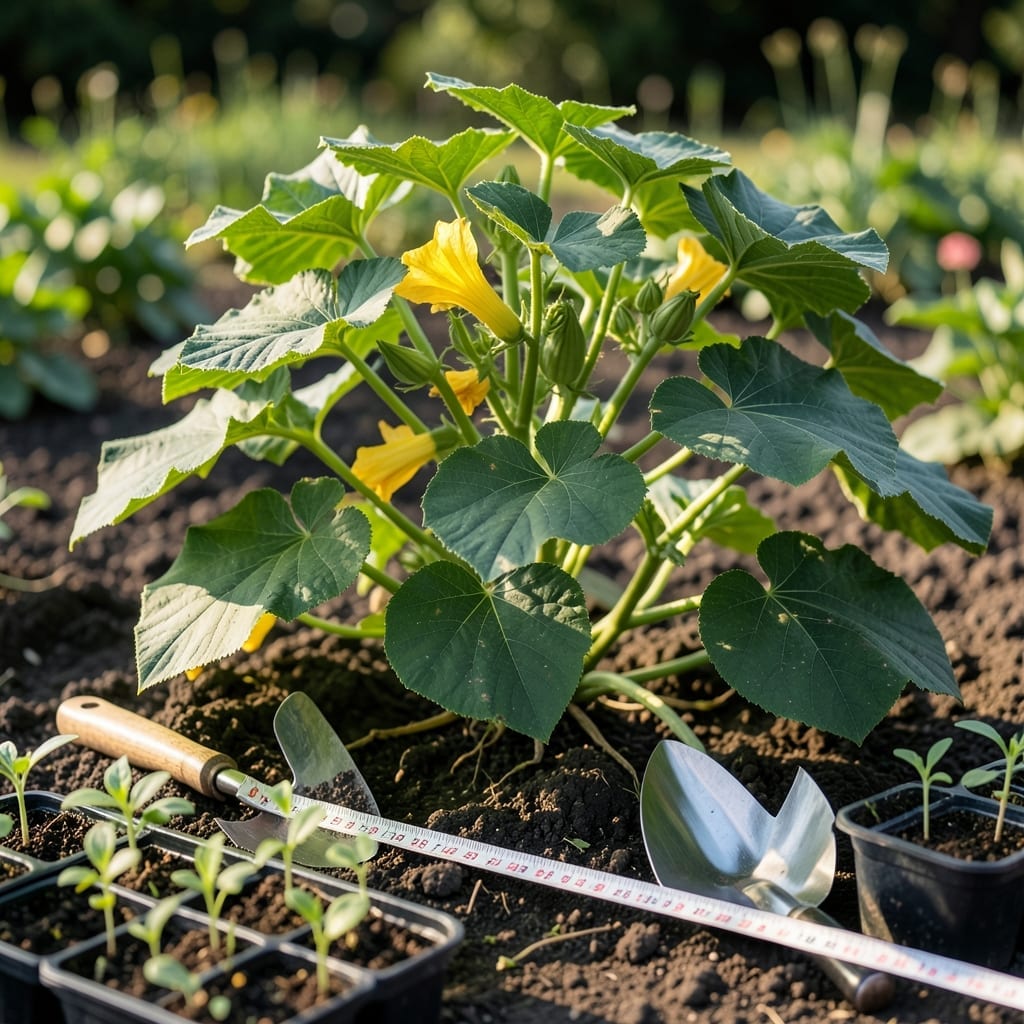
Proper squash 🎃 plant spacing is the secret to healthier plants, higher yields, and fewer pests in your garden. Whether you’re growing zucchini, butternut, or pumpkins, getting the distance right prevents overcrowding and competition for nutrients.
I’ve seen firsthand how the right spacing transforms a struggling garden into a thriving one. It’s not just about giving each plant room to grow—it’s about creating an environment where they can flourish without fighting for resources.
From bush to vining varieties, each type of squash has its own ideal spacing requirements. This guide will help you navigate those differences so you can maximize your harvest and minimize common growing headaches.
Learn how to calculate the perfect spacing for your specific variety and soil conditions. Let’s get started on the path to your most productive garden yet.


Getting squash plant spacing right starts with knowing your variety. Bush squash like zucchini need 24-36 inches between plants, while vining types such as butternut require 4-6 feet to sprawl properly.
For hill planting, I recommend 3-4 seeds per hill with 5-6 feet between hills. This method works well for pumpkins and other large varieties that need extra room to thrive.
| Variety | Plant Spacing | Row Spacing |
|---|---|---|
| Bush Squash | 24-36″ | 4-5′ |
| Vining Squash | 4-6′ | 8-12′ |
| Pumpkins | 5-6′ | 10-12′ |
Remember that soil fertility and water availability can influence spacing. In rich soil, you might stretch distances slightly, but poor soil demands closer planting for competition.
For companion planting, I’ve found corn and beans work well with squash, but maintain 12-18 inches between different plant types to prevent shading issues.
Vertical gardening is another option for vining squash. Use strong trellises and space plants 2-3 feet apart. This saves space while still allowing proper air circulation.
In raised beds, I reduce spacing by 10-15% since the soil is typically looser and more fertile. However, never sacrifice air flow as this increases disease risk.
For container gardening, choose bush varieties and use 5-gallon containers per plant. Even in containers, maintain 18-24 inches between plants if grouping multiple containers.
Always consider your climate zone. In hotter areas, extra space helps with heat dissipation, while in cooler climates, slightly closer spacing can help retain warmth.
Finally, mark your planting positions before sowing. I use stakes and string to visualize spacing, which prevents accidental overcrowding during planting. This simple step has saved me from many spacing mistakes.
☀️I’ve learned that proper squash spacing does more than just prevent crowding. It creates the ideal conditions for healthy growth and maximum yields by ensuring each plant gets enough sunlight and air circulation. 🌱
When squash plants have room to spread, their leaves can fully extend to capture sunlight. This means better photosynthesis and stronger plants that produce more fruit throughout the season. 🌿
In my experience, well-spaced squash plants are less likely to develop foliar diseases. The extra airflow helps leaves dry faster after rain or watering, which is crucial for preventing common issues like downy mildew. ✂️
Another advantage is easier maintenance. With proper spacing, you can walk between rows to weed, water, or inspect plants without damaging vines. This makes garden care more efficient and less frustrating.
Don’t underestimate the impact on fruit quality either. Squash plants with adequate space produce larger, more uniform fruits. I’ve noticed my zucchinis grow straighter and my pumpkins develop more evenly when given proper room.
Finally, proper spacing makes companion planting more effective. You can interplant radishes or nasturtiums between squash hills to deter pests while maintaining good air flow throughout your garden. 🌻