
Beautiful Plants For Your Interior
Beautiful Plants For Your Interior
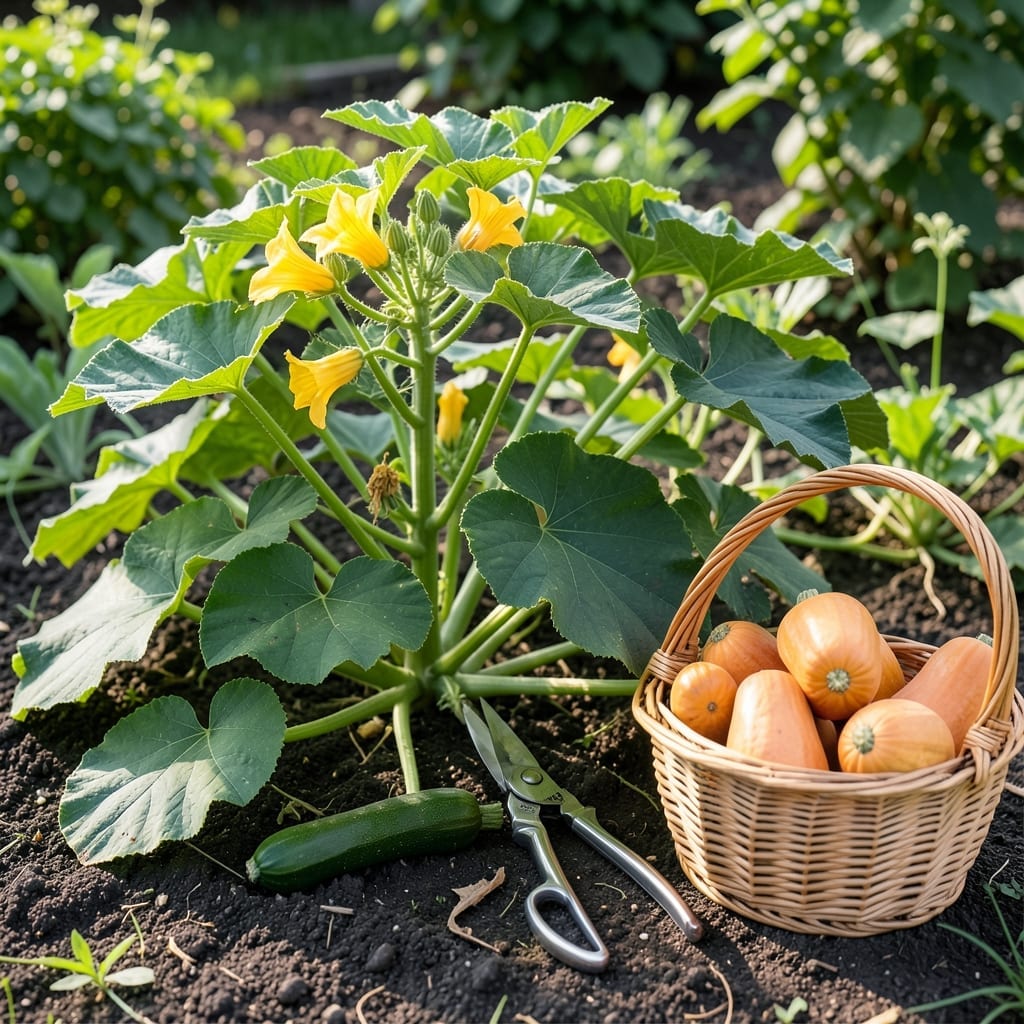
There’s nothing worse than cutting into a 🎃 Squash you’ve nurtured for months, only to find it underripe or overgrown. I’ve been there—watching my hard work turn into compost because I missed the harvest window.
Timing is everything with Squash, and the difference between perfect and mediocre often comes down to just a few days. The good news? Nature gives us clear signals if we know where to look.
I’ll show you how to read those signs, from the subtle color shifts to the often-overlooked tendril cues. These simple tricks have saved my harvests season after season.
Whether you’re growing zucchini or pumpkins, learning these timing secrets will transform your Squash game from hit-or-miss to consistently delicious.
I’ve found that the tap test and tendril check are the most reliable ways to gauge squash harvest time. These methods remove the guesswork and help ensure you pick at peak ripeness. 🌱
The tap test involves gently knocking on the squash rind. A mature squash will produce a hollow sound, while an immature one sounds dull. This works because the rind hardens as the fruit ripens.
For the tendril method, look at the vine tendril closest to the squash. When it turns brown and dry, your squash is ready. This happens because the plant redirects energy away from the fruit as it matures.
I always check both indicators together. A hollow tap with a dry tendril means it’s time. If only one signal is present, I wait a few more days. This dual-check system prevents premature harvesting. 🌿
Some gardeners make the mistake of relying solely on size or color. While these are helpful, they’re not foolproof. A zucchini might look big enough, but if the tendril is still green, it’s not ready for the best flavor.
For winter squash like butternut or acorn, the rind hardness is crucial. If your fingernail leaves a mark, leave it on the vine. These varieties need that extra time to develop their sweet, nutty flavor. ☀️
I’ve learned that morning harvesting is ideal. The fruits are crisp, and the plant is less stressed. Use a sharp knife or pruners, leaving 2-3 inches of stem attached to prevent rot and extend storage life.
Remember, overripe squash can become stringy or lose flavor. The tap and tendril method helps you catch that perfect window. With practice, you’ll recognize the signs instantly and enjoy the sweetest harvests every time.
This method works for nearly all squash varieties, from delicate yellow summer squash to hearty pumpkins. Consistency in checking these signs will give you confidence in your harvest timing year after year.
Timing your squash harvest correctly varies greatly between summer and winter varieties. Summer squash like zucchini mature quickly, often in 45-60 days, while winter types need more time.
Winter squash such as butternut or acorn typically require 80-100 days to reach full maturity. Each variety has unique visual cues that signal it’s ready for picking.
Summer squash should be harvested young and tender for the best flavor. Their soft rinds and rapid growth mean daily checks are often needed during peak season.
Winter squash develops a hard rind that resists puncturing with a fingernail. This protective layer allows them to be stored for months after harvesting.
For pumpkins, wait until the vines die back and the stem hardens. The deep orange color is another clear sign of readiness for this popular winter variety.
Remember that local climate and growing conditions can affect these timelines. When in doubt, use the tap test and tendril check we discussed earlier. ☀️