
Beautiful Plants For Your Interior
Beautiful Plants For Your Interior
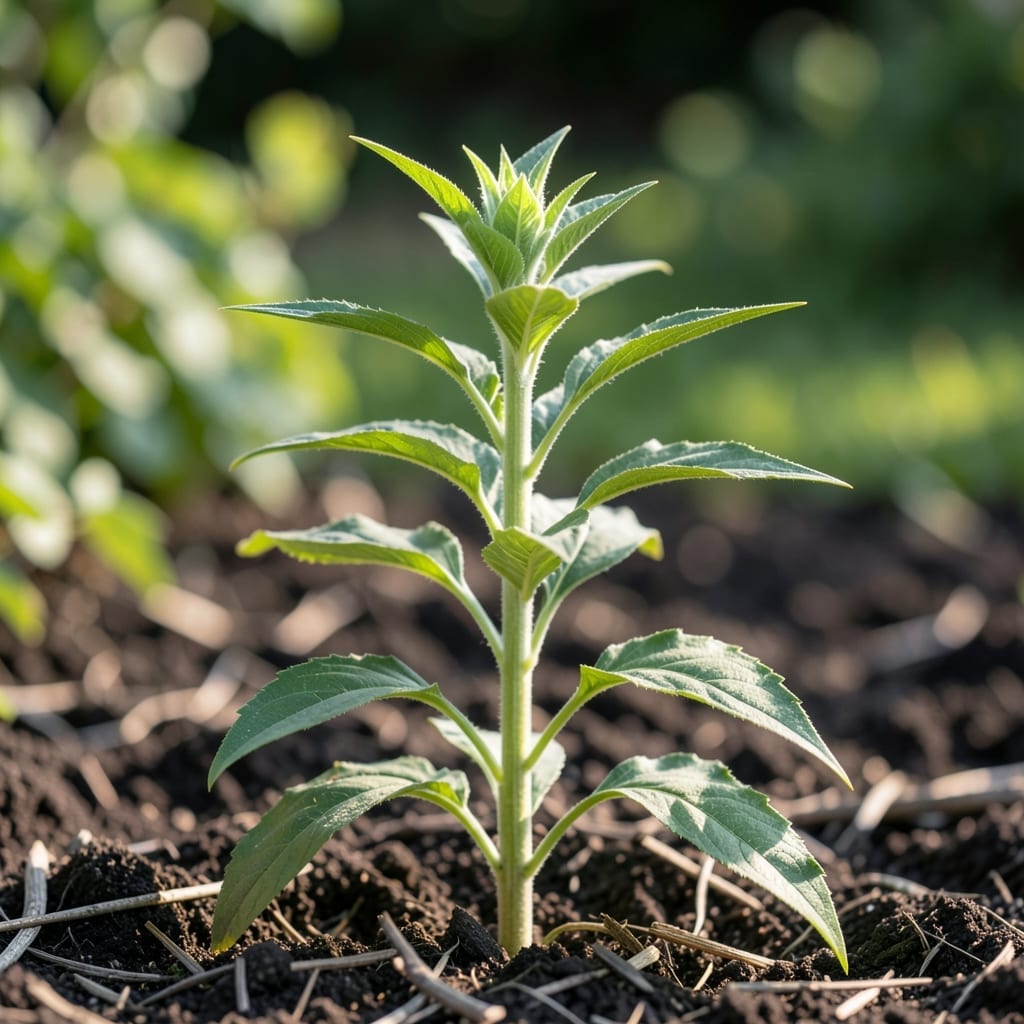
Those first purple-green echinacea sprouts are pure magic. I’ve watched them push through soil in 10-14 days with the right warmth and moisture, transforming a flat bed into a forest of future immune-boosting powerhouses.
The trick is patience—keep the soil consistently damp but not soggy, and give them full sun once they break the surface. Thin the seedlings early so each has room to grow strong, not leggy.
📚 In This Guide
Here’s the method I rely on for strong, vibrant growth from the very first sprouts.
Begin with high-quality Echinacea purpurea seeds, as they germinate more reliably than other varieties. I always check the expiration date—fresh seeds have a germination rate of 60-80%, while older ones may drop below 20%. To break dormancy, cold stratify the seeds by placing them in a damp paper towel inside a sealed plastic bag.
Store this in the refrigerator for 4-6 weeks before planting. You’ll know stratification is complete when seeds swell slightly and the towel remains consistently moist but not waterlogged. This mimics winter conditions, signaling the seeds that spring has arrived.
Fill seed trays or small pots with a sterile seed-starting mix that’s light and well-draining. Echinacea seeds need light to germinate, so press them gently into the surface without covering them—just enough contact to anchor them. Space seeds 1-2 inches apart to prevent overcrowding as they grow.
Mist the surface with room-temperature water until evenly moist. Avoid soaking the mix, as soggy conditions can cause the seeds to rot. I place trays on a seedling heat mat set to 70-75°F to speed up germination, which typically takes 10-20 days under ideal conditions.
Once sown, place the trays under full-spectrum grow lights or in a bright, south-facing window. Echinacea seedlings require 12-14 hours of light daily to grow strong and compact. If using natural light, rotate the trays a quarter turn every day to ensure even growth.
Keep the soil consistently moist but never waterlogged. I water from the bottom by placing trays in a shallow dish of water for 10-15 minutes, allowing the mix to wick up moisture. This prevents disturbing the delicate seeds. You should see the first true leaves emerge 3-4 weeks after germination.
When seedlings develop 2-3 sets of true leaves, it’s time to thin them. Use small scissors to snip the weaker seedlings at soil level, leaving the strongest one in each cell or pot. Transplant the remaining seedlings into individual 3-4 inch pots filled with the same seed-starting mix.
Handle seedlings by their leaves, not stems, to avoid crushing the delicate tissue. After transplanting, keep them in the same light and temperature conditions for 1-2 weeks to reduce shock. Once they’ve established, you can begin hardening them off for outdoor planting if desired.
Echinacea plants grown for leaves thrive in well-draining soil with a pH between 6.0-7.0. Once seedlings are 4-6 inches tall, I reduce watering frequency, allowing the top 1 inch of soil to dry between waterings. This encourages deeper root growth and stronger plants.
Feed lightly with a balanced, organic fertilizer every 4-6 weeks during the growing season. You’ll notice the leaves becoming thicker and more vibrant as the plants mature. Harvest leaves in the morning for the highest concentration of beneficial compounds, and always leave at least one-third of the foliage to sustain the plant.
Small adjustments in your approach can make a big difference in growing healthy, vibrant echinacea.
Stratification Success: Don’t rush the 4-6 weeks of cold stratification in Step 1. This period is crucial for breaking dormancy—seeds that haven’t properly stratified may not germinate at all. I check the paper towel weekly to ensure it stays moist but never soggy.
Light Requirements: In Step 3, the 12-14 hours of light daily isn’t just a suggestion. Seedlings that don’t receive enough light become leggy and weak. If you’re using a south-facing window, that quarter turn every day prevents them from leaning toward the light source.
Watering Wisdom: The 10-15 minutes of bottom watering mentioned in Step 3 keeps the seed-starting mix consistently moist without disturbing the seeds. Top watering can displace them or create uneven moisture, which leads to patchy germination.
Transplant Timing: When thinning in Step 4, wait until you see 2-3 sets of true leaves. This ensures seedlings are strong enough to handle the stress. Handling them by their leaves, not stems, prevents crushing the delicate tissue that transports water and nutrients.
Echinacea seeds typically sprout in 10–21 days under ideal conditions (70–75°F, moist soil). Germination can take longer if the soil is too cold or dry. Patience is key—some seeds may take up to a month!
Yes! Start seeds indoors 8–10 weeks before the last frost. Use seed trays with well-draining soil and place them near a sunny window or under grow lights. Transplant outdoors once frost risk passes.
Common issues include old seeds, overwatering, or poor soil contact. Ensure seeds are lightly pressed into moist (not soggy) soil and kept warm. If using old seeds, try cold stratification for 2–4 weeks to boost germination.
If seeds struggle, consider buying young echinacea plants from a nursery. You can also try root division from mature plants in early spring or fall for a faster start.