
Beautiful Plants For Your Interior
Beautiful Plants For Your Interior
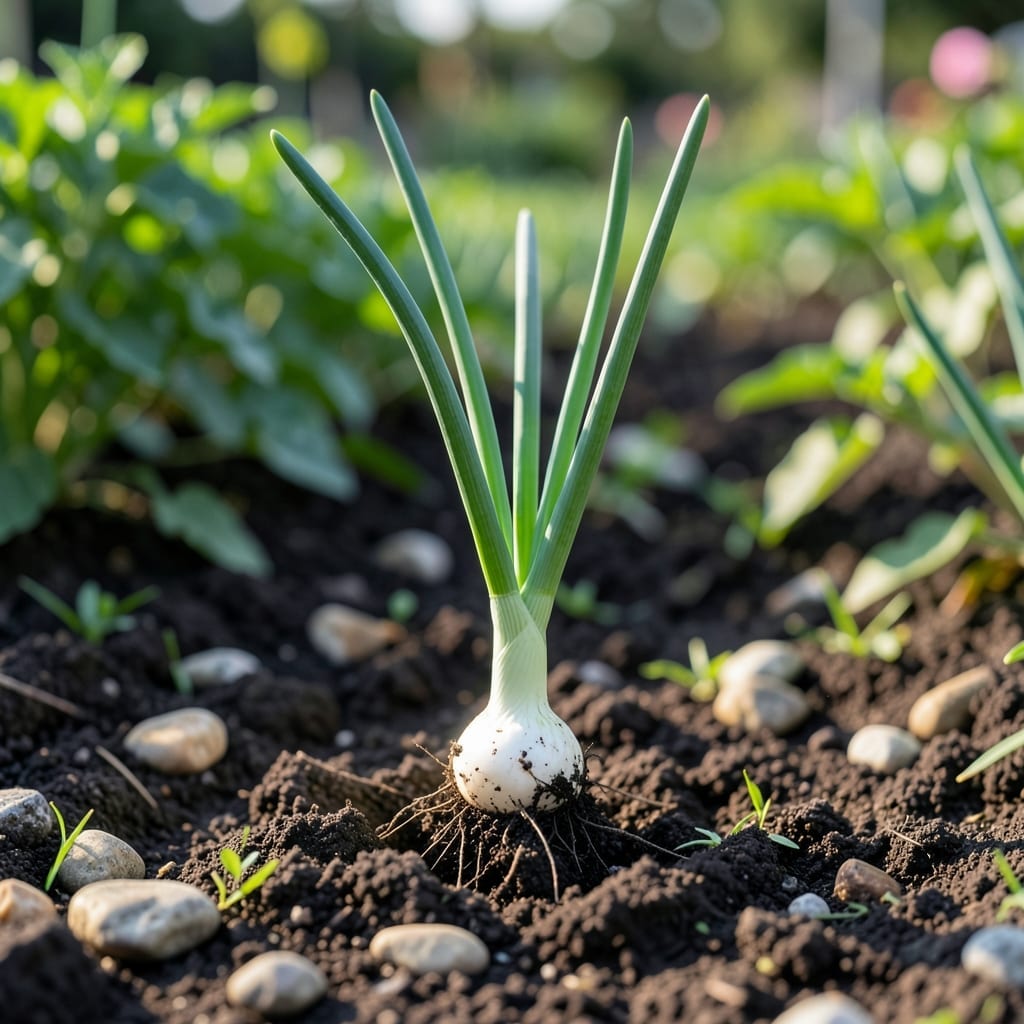
Imagine stepping into your garden and snipping fresh, mild-flavored Spring Onion to elevate your next dish. This isn’t just any allium – it’s the Spanish variety, known locally as cebollino, prized for its sweet, delicate taste.
Growing 🧅 Spring Onion at home is easier than you might think. With the right soil, sunlight, and a little patience, you can cultivate this culinary gem in your own backyard, even in Zone 8a.
I’ll guide you through the essentials: from planting tips to care instructions, so you can enjoy a bountiful harvest. Whether you’re a seasoned gardener or just starting out, this guide has you covered.
Discover how to grow Spring Onion Spanish and bring a touch of Spain to your kitchen. Let’s dig in and get started on this rewarding journey together.
Growing spring onion Spanish is rewarding and straightforward. I recommend starting with well-draining soil rich in organic matter. These alliums prefer loose, fertile ground to develop their tender stems and mild flavor.
For best results, choose a sunny location with at least 6 hours of direct sunlight daily. This ensures robust growth and a sweeter taste. Spanish spring onions thrive in USDA zones 8a and warmer.
I’ve found that mulching with straw helps retain moisture and suppress weeds. This is especially useful during dry spells or in hotter climates. Spanish spring onions grow quickly, often ready in 50-70 days.
For container gardening, use a pot at least 6 inches deep with drainage holes. Fill with a mix of potting soil and compost. Place in a sunny windowsill or balcony for best results.
Fertilizing lightly every 4-6 weeks with a balanced 10-10-10 feed boosts growth. Avoid over-fertilizing, as it can lead to excessive leaf growth and weaker stems.
Pests like onion flies can be a problem. I use row covers early in the season to protect young plants. Companion planting with carrots or lettuce can also deter pests naturally.
Harvest when tops are 6-8 inches tall and stems are pencil-thick. Use a sharp knife to cut just above the soil, or pull gently from the base. This encourages regrowth for multiple harvests.
With proper care, your spring onion Spanish will provide a steady supply of fresh, flavorful greens. I love how versatile they are in the garden and how they enhance any dish with their mild taste. 🌱
Spanish spring onions, or cebollino, offer a sweeter and milder taste than standard varieties. These alliums are prized for their tender green tops and small white bulbs, perfect for fresh eating or light cooking. Their adaptability makes them ideal for gardeners of all skill levels.
Among the most popular types is Calçot, a Spanish favorite known for its long white shafts and delicate flavor. Another standout is Figueira da Foz, which produces thicker stems and a slightly sharper taste. Each variety brings something unique to your garden and table.
🌱 Spanish Spring Onion Varieties
| Variety | Flavor Profile | Best Use |
|---|---|---|
| Calçot | Sweet, mild | Grilling, fresh |
| Figueira da Foz | Slightly sharp | Cooking, pickling |
| Blanco de Portugal | Very mild | Salads, garnishes |
I’ve found that Calçot thrives in well-drained soil and prefers full sun. It’s a bit more forgiving with watering, making it a great choice for beginners. For a more robust flavor, Figueira da Foz is an excellent pick, though it requires consistent moisture.
The Blanco de Portugal variety is my go-to for container gardening. Its compact size and mild taste make it perfect for small spaces and fresh dishes. All three varieties share the same 60-day maturity window, so you can enjoy a steady harvest.
When choosing seeds or starts, look for healthy green tops and firm stems. Avoid any plants with yellowing leaves or soft bulbs, as these are signs of poor health. Proper selection ensures a strong start for your crop.
Experimenting with these varieties can transform your garden and meals. Their unique flavors and easy care make them a rewarding addition to any home garden.
With the right variety, you’ll enjoy a bountiful harvest of flavorful and versatile spring onions all season long. 🌱