
Beautiful Plants For Your Interior
Beautiful Plants For Your Interior
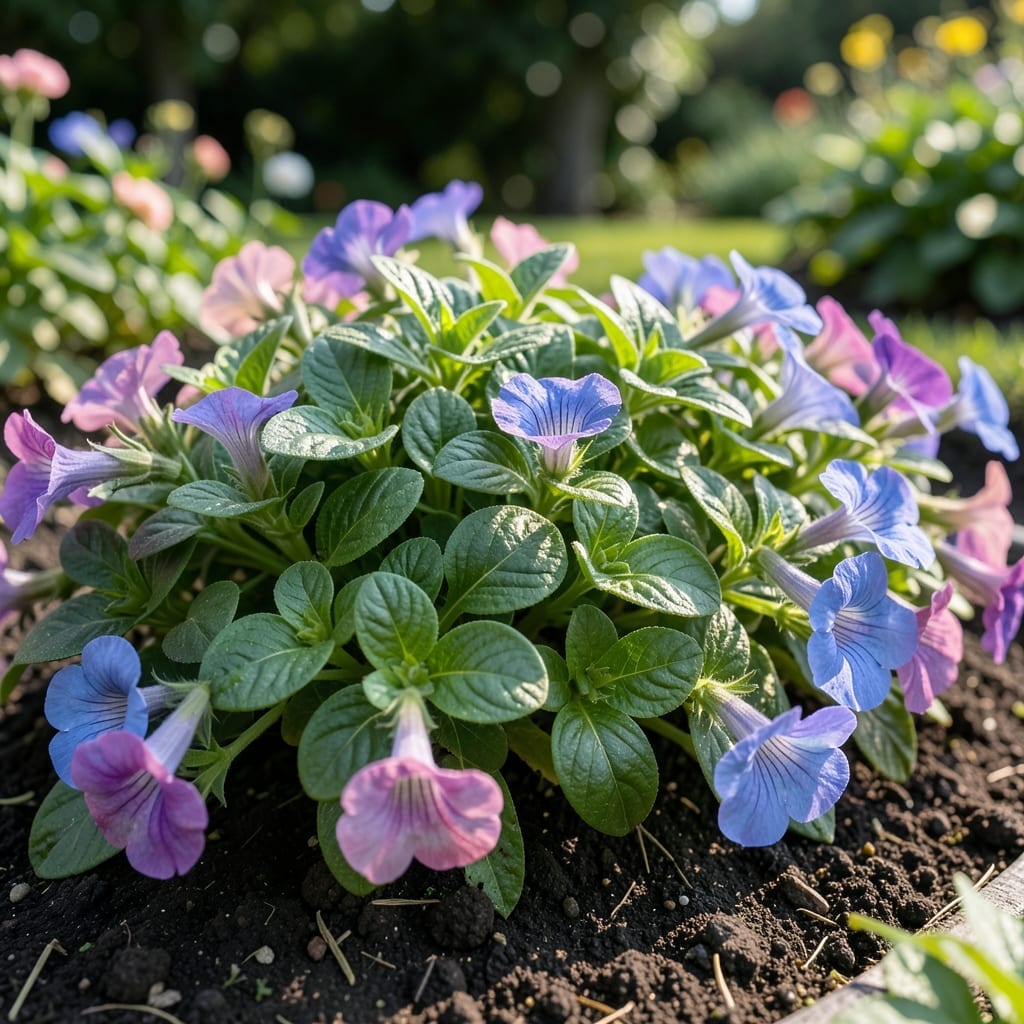
My first Wave petunias turned a boring corner of my yard into a vibrant cascade of color by July. These aren’t your grandma’s stiff petunias—they spread 3-4 feet wide, tumbling over edges with nonstop blooms.
They thrive in full sun, ask for little more than regular water, and keep pumping out flowers even when the heat kicks in. Perfect for beds, hanging baskets, or filling gaps where other plants give up.
📚 In This Guide
Here’s how I create cascades of color that thrive in the harshest summer sun.
Select a spot with full sun—at least 6-8 hours of direct sunlight daily. These plants are sun-worshippers and will produce the most blooms when they get plenty of light. I’ve found that morning sun with some afternoon shade works in extremely hot climates, but full exposure is ideal for maximum flowering.
Ensure the area has well-draining soil to prevent root rot. If planting in containers, make sure they have drainage holes. You’ll see the difference quickly—healthy plants in good soil will start spreading within 2-3 weeks.
Loosen the soil to a depth of 12 inches and mix in 2-3 inches of compost or organic matter. This improves drainage and provides the nutrients these heavy feeders need. I always add a slow-release fertilizer at planting time to give them a strong start.
If your soil is heavy clay, consider amending it with sand or perlite. Petunias hate soggy roots, so the better the drainage, the happier your plants will be. You’ll know the soil is ready when it crumbles easily in your hand.
Space plants 12-18 inches apart in the ground. If you’re using them in hanging baskets or containers, plant 1-2 per 12-inch basket. Crowding them leads to poor air circulation and disease, so give them room to spread.
Dig a hole slightly larger than the root ball, place the plant in, and backfill with soil. Press gently to remove air pockets, then water deeply. I always plant in the evening or on a cloudy day to reduce transplant shock.
Water deeply when the top inch of soil feels dry. These plants are thirsty, especially in containers, so check them daily in hot weather. Avoid wetting the leaves to prevent fungal issues—aim for the base of the plant.
Feed every 7-10 days with a balanced liquid fertilizer to keep blooms coming all season. You’ll notice a difference within a week—more flowers, brighter colors, and vigorous growth. I switch to a high-phosphorus fertilizer mid-season to boost flowering.
Pinch back the tips of new plants when they’re 6-8 inches long to encourage branching. This might feel counterintuitive, but it results in fuller, more compact plants. I do this with my first few waterings to get a head start.
Deadhead spent blooms regularly to keep the plant focusing energy on new flowers. If your petunias start looking leggy mid-season, give them a light trim—cut back by one-third and they’ll bounce back with fresh growth and blooms within 2-3 weeks.
Small adjustments in care will help your plants thrive with vibrant, cascading blooms all season.
The Sunlight Factor: Those 6-8 hours of direct sunlight in Step 1 are non-negotiable for Wave petunias to reach their full potential. Morning sun is ideal because it gently dries dew from leaves while still providing the energy they need. If your garden only gets afternoon sun, that works too—just keep an eye on soil moisture, as the heat can dry things out faster.
Soil Preparation Insight: When you loosen the soil to 12 inches deep in Step 2, take the extra time to break up any large clumps. The 2-3 inch layer of compost will integrate better into well-aerated soil, giving your petunias the loose, fertile environment they love. I’ve noticed plants in properly prepped soil establish roots faster and bounce back quicker after heavy rain.
Spacing Strategy: The 12-18 inches apart spacing in Step 3 might seem like a lot, but Wave petunias spread aggressively. If you’re tempted to crowd them for instant impact, don’t—you’ll end up with tangled stems and fewer blooms. Trust the process; they’ll fill in that space beautifully within a few weeks.
Keep plants healthy by ensuring good air circulation, avoiding overhead watering, and spacing them 12-18 inches apart. Remove dead or yellowing leaves promptly to reduce disease risk.
Plant after the last frost in spring when soil temperatures reach 60°F (15°C). These heat-loving annuals thrive in warm weather and can bloom until the first frost.
Consider disease-resistant varieties like Wave Purple or Easy Wave. Alternatively, try trailing verbena or million bells (Calibrachoa) for similar vibrant, cascading blooms.
Yellow leaves often indicate overwatering, poor drainage, or nutrient deficiencies. Check soil moisture, improve drainage, and fertilize with a balanced 10-10-10 product if needed.