
Beautiful Plants For Your Interior
Beautiful Plants For Your Interior
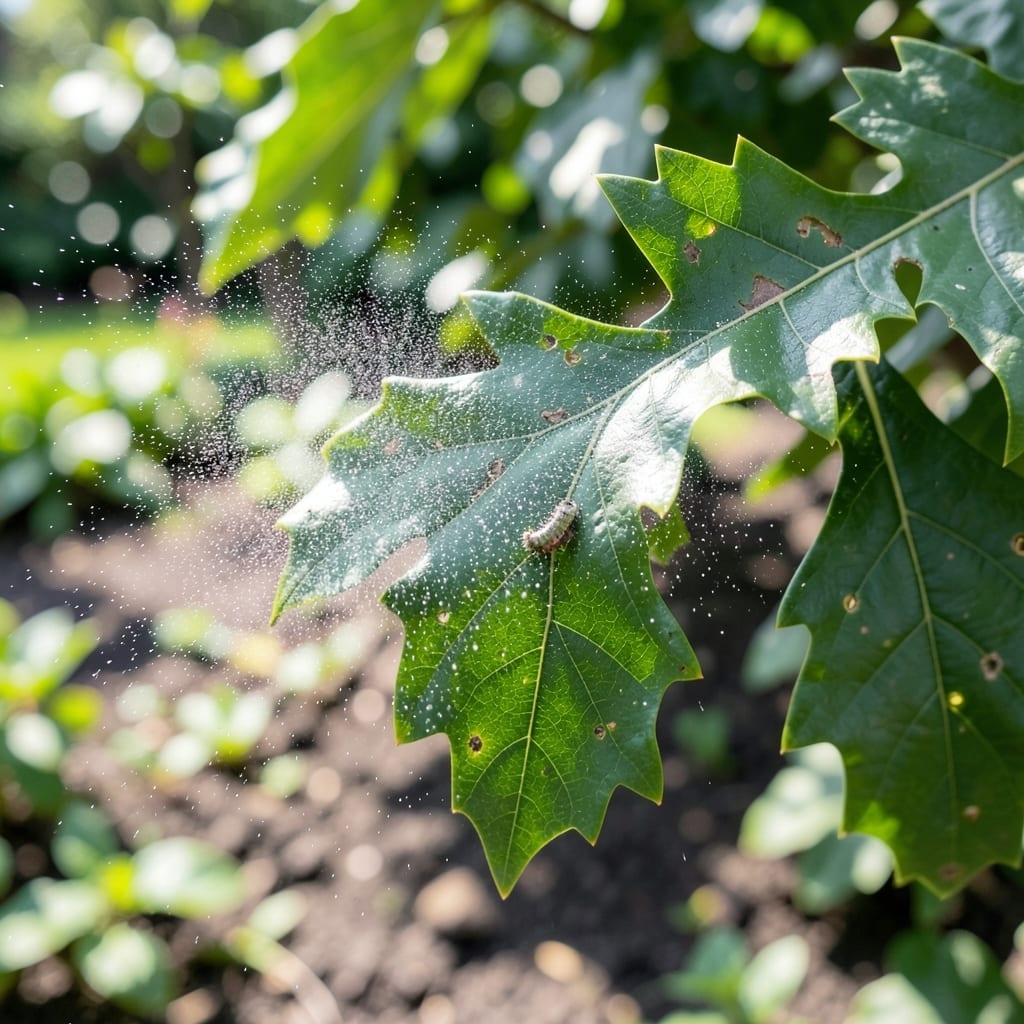
Watching caterpillars strip leaves from your trees is frustrating. I’ve seen entire branches defoliated in days, but there’s a better way than reaching for harsh chemicals.
The solution starts with understanding what you’re dealing with. Different caterpillars need different approaches, and a natural spray can stop the damage without harming beneficial insects.
You’ll protect your trees and the ecosystem around them. Within 24-48 hours, you’ll see fewer caterpillars and healthier foliage returning.
Works for fruit trees, ornamentals, and shade trees. Here’s how to make it happen.
Understanding why caterpillars target your trees is the first step in effective prevention. Trees are natural hosts for these pests due to several ecological and biological factors. Here’s a breakdown of the primary reasons:
Trees provide an ideal food source for caterpillars, particularly species like gypsy moths, tent caterpillars, and bagworms. Leaves are rich in nutrients, moisture, and carbohydrates, which caterpillars need to grow and develop. Deciduous trees (e.g., oak, maple, or elm) are especially vulnerable because their soft, tender foliage is easier for young larvae to consume.
Trees offer a safe haven for caterpillars to thrive. Dense canopies shield them from predators (like birds or wasps) and harsh weather conditions. Some species, such as the eastern tent caterpillar, even build silken nests in tree branches for added protection while they feed.
Many moth and butterfly species lay their eggs on tree bark or leaves to ensure their offspring have immediate access to food upon hatching. Trees with rough bark (e.g., pine or birch) provide perfect hiding spots for egg masses, increasing survival rates. Additionally, trees in stress (due to drought or poor soil) may emit chemical signals that attract egg-laying females.
Caterpillar infestations often peak in spring and early summer, when trees are producing new, nutrient-rich leaves. This timing aligns with the caterpillars’ life cycle, as they emerge from eggs just as food becomes plentiful. Warm temperatures and high humidity further accelerate their growth and feeding activity.
By recognizing these factors, you can better anticipate and address caterpillar outbreaks before they cause significant damage.
Dealing with caterpillars on your trees? Here’s how to tackle the issue effectively and prevent future infestations with practical, eco-friendly solutions.
For small infestations, handpicking is the simplest method. Wear gloves and inspect leaves, branches, and bark for caterpillars or egg clusters. Drop them into a bucket of soapy water to eliminate them. This works best for visible pests like tent caterpillars or gypsy moth larvae.
Prevention tip: 💡 Check trees weekly during warm months to catch infestations early.
Use organic sprays to target caterpillars without harming beneficial insects. Neem oil disrupts their life cycle, while Bacillus thuringiensis (Bt) is a bacterial spray that kills caterpillars upon ingestion. Spray in the early morning or late evening for best results, and reapply after rain.
Prevention tip: 💡 Rotate sprays to avoid resistance and apply to both sides of leaves where eggs may hide.
Encourage natural predators like birds, ladybugs, and parasitic wasps. Install birdhouses or feeders to attract insect-eating birds. Avoid broad-spectrum pesticides, which can kill these helpful allies.
Prevention tip: 💡 Plant native flowers or herbs (e.g., dill, fennel) to create a habitat for predatory insects.
For climbing caterpillars like cankerworms, apply sticky bands around the trunk. These traps prevent larvae from reaching the canopy. Replace bands every few weeks or when full of debris.
Prevention tip: 💡 Wrap bands in late fall to catch overwintering pests before they hatch.
Combine these methods for a multi-layered defense. Consistency is key—monitor your trees regularly and act at the first sign of trouble!
Apply neem oil or Bt every 7-10 days during active infestations. Reapply immediately after rain. Always coat both sides of leaves for full coverage.
Bt only targets caterpillars, but spray in the evening when pollinators are less active. Avoid blooming flowers to minimize any risk.
Spray in the early morning or late evening. Cooler temperatures slow evaporation, giving the spray more time to work effectively.
Check leaves after 24-48 hours for reduced caterpillar activity. Look for fewer holes in foliage and fewer visible pests.